Understanding Bitcoin Mining
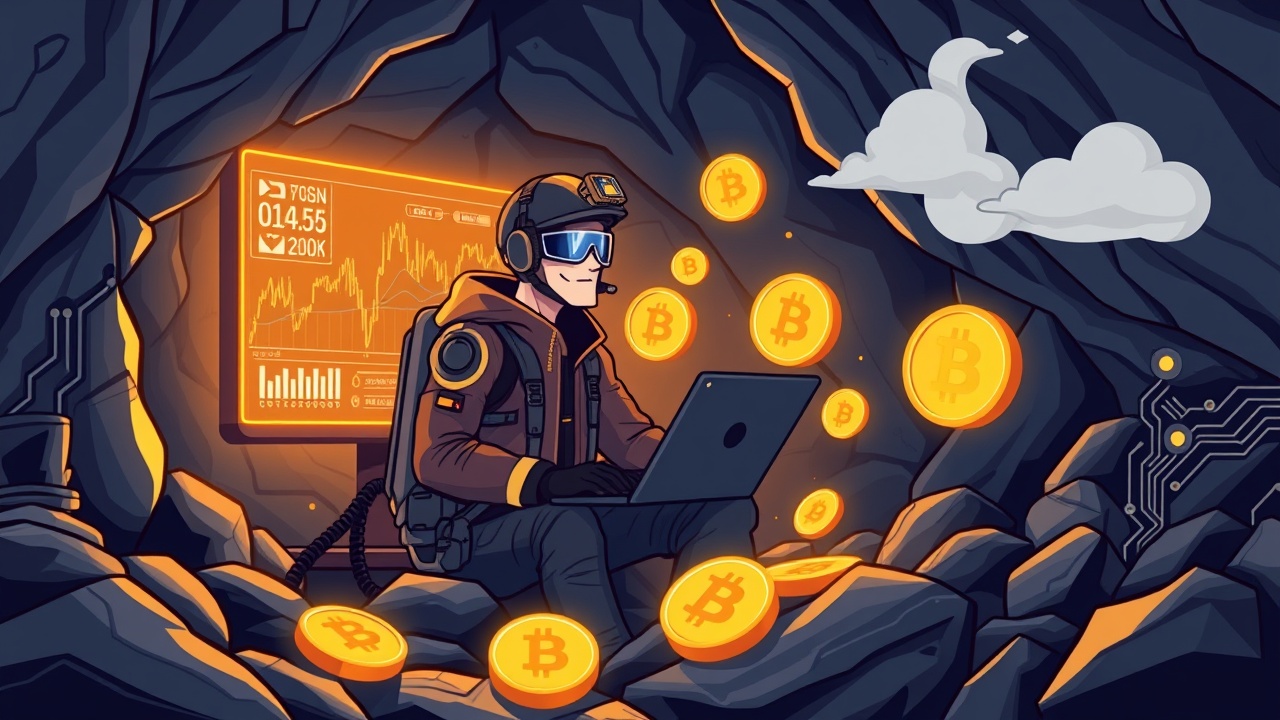
Bitcoin (BTC) mining remains a crucial process for the introduction of new coins while also playing a key role in validating transactions through the blockchain system. Originally, mining could be done with basic personal computers, but as the popularity of BTC has surged, it now demands substantial computational resources and considerable electricity consumption. This guide will break down the concept of Bitcoin mining, explain its operational mechanics, and highlight the essential tools needed to start mining in today’s environment.
At its core, Bitcoin mining is the procedure that generates new bitcoins and maintains the integrity of the network through the validation of transactions on a decentralized public ledger known as the blockchain. Miners, who can be individuals or organizations, utilize powerful computers to solve intricate cryptographic challenges. Successful miners who solve these puzzles are rewarded with newly minted bitcoins and transaction fees from the transactions they secure.
Transaction Processing and Block Formation
When users conduct transactions in Bitcoin, these are relayed through the network and stored temporarily in a pool of pending transactions. Miners will select a portion of these unconfirmed transactions and assemble them into a candidate block.
The Proof-of-Work Challenge
In order to integrate a new block into the blockchain, miners must conquer a tough cryptographic puzzle. They do this by repeatedly adjusting a variable, known as a nonce, until the computed hash satisfies specific criteria established by the network’s difficulty level. This relentless trial-and-error process requires immense computational capability and energy.
Rewards for Miners
The first miner to successfully solve the cryptographic puzzle shares their solution with the network. Upon validation, the new block is appended to the blockchain, and that miner is compensated with both a block reward in the form of new bitcoins and any applicable transaction fees from the block’s transactions.
Ensuring Network Security and Consensus
This proof-of-work mechanism makes it exceedingly challenging to alter previously confirmed blocks, which secures the blockchain against fraudulent activities such as double-spending. Essentially, miners function like auditors, preserving the integrity of the Bitcoin network. The network recalibrates the difficulty of these cryptographic tasks periodically to ensure that new blocks are added approximately every ten minutes.
The Modern Mining Landscape
Today’s Bitcoin mining is vastly different from its inception. Aspiring miners must invest in specialized hardware called Application-Specific Integrated Circuits (ASICs), which are explicitly designed for mining, rendering general-purpose GPUs and CPUs practically obsolete. Additionally, miners will require software that connects their hardware to the Bitcoin network, either directly or via mining pools.
To successfully mine Bitcoin, you also need a secure wallet to receive your rewards, a reliable internet connection, and an effective cooling system to deal with the heat generated by mining operations. Given these requirements, home mining setups can begin with expenditures in the thousands of dollars.
Mining Strategies: Solo vs. Pools
Miners have two main strategies: solo mining, where individuals attempt to mine independently for complete rewards, or joining mining pools, where groups combine resources to increase their chances of earning rewards, which they then divide proportionally.
For those interested in a less hands-on mining methodology, cloud mining provides options where participants can lease computing power from remote data centers. However, these services can present their own challenges, including varying returns and the risk of scams.
Evaluating Profitability and Challenges
Profitability in Bitcoin mining hinges on several factors including electricity costs, hardware efficiency, and the current price of Bitcoins. New entrants to mining face stiff competition and increasing complexities, including the initial investment in ASICs and the need for ongoing maintenance.
Environmental concerns are also noteworthy as mining consumes significant electricity, raising questions about sustainability. Furthermore, local regulations, electricity prices, and technological advancements can all influence the feasibility and profitability of Bitcoin mining over time.
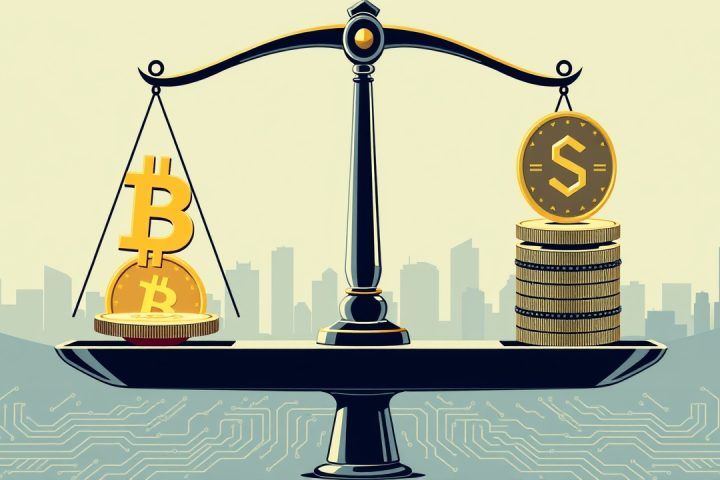
In summary, Bitcoin mining continues to be fundamental to the Bitcoin ecosystem, acting as a validator for transactions and creating new currency. However, it has morphed from an accessible pursuit into a demanding endeavor that necessitates substantial hardware investments and meticulous financial planning. For newcomers to the cryptocurrency realm, evaluating the option of mining versus purchasing Bitcoin outright may be a more viable path.