Ripple’s Legal Battle with the SEC
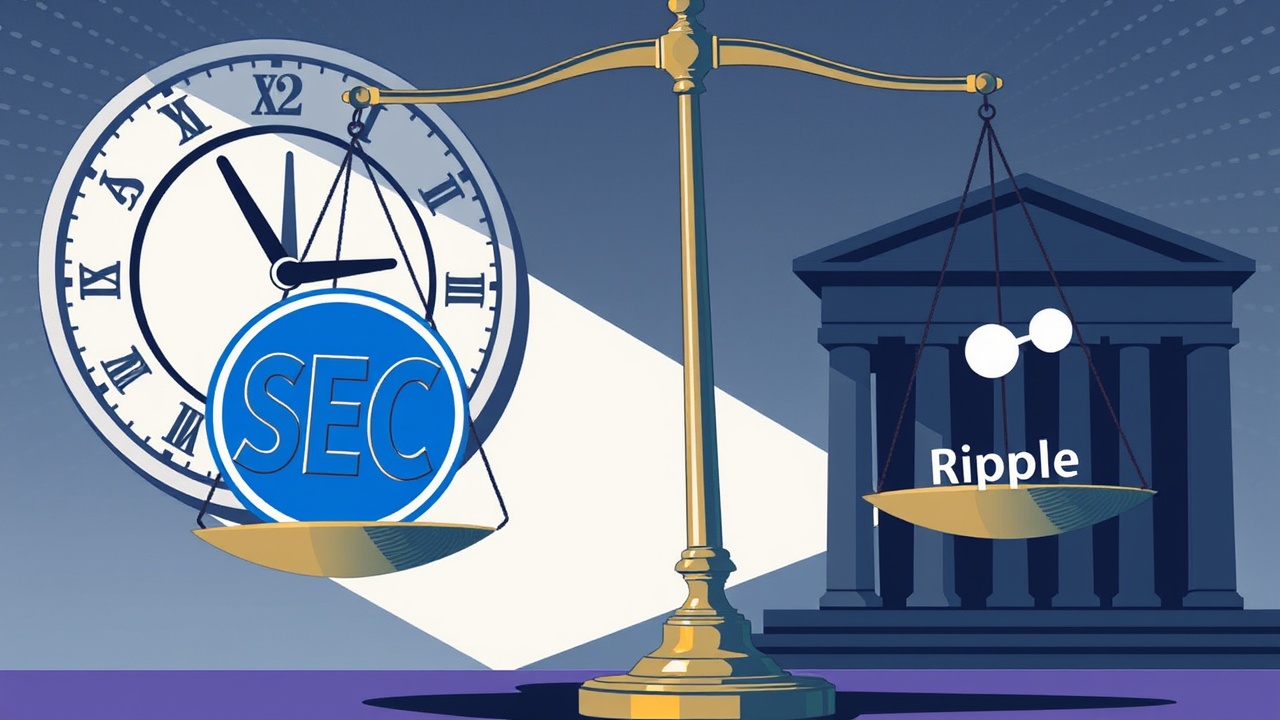
Five years have passed since the U.S. Securities and Exchange Commission (SEC) initiated its lawsuit against Ripple, a case that escalated to symbolize a significant regulatory struggle within the cryptocurrency realm. According to market analyst Jake Claver, the challenges presented by the lawsuit, along with ongoing tumult in the industry, did not hinder growth, ultimately leading to a positive outcome. He remarked on social media,
“Amidst all the turmoil and legal challenges, the ecosystem continued to thrive, proving that resilience pays off in the long run.”
The Lawsuit’s Impact
The lawsuit, which went public on December 22, 2020, came as a shock to the crypto community. This legal action was filed during the last moments of SEC Chairman Jay Clayton‘s administration. The immediate aftermath was violent; Ripple’s digital asset, XRP, saw its value plummet by over 60% in a matter of days, risking its position within the top ten cryptocurrencies by market capitalization. In what has been referred to as a chaotic moment for the industry, prominent exchanges like Coinbase and Bitstamp rapidly severed ties with the troubled token.
During this period, a sense of tribalism re-emerged in the crypto space. While advocates of Bitcoin and Ethereum felt insulated from regulatory scrutiny, many altcoin investors worried their assets would be the next to face similar attacks. Ripple, however, opted against a settlement and instead enlisted a formidable legal team. The company contended that it was not given adequate notice that XRP should be classified as a security.
Community Support and Legal Developments
In 2021, the XRP community sprang into action, submitting amicus briefs and gathering evidence to highlight inconsistencies in the SEC’s stance. During the discovery phase, Ripple requested internal emails from the SEC related to a speech made by former Director William Hinman in 2018, where he stated that Ethereum was not a security. The SEC resisted this request vigorously.
As 2022 unfolded, the court rulings began to shift in Ripple’s favor, culminating in a significant victory when judges ordered the SEC to release the Hinman documents. With these developments, Ripple took a more aggressive approach, rallying its community further.
Landmark Judgment and Aftermath
The pivotal moment arrived in June 2023 when Judge Analisa Torres delivered a landmark summary judgment. She determined that XRP sold on public platforms did not constitute investment contracts, while the tokens sold to institutional investors were deemed securities. Following this decision, discussions shifted towards penalties. The SEC sought $2 billion in fines, while Ripple argued for a far more modest $10 million. Eventually, Judge Torres imposed a $125 million civil penalty on Ripple.
In October 2024, the SEC filed a notice of appeal regarding the verdict, but a significant shift occurred in 2025 when new leadership at the agency fostered a pro-crypto stance, resulting in the SEC withdrawing its appeal. In response, Ripple also rescinded its cross-appeal.
Conclusion and Future Outlook
Though Ripple had technically won the battle concerning the legal classification of XRP, it still faced the reality of a hefty financial penalty. Ultimately, the company managed to survive a fierce regulatory challenge that would have likely driven many firms to bankruptcy, parting with a substantial sum. In return, Ripple gained much-needed regulatory clarity in the U.S.
With the conclusion of this protracted legal saga, 2025 saw a flourishing interest in XRP ETFs, which began to emerge towards the end of the year, paving the way for renewed confidence and investment in Ripple’s cryptocurrency.