Introduction
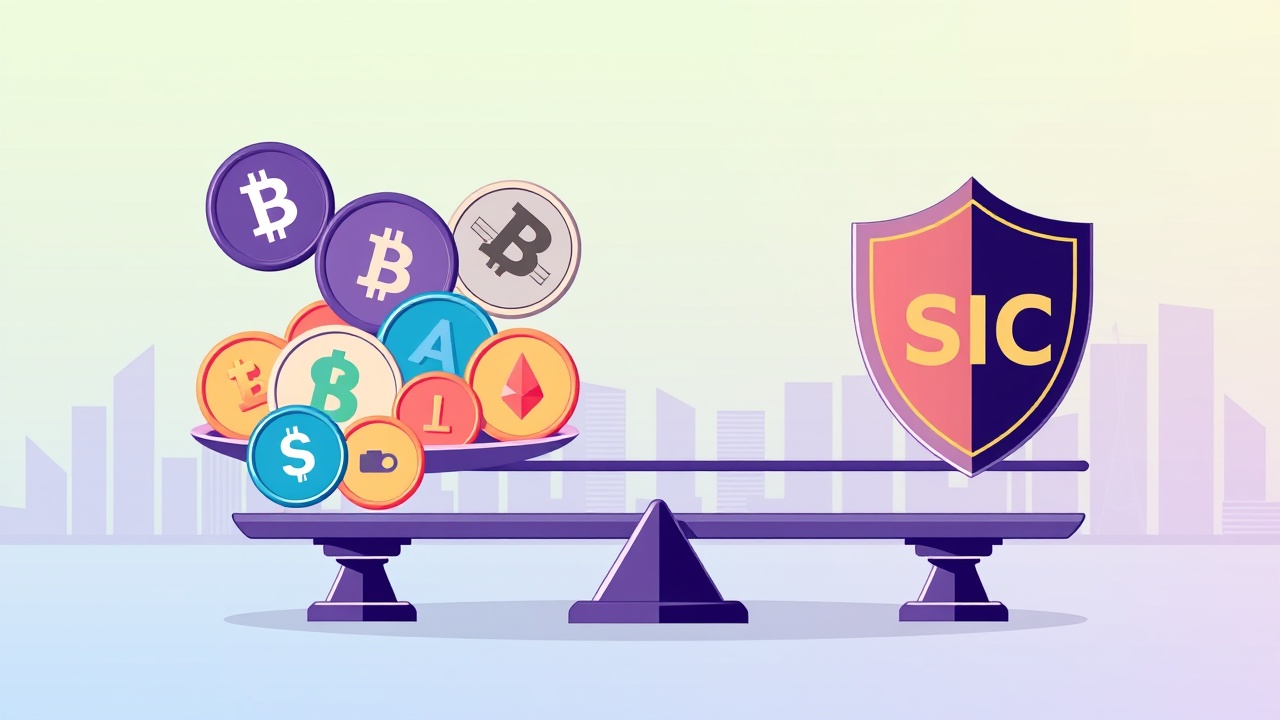
In a significant move to bolster the digital asset landscape, Australia’s securities regulator, the Australian Securities and Investments Commission (ASIC), has introduced new licensing and custody exemptions specifically for certain stablecoins and wrapped tokens. This initiative, aimed at encouraging innovation and development within Australia’s digital payment and asset sectors, provides critical regulatory support to businesses engaged in the crypto space.
New Licensing and Custody Exemptions
On Thursday, ASIC outlined a new phase of relief that permits intermediaries involved in the secondary distribution of eligible stablecoins and wrapped tokens to operate without obtaining separate Australian Financial Services (AFS) licenses, provided they are already holders of other relevant licenses such as market or clearing facility licenses. Additionally, ASIC announced that these providers can maintain digital assets classified as financial products in omnibus accounts. This allowance comes with the stipulation that they adhere to robust record-keeping practices and reconciliation measures.
This recent decision builds upon ASIC’s earlier September rulings which enabled stablecoin distributors to forgo individual licensing requirements when dealing with approved stablecoins issued by AFS-licensed issuers.
“This relief was anticipated following the issuance of ASIC’s updated digital asset guidance in October, which comprehensively addressed the application of existing laws to digital assets and established a no-action stance until June 30, 2026, for businesses pursuing licenses,” the ASIC stated.
Their guidance clarified that various products, including stablecoins and tokenized securities, are categorized as financial products requiring AFS licenses.
Industry Feedback and Recommendations
Coinciding with the relief announcement, ASIC had previously solicited industry feedback on the proposed measures, concluding the consultation period in mid-November. The formulation of this relief was influenced by industry recommendations advocating for the use of omnibus account structures for the custody of digital assets due to their efficiency and cost-effectiveness. However, some industry players expressed the desire for more explicit record-keeping standards, which ASIC opted to keep broad rather than detailed.
Requirements for Eligible Stablecoins and Wrapped Tokens
Eligible stablecoins are mandated to hold reserves that are at least equivalent to the total amount of underlying currencies, providing unconditional rights of redemption to holders. Wrapped tokens are similarly required to maintain capital reserves corresponding to the underlying digital assets they represent. Stablecoin issuers will be obligated to release quarterly reserve statements after four months and annual audited reports after 16 months, affirming that their reserves are comprised of cash or cash equivalents sufficient to cover all tokens in circulation.
Industry Perspectives
Commenting on the recent developments, Joni Pirovich, CEO and founder of The Crystal aOS, noted the welcome nature of ASIC’s relief. However, she cautioned that the industry historically views tokens—which include stablecoins and wrapped tokens—not as financial products in isolation, but rather as components of larger arrangements which may qualify as financial products. She emphasized the importance of careful wording when discussing token usage in off-exchange contexts to avoid giving unintended financial advice.
Future Outlook
ASIC’s framework may evolve further as more stablecoin and wrapped token issuers obtain AFS licenses, hinting at promising growth for Australia’s digital asset industry. Importantly, these regulatory measures will automatically expire on January 1, 2029, allowing the sector ample time to adapt to the forthcoming comprehensive regulatory framework being developed by the Treasury.