Bank of America CEO Warns of Stablecoin Impact
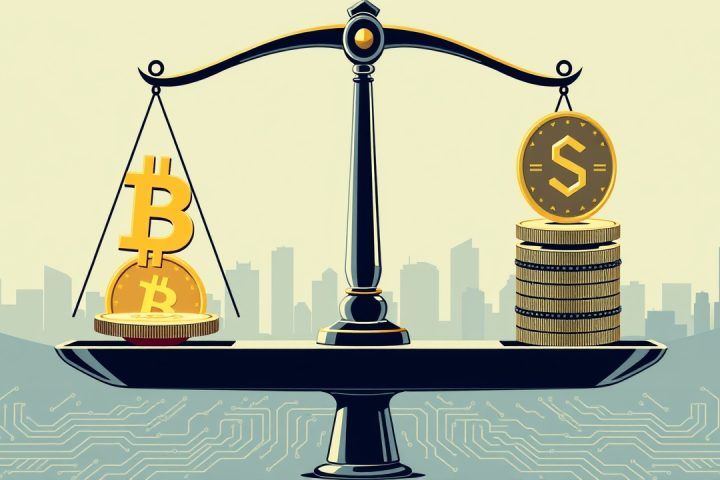
Bank of America’s CEO Brian Moynihan has issued a warning that interest-bearing stablecoins could lead to a significant $6 trillion drain from bank deposits, potentially harming small and medium enterprises (SMEs). His remarks come during a tumultuous period of discussions in the Senate Banking Committee regarding proposed changes to a stalled cryptocurrency bill.
Proposed Legislation on Stablecoins
The latest draft, unveiled this week, seeks to prevent stablecoins from accumulating interest on unutilized funds, akin to traditional bank accounts. The proposed legislation stipulates that companies would not be permitted to offer interest on stablecoin deposits, except in cases linked to specified activities, such as transactions or loyalty program memberships.
Moynihan’s Concerns
In a recent earnings announcement, Moynihan likened stablecoins to “money market mutual funds,” which typically invest deposited funds in secure, short-term debt instruments like U.S. Treasury bonds. He expressed concern that such arrangements could diminish the lending capabilities of traditional banks.
Moynihan elaborated that this shift towards stablecoins may place a higher financial burden on smaller businesses, which rely more heavily on bank loans compared to larger enterprises that tend to use capital markets for funding, for instance, via initial public offerings (IPOs). He warned that the influx of capital into stablecoins could lead to increased borrowing costs, indicating that banks might struggle to provide loans or could become reliant on wholesale funding—financing not sourced from customer deposits, such as borrowing from a central bank.
Opposition from Coinbase CEO
Contrastingly, Brian Armstrong, the CEO of Coinbase, has voiced strong opposition to the bank’s stance, sharing concerns over the proposed bill’s potential implications. He criticized the Senate for drafting amendments that could thwart rewards associated with stablecoins, asserting that such moves would unfairly empower banks against their competitors.
Armstrong has also raised alarms about various components of the bill, including limitations on tokenized equities and measures that might heighten governmental monitoring of cryptocurrency transactions.
Alternative Perspectives on Regulation
As a counterpoint to the traditional banking view, Radi El Haj, CEO of payments firm RS2, suggested that regulatory efforts should prioritize risk management and consumer protection rather than stifling competition. He predicts that banks will need to evolve their offerings in response to the challenge posed by stablecoins, noting that customer migration to these newer financial instruments likely reflects a rational choice for improved value and flexibility in financial services.