Binance Issues Warning on Phishing Scams
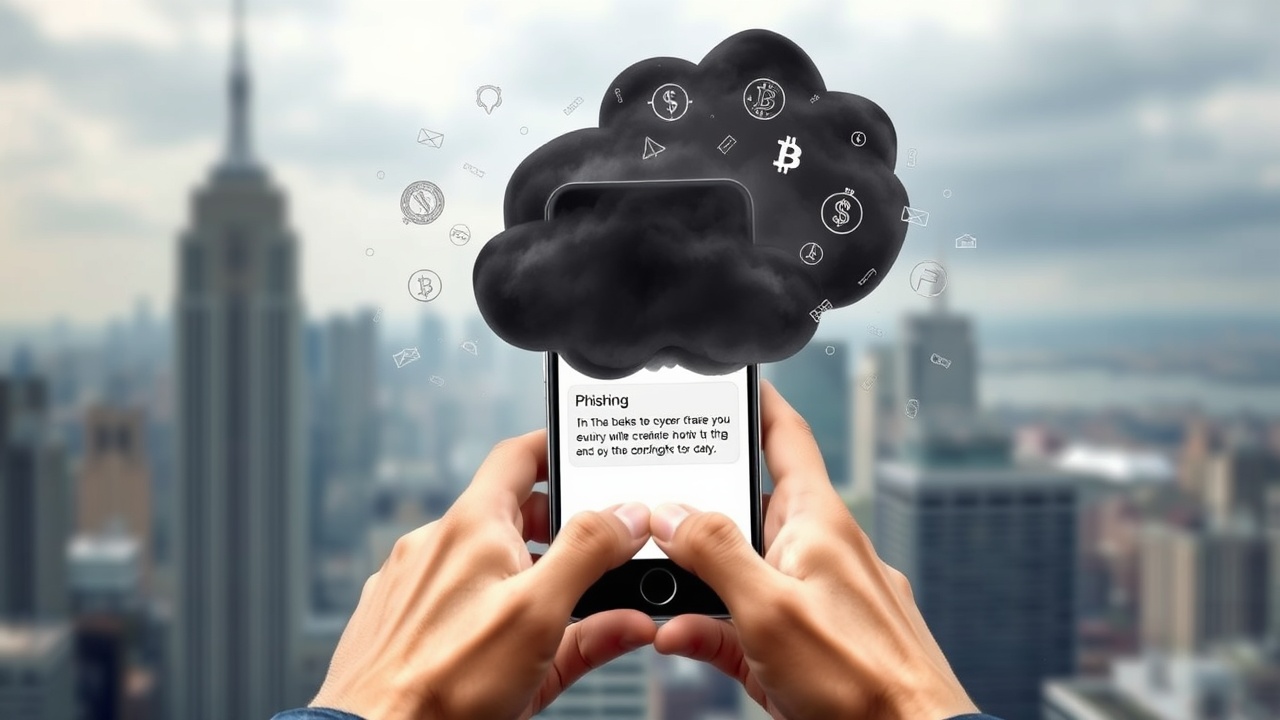
On September 3, Binance, one of the largest cryptocurrency exchanges in the world, issued a cautionary message to its users regarding a surge in phishing scams. These scams utilize deceptive text messages that masquerade as legitimate security alerts, aiming to trick recipients into revealing sensitive account information.
Nature of the Scams
The fraudulent communications often claim that there have been changes to account settings or unusual login attempts, prompting urgent calls to action under the pretense that users must quickly “verify” or “secure” their accounts. Notably, these messages often contain shortened links that lead victims to fraudulent sites designed to imitate Binance’s official login or account verification pages, where scammers can harvest login credentials and other sensitive data.
Binance’s Response
While Binance did not disclose the number of users impacted by these scams or any specific financial losses linked to this recent phishing wave, they did emphasize that these messages can closely mimic genuine notifications from the exchange. The exchange noted,
“We’ve recently observed an increase in phishing attacks targeting crypto users,”
signifying an ongoing issue in the digital currency realm that has prompted the company to take action.
This warning follows a history of similar fraudulent activities. For instance, in 2025, the Australian Federal Police reported incidents where scammers sent phishing messages appearing to originate from actual Binance conversations. Those messages misled customers into believing their accounts had been compromised.
Security Measures and Recommendations
Binance has reiterated that it never requests users to click links in text messages for account verification. Users are instructed to access their accounts directly via the official Binance app or website instead. In addition, the exchange has initiated a service called Binance Verify, which allows users to confirm the legitimacy of website links, email addresses, phone numbers, or social media contacts purportedly associated with Binance, before they share any personal information.
In light of this recent uptick in scams, Binance encouraged users to enhance their account security by employing several protective measures. Among these measures is the withdrawal address whitelist, which restricts account withdrawals to verified wallet addresses pre-approved by the account holder. This serves as an extra layer of security in case credentials are compromised.
Binance also recommends that users set up an anti-phishing code. This security feature allows customers to create a personalized code that will appear in all legitimate emails from Binance, helping them identify potential phishing attempts. Importantly, they highlighted that this protection applies to email communications rather than traditional SMS messages.
Advanced Fraud Prevention
Furthermore, the company employs sophisticated automated systems equipped with over 100 artificial intelligence models designed to detect suspicious activity, notably during logins and withdrawal processes. Effective fraud prevention measures reportedly led to an eightfold decrease in successful phishing attempts, according to Binance’s own assessments.
However, Binance acknowledges that no security measure can fully protect users if they voluntarily disclose sensitive information after engaging with a deceitful communication. Users remain the first line of defense and should remain vigilant about any unexpected communications by verifying them independently.
Impact of Phishing Scams
The recent warning serves as a crucial reminder, especially in light of prior incidents where individuals have lost substantial amounts due to falling for these scams. In a notable case reported by Hong Kong police, victims collectively lost approximately $446,000 in 2023 due to similar fraudulent tactics.
Regulatory Actions
To counter these threats, regulatory bodies are also taking action. In July 2026, the Hong Kong Securities and Futures Commission mandated that licensed crypto platforms move away from SMS or email for authentication, requiring more resilient security practices to mitigate phishing risks.
Conclusion
As this current campaign evolves, Binance continues to advise users on best practices for securing their accounts and urges anyone who might have interacted with suspicious links to reach out for assistance through the official Binance application or website. This proactive stance is vital in an environment where scammers are increasingly targeting unsuspecting cryptocurrency users.