Concerns Over Address Poisoning Scams
Changpeng Zhao, the founder of Binance, has recently voiced his concerns regarding the growing threat posed by address poisoning scams after a victim lost a staggering $50 million within a mere hour. This alarming incident has reignited discussions about the need for more robust security measures in the cryptocurrency space. Zhao emphasized the importance of real-time blacklist queries as a potential solution to combat these types of attacks.
Understanding Address Poisoning
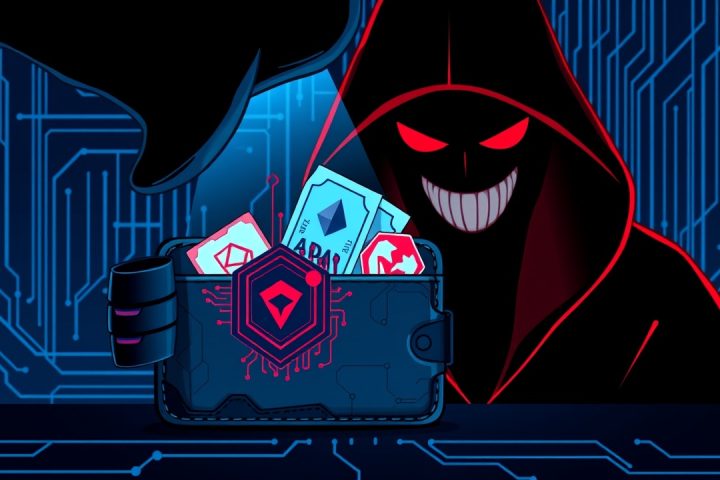
Address poisoning occurs when malicious actors create misleadingly similar wallet addresses that resemble a legitimate recipient’s address in a user’s transaction history. When victims unwittingly mimic these fraudulent addresses, they unintentionally send their cryptocurrencies to the attackers instead of the intended recipient.
Proposed Solutions and Industry Collaboration
To mitigate this issue, Zhao advocates for the adoption of a universal approach within the industry that would involve blacklisting those addresses known to be associated with fraudulent activities. He highlighted that Binance is proactive in warning its users during transactions, which could serve as a model for a broader consensus across various blockchain networks. This kind of collaborative effort could significantly enhance the effectiveness of warning systems and effectively curtail address poisoning schemes.
The proposed blacklist would require cooperation among security alliances to manage spam transactions and uphold updated lists of blacklisted addresses effectively. If successfully implemented, this initiative could save users from falling victim to such scams by ensuring they double-check wallet addresses before finalizing transactions.
Challenges and User Experience Improvements
Notably, the difficulty arises from the long alphanumeric string that constitutes wallet addresses, which can often clash with human tendencies to act hastily without thorough verification. In light of this, some users are calling for improved wallet designs that reduce the potential for errors. Additionally, suggestions have emerged advocating for the use of Ethereum Name Service (ENS) names, allowing users to send payments without needing to handle the lengthy strings of characters directly.
The Need for a United Front
Given the increasing sophistication of scams in the crypto sector, as well as advancements in artificial intelligence that could enhance the capabilities of these cybercriminals, a united front among developers and industry stakeholders is essential to tackle these threats proactively and minimize financial losses in the future.