Bitcoin vs. Litecoin: A Comparative Overview
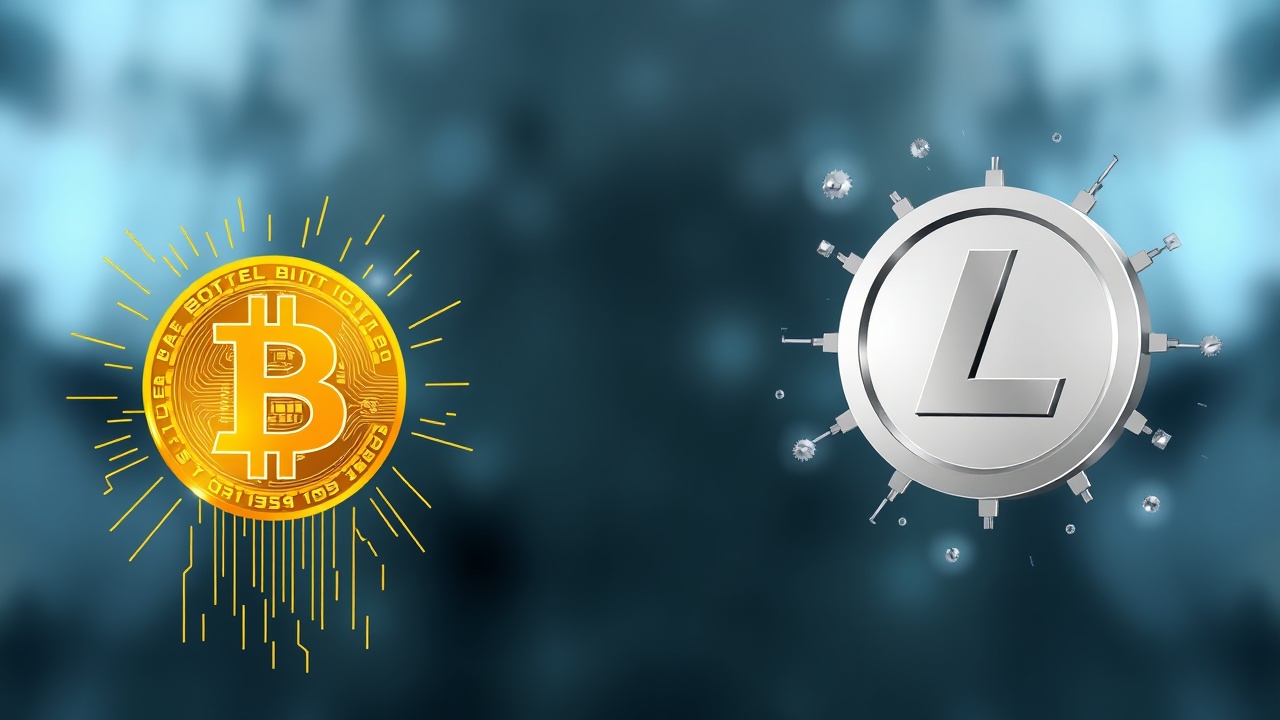
Bitcoin and Litecoin stand out as two emblematic figures in the cryptocurrency landscape, each offering distinct characteristics that cater to different uses within the digital payment ecosystem. As the first cryptocurrency introduced back in 2009 by the anonymous creator Satoshi Nakamoto, Bitcoin has cemented its status as the premier digital asset—often referred to as “digital gold.” It serves primarily as a store of value, showcasing scarcity and security while facilitating transactions without the need for traditional banking institutions.
In contrast, Litecoin was launched two years later in 2011 by Charlie Lee, embracing a faster and more efficient paradigm for cryptocurrency transactions, often dubbed “digital silver.” This designation reflects its focus on everyday payments, as Litecoin was designed to provide quicker transaction confirmations and lower fees compared to its predecessor.
Transactional Efficiency
When it comes to transactional efficiency, Bitcoin generally takes about 10 minutes to confirm a transaction. In contrast, Litecoin can process transactions in roughly 2.5 minutes, significantly enhancing its appeal for users looking for speed in processing payments. This marked difference in transaction speeds is a critical factor for individuals and businesses that prioritize rapid processing.
Financial Implications
The financial implications of their structural differences are also noteworthy; while Bitcoin’s transaction fees tend to escalate, particularly during peak network traffic, Litecoin remains more cost-effective, often maintaining fees under one dollar—even amid heightened demand for its services. This feature can make Litecoin an attractive option for microtransactions or everyday use.
Market Dominance and Investment Perspective
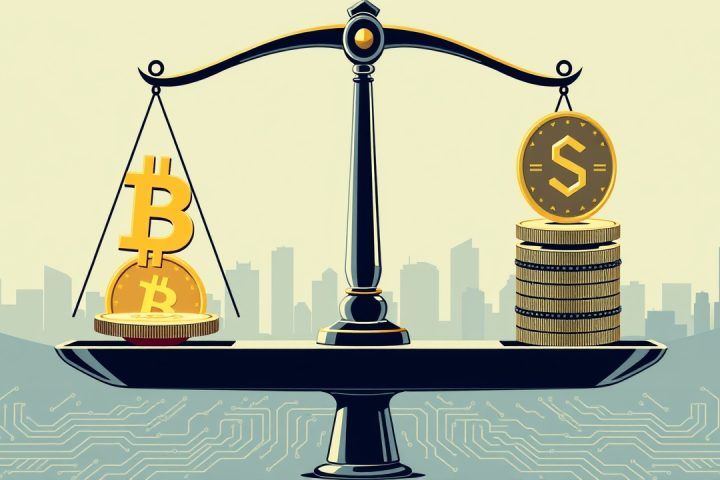
Despite its advantages, Litecoin does not match Bitcoin’s level of market dominance or recognition. Most investors still consider Bitcoin the more stable long-term investment, viewing it as a safer bet given its extensive market capitalization and historical price appreciation. Some analysts contend that while Litecoin may experience steady but modest growth, it is not expected to rival Bitcoin’s explosive trajectory in terms of value or adoption.
Conclusion
In summary, while both Bitcoin and Litecoin share foundational crypto-technologies and principles, their differing transaction speeds, mining protocols, and fee structures clearly delineate their roles within the cryptocurrency sphere. For those seeking a store of value, Bitcoin remains the preferred choice, whereas Litecoin is favored for its efficiency in everyday transactions.