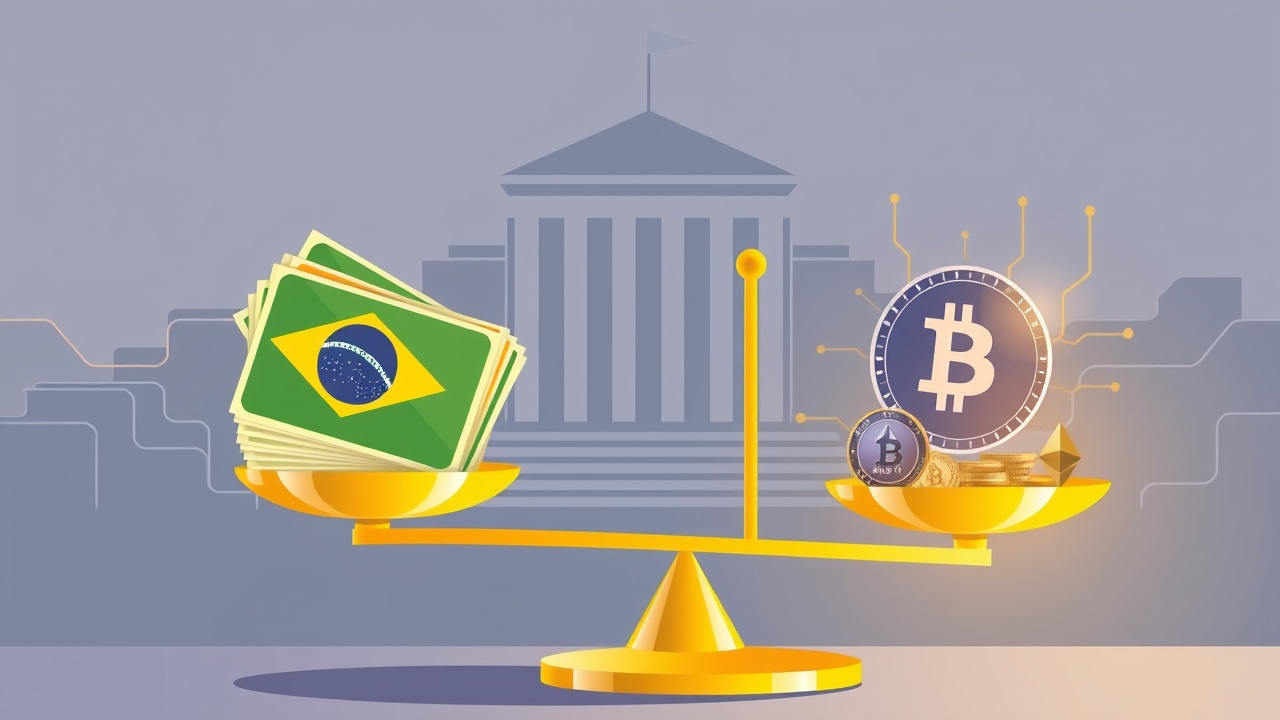
New Regulatory Framework for Cryptocurrency Exchanges in Brazil
Beginning January 1, 2027, Brazil’s central bank will mandate that licensed cryptocurrency exchanges provide daily confirmations of their asset holdings. This new regulatory framework, announced on March 3, aims to enhance the security and operational integrity of digital asset platforms by ensuring they maintain sufficient reserves to offset risks related to cyberattacks, liquidity crises, and operational mishaps. These measures are designed to align cryptocurrency exchanges with standards typically seen in commercial banking, thereby bolstering their resilience against potential threats to users’ funds.
Daily Attestations and Asset Separation
The new requirements will see exchanges compelled to deliver daily attestations that not only confirm they possess adequate fiat and cryptocurrency reserves but also demonstrate compliance with internal risk management models. This initiative arises from lessons learned amidst various high-profile collapses of offshore exchanges, where inadequate transparency surrounding asset reserves contributed to insolvency issues and delayed withdrawal requests from clients.
A fundamental aspect of the new regime is the rigorous separation of client assets from those belonging to the exchanges themselves. Platforms will be prohibited from merging their operational funds with customer deposits, thereby minimizing the risk of rehypothecation or using user balances for risky financial activities. This separation is intended to provide clarity in legal standings concerning user assets, particularly in scenarios involving bankruptcy or liquidation. Essentially, this could pivot many Brazilian exchanges toward a custodial model, akin to fiduciaries responsible for safeguarding clients’ investments.
Accounting Practices and Data Protection
In terms of accounting practices, exchanges will now be required to record digital assets using a specialized accounting guideline that provides a uniform method for valuing and classifying cryptocurrencies. This change aims to eliminate ambiguity in financial reporting and align Brazilian practices with global trends, particularly those influenced by frameworks such as the Markets in Crypto-Assets Regulation (MiCA) in Europe, which emphasizes cohesive accounting strategies for crypto instruments held by regulated entities. By implementing clearer norms on how assets are recorded, authorities intend to bridge information gaps among exchanges, investors, and auditors.
In addition to addressing balance-sheet transparency, the regulations will also impose stringent data protection and confidentiality standards that echo those required of commercial banks. Crypto exchanges must bolster their controls concerning customer data, internal communications, and transaction records to mitigate risks associated with data breaches or unauthorized access. This necessity has become increasingly relevant, particularly in an environment where integrating on-chain and off-chain identifiers can yield detailed insights into user behavior, making such data vulnerable to criminal activities.
Cross-Border Transaction Oversight
Furthermore, Brazilian regulators will tighten oversight on cross-border transactions involving cryptocurrencies. Exchanges will face intensified scrutiny regarding the origins and destinations of funds flowing in or out of Brazil, alongside the pathways utilized to facilitate these transfers. By employing blockchain analytics and enhancing reporting obligations, the central bank aims to enhance transaction traceability, thus curtailing the potential for illicit activities such as money laundering or tax evasion. This regulatory trend reflects similar measures being adopted globally, such as those seen in Turkey and Japan, where the focus is increasingly placed on regulating crypto intermediaries rather than just users.
Impact on the Crypto Market
The impending changes are anticipated to impact operational expenses for crypto exchanges, particularly smaller platforms that may not possess advanced compliance infrastructures. These entities might find themselves needing to invest in personnel and technology to meet the new requirements, while larger exchanges with established operations may adapt more readily and even leverage compliance as a competitive edge. Such developments may expedite consolidation within Brazil’s crypto market, as less resourceful players may either exit the industry or merge with stronger counterparts.
Market observers are keen to gauge the effects of this regulatory framework against ongoing fluctuations in crypto prices and liquidity. With Bitcoin and Ethereum trading lower at the time of the announcement, market dynamics remain uncertain. The establishment of banking-style regulations could contribute to changes in regulatory risk perceptions among investors, potentially impacting trading behavior, especially among retail traders. As Brazil moves toward deeper integration of crypto intermediaries within its financial framework, the adaptation of exchanges to these new regulations could ultimately define the nature of the country’s crypto landscape and its contribution to the global digital finance system over the forthcoming years.