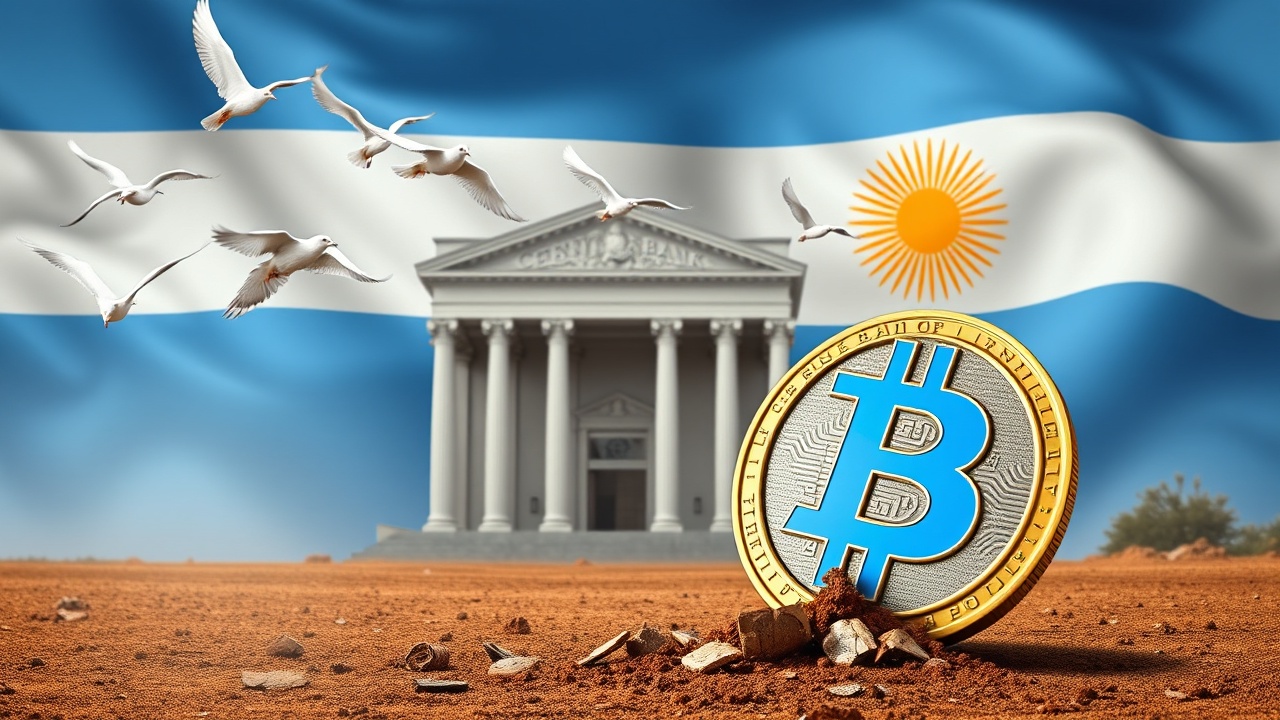
The Central Bank of Argentina’s Stance on Cryptocurrencies
The Central Bank of Argentina (BCRA) has made it clear that the introduction of cryptocurrencies into the country’s banking and payment systems will not occur in the immediate future, extending this ban for the next two years. This decision does, however, leave room for potential changes should President Javier Milei secure a second term in office, which could involve the reevaluation of the current restrictions preventing banks from managing digital currencies.
Recent Statements from BCRA Officials
During a recent conference held by the Argentine Payment Chamber, Juan Curutchet, the Superintendent overseeing Financial and Foreign Exchange Institutions at BCRA, reiterated the institution’s stance, confirming that no alterations regarding cryptocurrencies are expected on the horizon.
“You didn’t ask me about the dollar or crypto, which is fine, because nothing will be happening this year. Yet, I do consider these issues could be revisited if there is a second term for Milei,”
Curutchet noted before concluding his remarks at the event.
Contradicting Rumors and Future Prospects
This announcement stands in contrast to rumors suggesting the potential easing of regulations concerning digital assets. Speculation indicated that a proposal might be in development to enable banks to provide crypto-related services; however, for now, the BCRA will maintain its 2022 prohibition on financial institutions engaging with cryptocurrencies. The fate of these regulations appears contingent upon the economic situation leading up to the next presidential election.
Economic Climate and Cryptocurrency Integration
Curutchet pointed out that the current economic climate in Argentina lacks the stability necessary for implementing such initiatives. He acknowledged that while there is a need for discourse about integrating cryptocurrencies into the economic framework, significant hurdles remain due to the perceived fragility of the country’s economy.
“In a nation where the sense of vulnerability has markedly diminished, and once we achieve complete economic freedom, these matters will warrant progress. However, as it stands, we are not in a position to advance swiftly,”
he stated.
Banking Sector Initiatives and the Future of Stablecoins
Despite the prohibition on cryptocurrencies, the banking sector is proactively exploring stablecoin development through independent ventures, aiming to implement programmable financial features to enhance institutional cash flow management. These projects are being created outside the traditional banking framework to comply with the existing restrictions, meaning any integration of cryptocurrencies into the banking system will only be feasible once the BCRA removes its current limitations.
Argentina’s Position in the Cryptocurrency Landscape
Remarkably, Argentina has emerged as a leading cryptocurrency hub in Latin America, with Chainalysis reporting an influx exceeding $88.5 billion in crypto transactions in the year ending June 30. While some local experts appreciate the utility of traditional dollars, they believe that stablecoins possess unique advantages that will ensure their continued relevance in the economic landscape of Argentina, unaffected by the traditional currency.
Thus, while the central bank’s posture may limit immediate changes, the evolving landscape of cryptocurrency in Argentina suggests that these discussions will remain pertinent for the future.