China’s Ban on Real-World Asset Tokenization
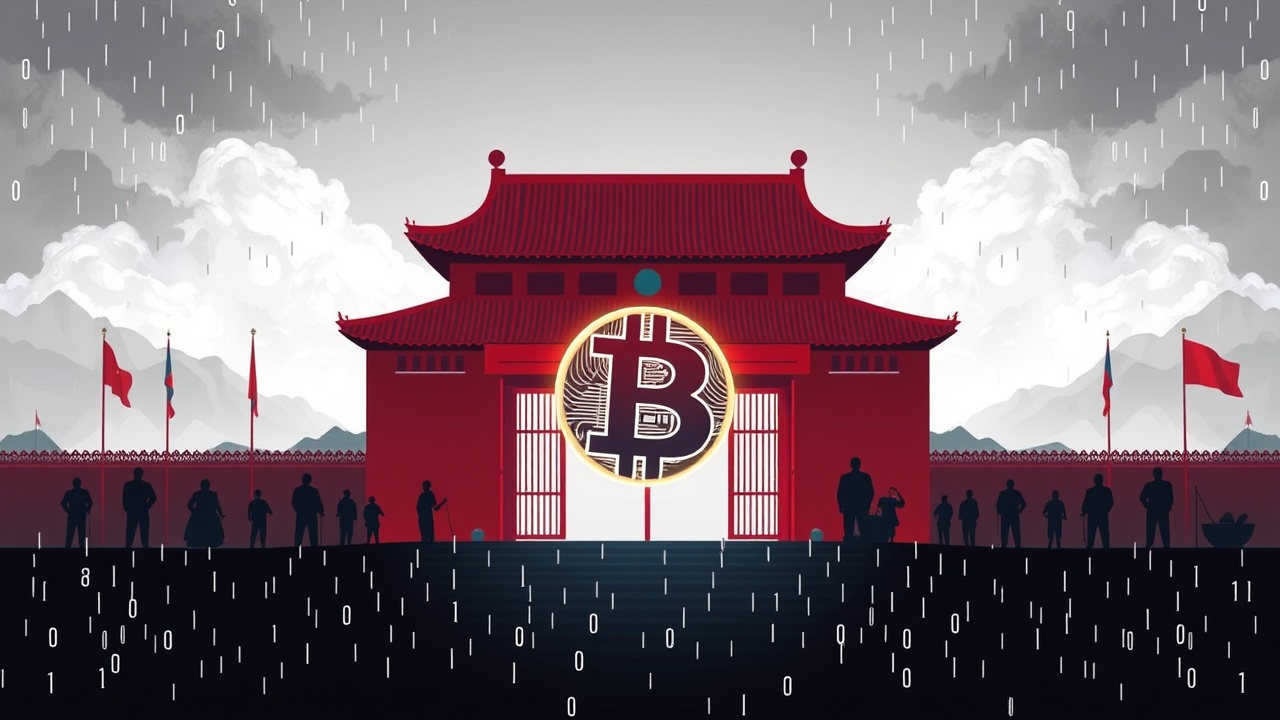
In a decisive move, seven prominent financial associations in China have collectively declared the tokenization of real-world assets (RWA) to be illegal, as reported by local news sources. This united stance comes from organizations including the China Internet Finance Association and the China Banking Association, among others. The warning applies to both domestic and international service providers in the Web3 space, signaling a clear message that such activities do not have legal standing under Chinese law.
Classification and Risks of RWA Tokenization
Real-world asset tokenization has been specifically lumped together with stablecoins, cryptocurrencies, and crypto mining, which are all characterized as illegal virtual currency practices. Instead of being seen as innovative financial technologies, RWA tokenization projects are classified as high-risk ventures fraught with potential fraud. Liu Honglin, an attorney, highlighted the significance of this synchronized announcement, noting that such collaborations are generally employed to tackle systemic financial risks during pivotal moments.
The statement defines RWA tokenization as the issuance of tokens or other rights that resemble debt instruments tied to asset financing and trading. It raises multiple concerns including the authenticity of the assets involved and the risk of business failures and speculation, thereby suggesting that the operations pose significant dangers to investors. Chinese financial regulators have made it unequivocally clear that none of these tokenization activities have received approval, squelching any hopes of pending registration or regulatory exploration.
Contrasting Approaches: China vs. Singapore
Contrasting with China’s hardline approach, Singapore is positioning itself to lead globally in RWA adoption by 2025. The Chinese directive identifies several legal infractions associated with RWA token practices. Projects that initiate fundraising by issuing tokens to the public risk facing illegal fundraising charges. Similarly, transactions or token distributions conducted without regulatory consent could be considered unauthorized public offerings of securities, potentially classifying such operations as illegal futures business activities.
Regulatory Directives and Legal Implications
Crucially, the regulators stressed that RWA token structures cannot ensure legitimate ownership or liquidation of the underlying assets, irrespective of the claims made by project developers regarding the integrity and transparency of their technology. They assert that even compliant projects could trigger uncontrolled risk spillovers to the broader financial ecosystem.
Additionally, officials from China’s securities regulator have issued a directive calling upon local brokerages in Hong Kong to cease any operations related to RWA tokenization. The guidance warned against projects aiming to bypass regulations by using terms like “real-world asset anchoring” or “overseas compliance pathway.” The entire ecosystem supporting these RWA activities, including virtual currency service providers and individuals in China aiding these projects, has now come under scrutiny, making them legally liable under the law.
Impact on Web3 Infrastructure
The legal implications extend deeply into the Web3 service infrastructure, targeting not just project operators but also technology providers, marketing agents, and other facilitators. The standard of “knowing or should have known” establishes a strict liability standard, eliminating the common tactical maneuver of offshore company registries while retaining mainland Chinese staff.
This crackdown on RWA tokenization directly addresses a surge in fraudulent schemes masquerading under the RWA umbrella, noting the exploitation of these terminologies for illegal fundraising and pyramid schemes. This regulatory move also aligns with China’s broader strategy to fully control its digital currency landscape, as evidenced by the ongoing development of the digital yuan and action against major tech companies attempting to issue stablecoins in Hong Kong. Ultimately, this concerted effort undermines the entire Web3 service chain linked to RWA operations in China, as related support services now face existential uncertainties due to the prohibitive environment created by regulatory measures.