Clearstream Expands Crypto Custody Services
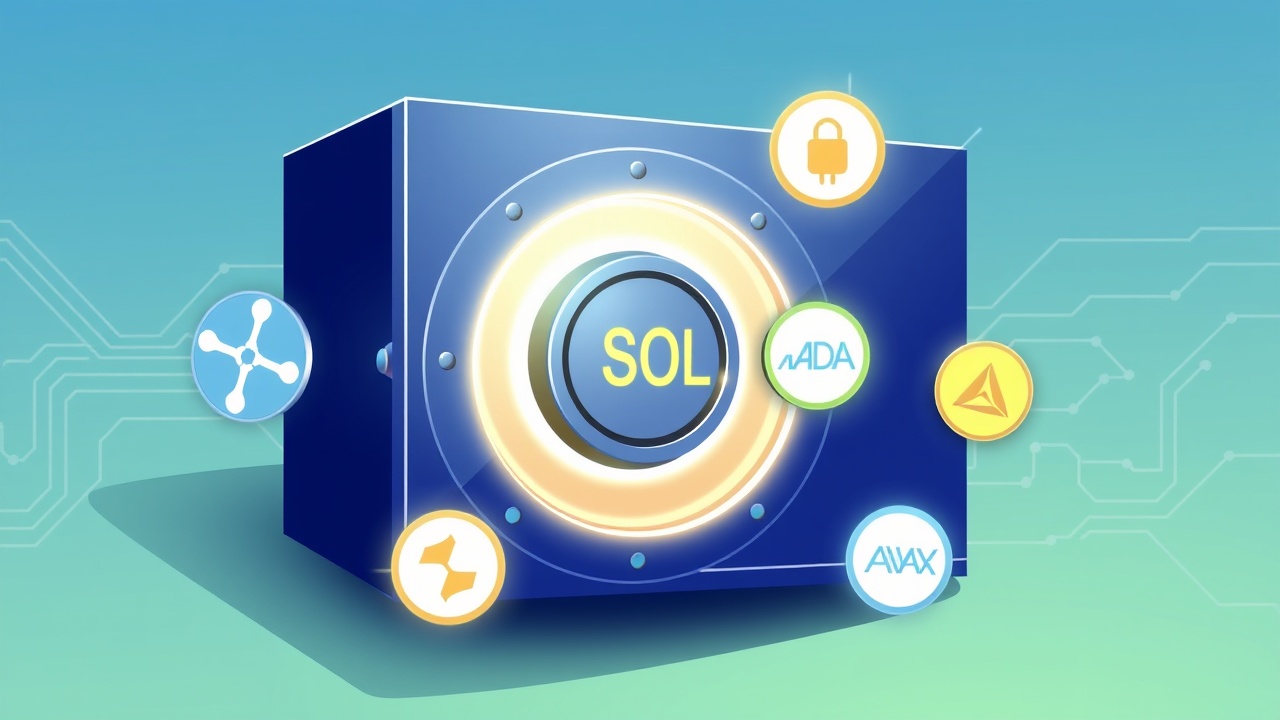
In a strategic enhancement of its digital asset offerings, Clearstream, a major post-trade services provider operating under the Deutsche Börse Group, has broadened its crypto custody services to include an additional six cryptocurrencies. The newly added assets—XRP, Cardano (ADA), Solana (SOL), Litecoin (LTC), Stellar (XLM), and Avalanche (AVAX)—will join Bitcoin (BTC) and Ethereum (ETH), which were previously part of Clearstream’s custody solutions.
Meeting Institutional Demand
This expansion aims to accommodate rising demand for crypto assets that comply with the Markets in Crypto-Assets (MiCA) regulations among institutional investors. As one of Europe’s leading entities in settlement and custody services, Clearstream oversees a staggering €22 trillion in assets, making it a pivotal player in the contemporary financial landscape. Its affiliation with Deutsche Börse Group, which encompasses various trading and market infrastructure operations, strengthens its position.
Utilizing Regulated Services
The custody service utilizes Crypto Finance, a subsidiary of Deutsche Börse, which comes equipped with a MiCAR license allowing it to deliver regulated crypto services throughout Europe. This setup offers clients seamless access to crypto custody via existing accounts managed by Clearstream Banking S.A. in Luxembourg, allowing institutions to leverage familiar operational frameworks without needing to forge direct connections with independent crypto service providers.
Future Rollout and Market Adaptation
Initially, Clearstream announced its crypto custody services would support only Bitcoin and Ethereum, with the potential for expansion based on market demand. This move offers approximately 2,500 institutional clients access to crypto custody and settlement solutions scheduled for rollout in April 2025.
Regulatory Landscape and Institutional Focus
This announcement is particularly timely as the European cryptocurrency market adjusts to the new MiCA regulations, which recently established a unified framework for crypto-asset service providers, encompassing custody, exchange, transfer, and stablecoin operations. Following the July 1 deadline, the European Securities and Markets Authority (ESMA) expanded its authorizations, permitting more firms to provide services within the EU, thereby amplifying the importance of licensing in institutional crypto engagement.
Broader Trends in Digital Assets
The addition of these altcoins indicates a growing trend where institutional actors are shifting their focus beyond Bitcoin and Ethereum, embracing other digital assets that have developed robust market positions and user communities. The expansion is emblematic of Deutsche Börse Group’s commitment to enhancing its digital asset ecosystem, including its recent collaboration with Circle to facilitate the integration of USDC and EURC into its trading and custody platforms. The overall strategy emphasizes regulated, institutional-grade services rather than direct retail crypto offerings, reflecting the importance of security, regulatory compliance, and operational support in the digital asset space.