Coinbase Leadership Denies Allegations
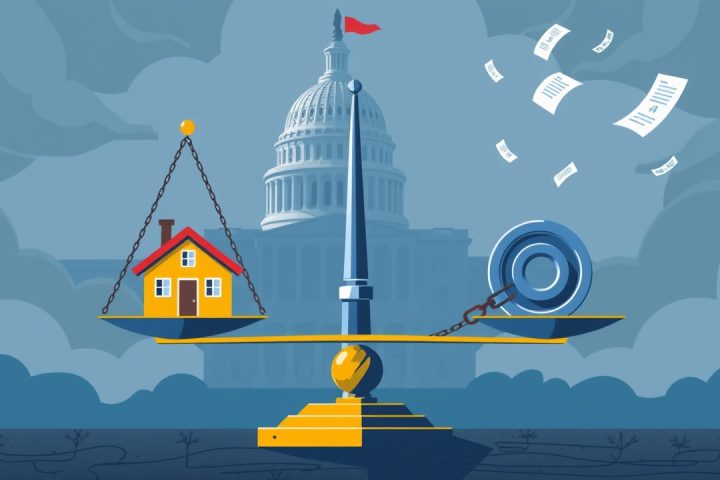
In a recent wave of controversy, Coinbase’s leadership, including CEO Brian Armstrong and Chief Policy Officer Faryar Shirzad, have firmly denied charges that the crypto platform is seeking to undermine a vital tax exemption for Bitcoin. This tax exemption, often termed the de minimis tax exemption, is essential for promoting Bitcoin as a widely accepted payment method, as it would eliminate the need for capital gains tax and IRS reporting on daily transactions involving cryptocurrency. Should this exemption be enacted, purchasing something as simple as coffee with Bitcoin would be exempt from taxes, thus significantly enhancing its utility as a currency.
Allegations and Community Response
The allegations surfaced on social media platform X (formerly known as Twitter) and drew attention from prominent figures within the cryptocurrency community, including billionaire Jack Dorsey. Critics have claimed that Coinbase is subtly persuading legislators that a de minimis exemption for Bitcoin is unnecessary, arguing instead that it would be “dead on arrival” since Bitcoin is rarely used for everyday transactions.
However, some Bitcoin advocates suspect that Coinbase is instead favoring tax relief exclusively for dollar-pegged stablecoins like USDC, which the exchange has a significant financial stake in. With Coinbase reporting approximately $1.35 billion in revenue from stablecoins in 2025—a figure representing a 48% year-over-year rise—it appears they may have more to gain from promoting stablecoins than Bitcoin itself. This revenue primarily derives from interest accrued on U.S. Treasuries within the USDC reserve pool.
Potential Impact of the GENIUS Act
Industry analysts have speculated that the recent passage of the GENIUS Act in July 2025 could lead to a massive formulaic increase in Coinbase’s stablecoin revenue, potentially multiplying it seven-fold if USDC sees broader adoption in mainstream payments. Every time a customer opts for USDC instead of Bitcoin, a greater number of fiat dollars remain in Coinbase’s reserves, allowing the platform to generate yield without taking on significant risk.
Coinbase’s Response to Misinformation
In response to the allegations, Coinbase’s executives have been quick to refute claims of lobbying against the Bitcoin tax exemption. Armstrong characterized the accusations as “misinformation” and assured that he has been actively advocating for Bitcoin’s de minimis tax exemption, declaring it the correct course of action. Shirzad supported this sentiment, labeling the claims against their lobbying efforts as a “total lie.” Dorsey, a proponent of Bitcoin who relies on its success for his own ventures, directly questioned Armstrong about these allegations, receiving a firm affirmation that Coinbase is not opposed to the tax exemption.