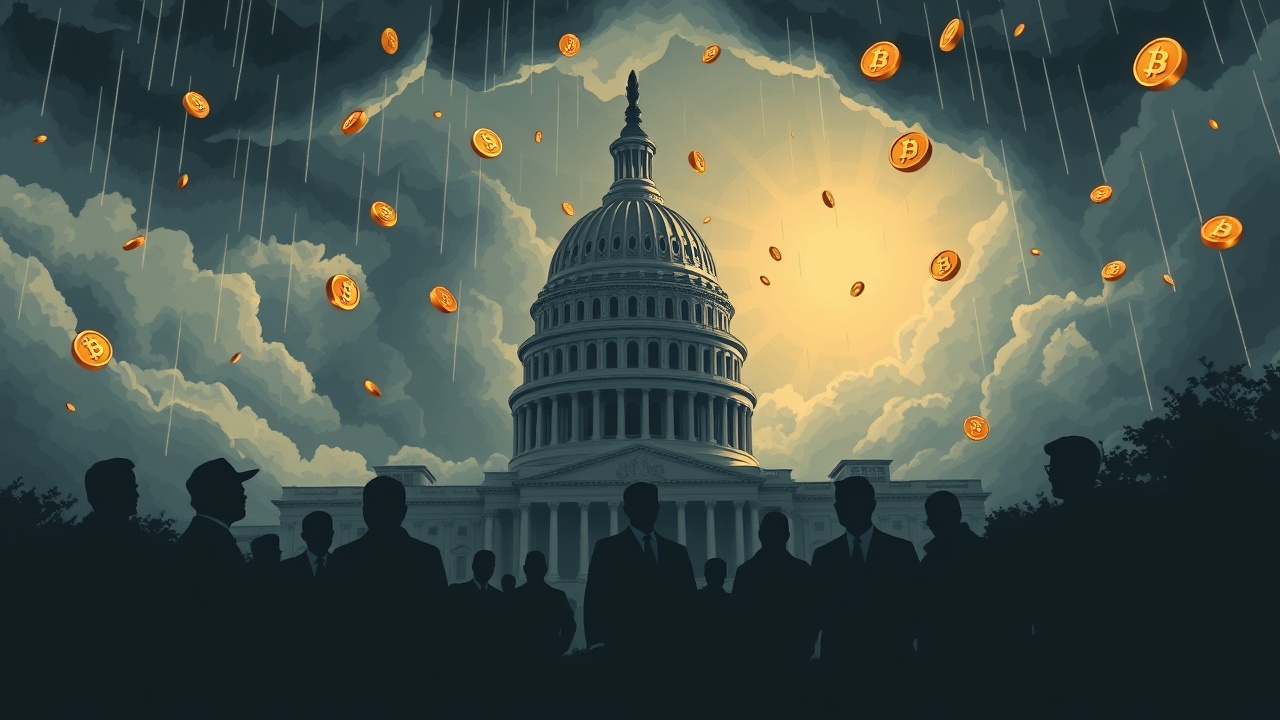
U.S. Congress Prioritizes Cryptocurrency Legislation
The U.S. Congress is set to prioritize cryptocurrency legislation as they gear up for key sessions in January 2026, focusing on market structure alongside stablecoin frameworks. After a prolonged period of stalled discussions, both the House and Senate are preparing to conduct hearings that could significantly influence the future regulatory landscape for digital currencies.
Renewed Commitment to Regulation
As early January approaches, committees are marking their calendars for crucial discussions, highlighting a renewed commitment to addressing cryptocurrency regulation. Influential lawmakers and industry analysts view this period as a pivotal opportunity to assess whether the existing bipartisan enthusiasm can lead to comprehensive regulatory measures governing crypto markets.
Senate Banking Committee’s Proposal
Particularly noteworthy is the Senate Banking Committee, which is poised to push forward a proposal aimed at delineating the regulatory boundaries for digital assets. This proposed legislation seeks to clarify the criteria for distinguishing between tokens classified as securities and those deemed commodities, thereby establishing a clearer framework between the U.S. Securities and Exchange Commission (SEC) and the Commodity Futures Trading Commission (CFTC).
Committee leaders have hinted that January will see the formal evaluation of this legislative text, including a markup session where senators will deliberate potential amendments and vote on the finalized proposal.
This procedural move is crucial as it would determine the bill’s progression to the Senate floor later in the legislative session.
House Legislation and Harmonization Efforts
In parallel, the House has already approved its own iteration of crypto market structure legislation. Thus, January discussions are anticipated to aim for harmonization of the Senate’s proposal with the House’s version, setting the stage for negotiations toward a consolidated legislative package.
Stablecoins on the Legislative Agenda
Moreover, the topic of stablecoins constitutes a significant aspect of the January legislative agenda, albeit with a different focus than the market structure. Last year, Congress established a foundational framework for stablecoins, detailing rules covering dollar-pegged tokens, reserve mandates, and the oversight of their issuers.
As the new year unfolds in 2026, the attention will shift to how these regulatory provisions will be implemented. Federal agencies are expected to articulate supervisory standards, create pathways for licensing, and set compliance timelines for companies functioning under the newly enacted law.
Future Implications and Legislative Signals
January’s hearings will serve as a vital platform for lawmakers to assess the initial rollout of these regulations and to identify any shortcomings revealed post-enactment. Topics such as the roles of banking institutions, payment service providers, and non-bank entities within the stablecoin framework are likely to be key areas for future amendments.
This upcoming month is significant as committee actions will dictate the legislative agenda for the remainder of the year. While hearings and markups do not guarantee legislative success, they represent a clear political signal of intent, paving the way for future negotiations.
As lawmakers return from their holiday break, the issue of cryptocurrency regulation is once again a focal point in Congress. The outcomes from the January discussions will critically inform how swiftly the U.S. progresses towards establishing a more definitive regulatory approach to digital assets in 2026.