Introduction
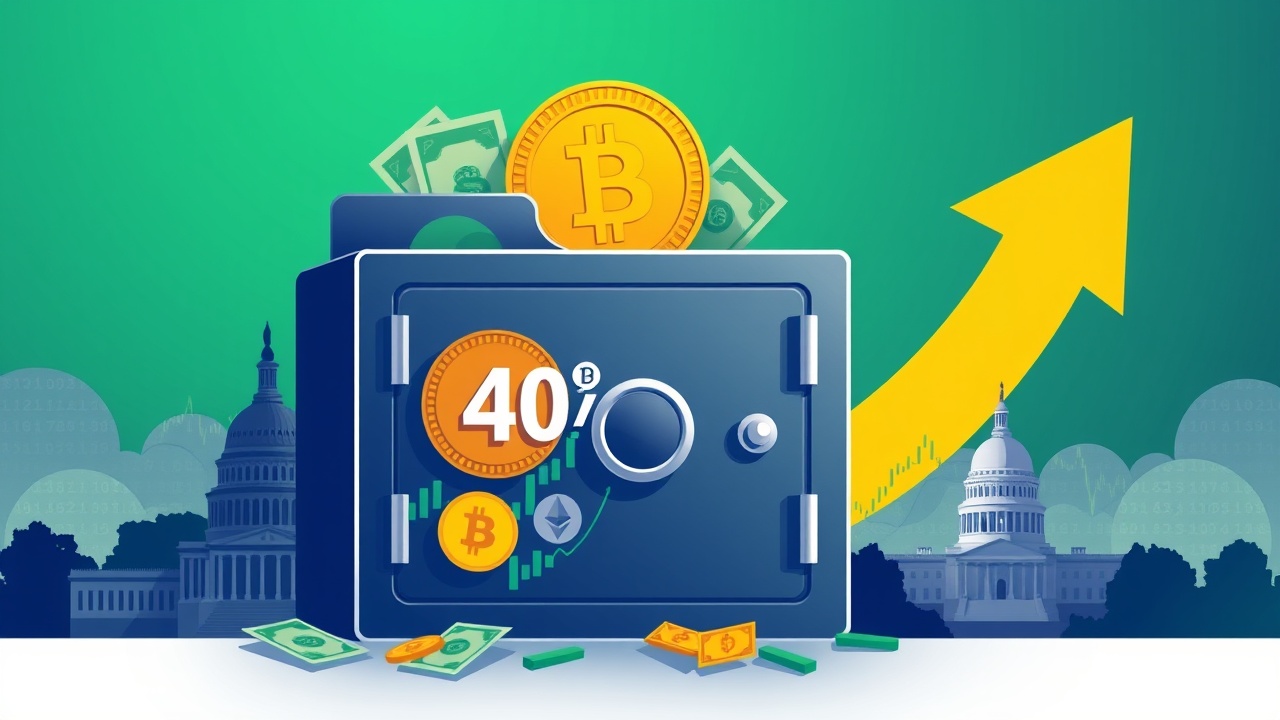
In a significant move that could alter the landscape of retirement savings in the United States, legislators are ramping up their campaign to allow cryptocurrency investments, such as Bitcoin, within 401(k) plans. On December 12, 2025, the House Financial Services Committee reached out to Paul Atkins, the Chair of the Securities and Exchange Commission (SEC), advocating for a reassessment of the existing regulatory framework that currently excludes digital assets from these retirement plans.
Legislative Push for Change
The initiative is a response to a broader push from federal authorities aiming to enhance investment options available to everyday investors. Legislators argue that the regulations in place are antiquated, hindering millions of Americans from diversifying their retirement portfolios with contemporary asset classes like cryptocurrencies. This effort mirrors an executive order issued by President Donald Trump on August 7, 2025, entitled “Democratizing Access to Alternative Assets for 401(k) Investors,” which instructed federal bodies, including the SEC and the Department of Labor (DOL), to explore ways to broaden the scope of investment opportunities available in defined contribution plans, citing digital assets as a key focus area.
Regulatory Considerations
The executive order encourages regulators to reconsider existing barriers such as the criteria that define accredited investors and qualified purchasers, potentially making it easier for average Americans to invest in alternative assets like cryptocurrencies through their retirement accounts. However, even if these regulatory changes are enacted, the inclusion of such cryptocurrency options in 401(k) plans would ultimately be at the discretion of employers and plan providers, leaving savers to opt-in to these investments themselves.
Arguments For and Against Inclusion
Proponents of the inclusion of digital assets argue that, when implemented with appropriate safeguards, they could provide investors with improved diversification and enhanced long-term growth prospects that traditional investments may not offer. Conversely, critics in the financial sector raise concerns regarding the inherent volatility and transparency issues associated with cryptocurrencies, emphasizing the necessity for well-defined regulations before such assets gain widespread acceptance in retirement accounts.
Future Legislative Actions
To solidify these objectives, Congress is advancing the Retirement Investment Choice Act, intending to codify Trump’s executive order and permanently open up 401(k) plans to alternative investments, including the burgeoning field of digital currencies.
Conclusion
As it stands, regulators have yet to establish definitive rules permitting cryptocurrency investments in retirement savings plans. The SEC and DOL are anticipated to continue their discussions and may unveil guidance or regulatory changes in the near future, as the conversation surrounding retirement investment options evolves.