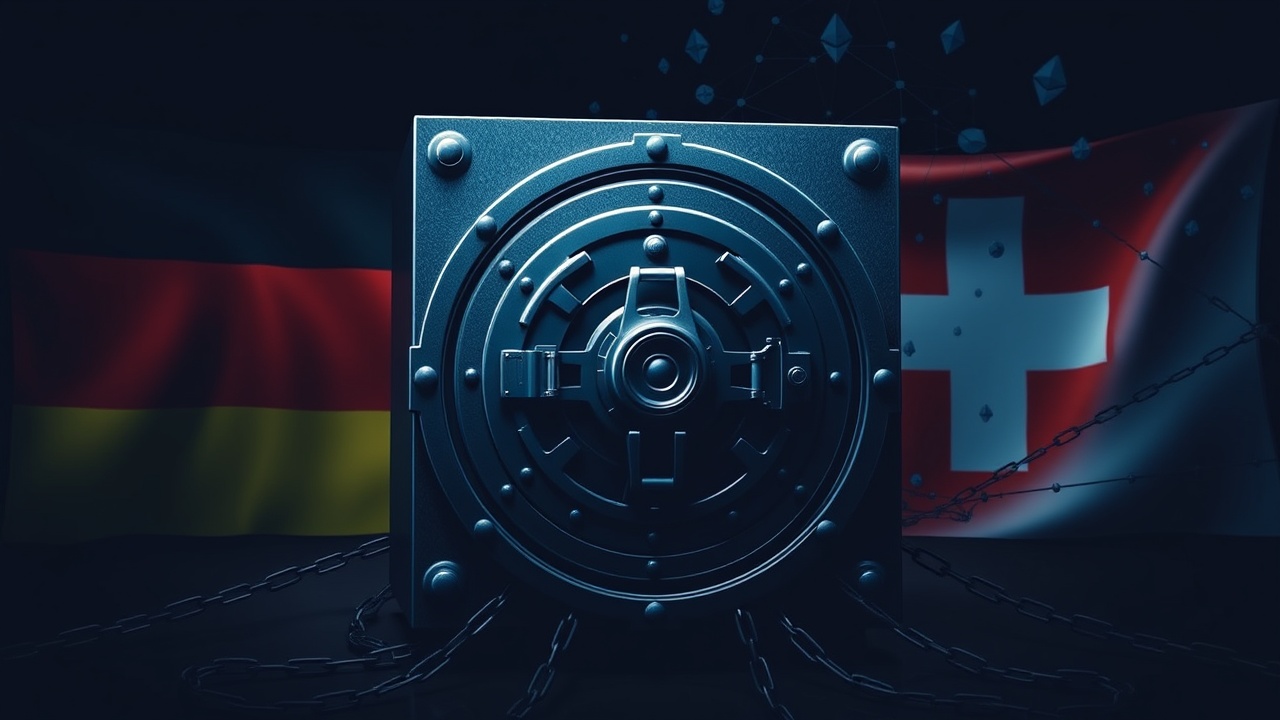
Major Takedown of Cryptomixer
In a significant operation led by European law enforcement, authorities have successfully taken down Cryptomixer, a notorious service that facilitated the laundering of more than $1.4 billion (€1.3 billion) in Bitcoin since its inception in 2016. The crackdown, which occurred last week in Zurich, involved police from Germany and Switzerland, bolstered by support from Europol and Eurojust. During this coordinated effort, officials managed to confiscate approximately $27 million (€25 million) in Bitcoin, along with 12 terabytes of data, three servers, and the domain cryptomixer.io.
Functionality and Impact of Cryptomixer
Cryptomixer was notorious for its ability to obscure the origins of funds. By mixing incoming transactions and returning coins that lacked links to their original sources, it became a vital tool for various illicit operations, including ransomware gangs and underground markets, enabling them to launder money derived from activities such as drug trafficking and fraud.
Europol’s press release highlighted that after shutting down the service, they placed a seizure banner on the Cryptomixer website, which had been operational on both the clear web and the dark web.
Cybercrime consultant David Sehyeon Baek pointed out to Decrypt that the volume of $1.4 billion indicates that Cryptomixer was a significant laundering hub, utilized not only by various ransomware operations but also by darknet markets and fraud syndicates.
Baek emphasized that such a large volume points to a robust operational structure, stating that the continued operation over nearly a decade demonstrates “operational maturity” marked by stable infrastructure and strong reputational trust within underground communities. This takedown is expected to create disruptions for criminal enterprises that relied on its services, leading to complications such as stuck funds and shifts to alternative laundering methods.
Although some may face immediate hurdles, Baek warned that many capable groups tend to migrate to other mixers or high-risk exchanges rather quickly, suggesting that while the flow of illicit funds may face temporary delays, it will continue through other channels.
Broader European Initiative Against Crypto Crimes
The operation forms part of a wider European initiative aimed at addressing crypto-related crimes. Recent weeks have seen several significant developments, including the arrest of nine individuals linked to a crypto money laundering scheme that conned victims out of $689 million (€600 million) across Cyprus, Spain, and Germany. In another instance, Europol seized $330,000 in cryptocurrency and apprehended seven people implicated in a cybercrime-as-a-service network operating from Latvia last month.
Burkhard Mühl, who leads Europol’s European Financial and Economic Crime Centre, has warned that the criminal misuse of cryptocurrencies is growing more sophisticated. He acknowledged the increasing challenge such investigations pose for law enforcement agencies across the European Union, particularly during a conference dedicated to criminal finances and crypto assets held in late October.