Debate Over BIP-110 in the Bitcoin Community
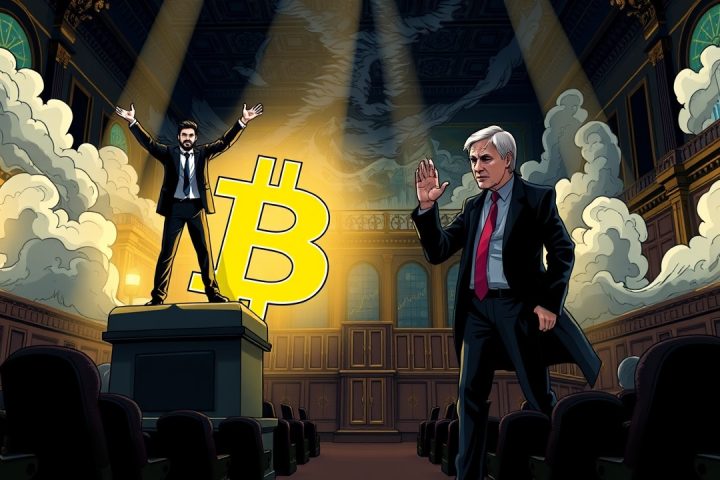
A significant debate has arisen within the Bitcoin community regarding a proposal known as BIP-110, which has attracted considerable attention as of March 2026. To bring those unfamiliar with the subject up to speed, BIP-110 aims to restrict the amount of non-essential data—such as images and videos—from being stored on the Bitcoin blockchain.
Proposal Overview
This proposal was introduced by a developer using the pseudonym Dathon Ohm in December 2025, suggesting that a temporary 12-month soft fork be implemented to filter out what is perceived as spam in transactions, particularly through the use of protocols like Ordinals and Runes.
Opposition from Key Figures
However, the proposal has met with strong opposition from leading figures in the cryptocurrency space, notably Blockstream’s CEO Adam Back. Back, who has historical ties to Bitcoin as acknowledged in Satoshi Nakamoto’s original whitepaper, argues that BIP-110 poses a significant threat to Bitcoin’s foundational principle of neutrality. According to him,
“censoring specific transaction types could be more detrimental than the spam it seeks to eliminate.”
Concerns and Criticism
Additionally, critics point out serious concerns regarding the potential confiscation of funds. The implementation of BIP-110 may inadvertently render some existing unspent transaction outputs (UTXOs) unusable, essentially locking users out of their assets. Equally concerning is the possibility that without widespread consensus for the soft fork, which proposes a 55% approval threshold as opposed to the industry standard of 95%, the Bitcoin blockchain could fracture into multiple segments.
Community Reactions
As the controversy unfolds, various community members have voiced their opinions. Notably, a prominent Bitcoin advocate known online as Hodlnaut has accused Back of exhibiting arrogance and neglecting the critical issue of governance within the protocol.
Potential Outcomes
Should BIP-110 be rejected by the wider Bitcoin network, it may reinforce the notion that the community is steadfast in its commitment to resisting censorship. Conversely, acceptance of the proposal could mark what some activists perceive as a troubling shift toward centralized governance within Bitcoin, changing the rules based on the current climate of opinion.