Distressing Case of Cryptocurrency Scams
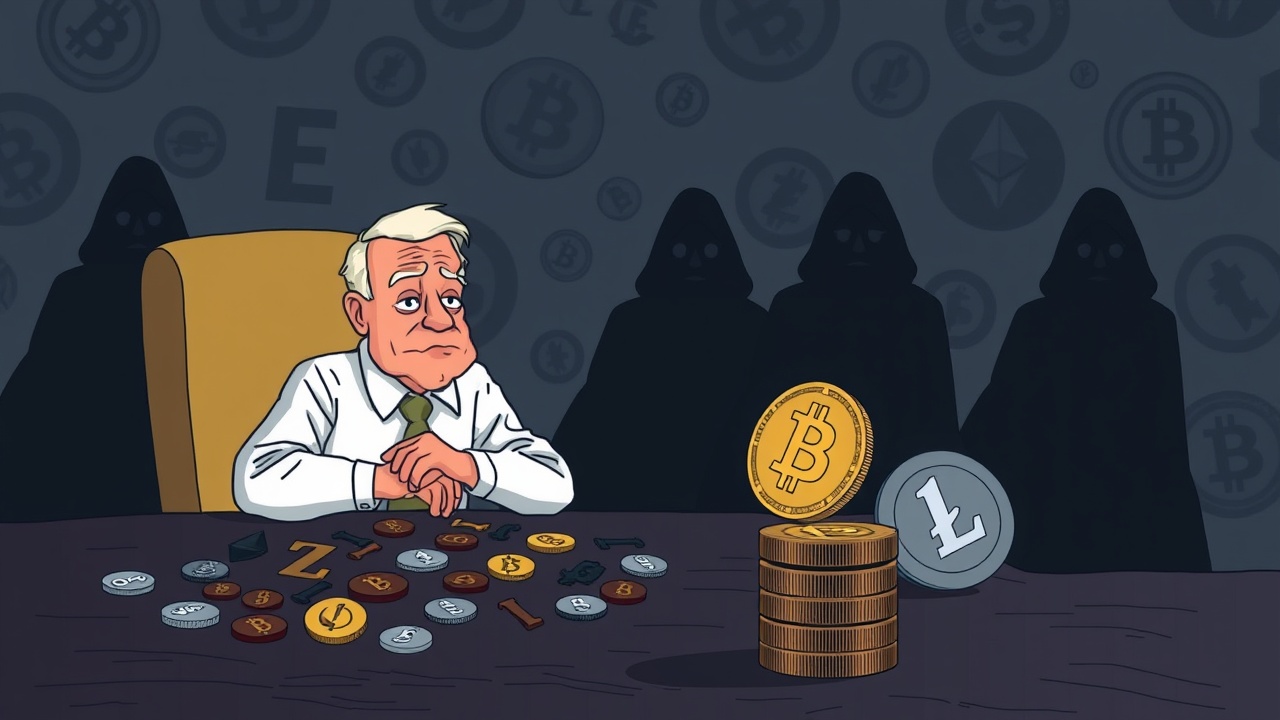
The Cyber Crime Bureau of the Hong Kong Police has raised alarms following a distressing case involving a 66-year-old retiree who was duped by three different cryptocurrency scams. Reports indicate that the elderly man lost a staggering HK$6.6 million to fraudsters posing as cryptocurrency professionals.
Details of the Scams
This unfortunate series of events began in September 2025 when the man received a WhatsApp message from someone claiming to be an expert in cryptocurrency investments. Lured by promises of guaranteed profits and expert guidance, he invested HK$1.4 million, believing he was making a sound financial decision. However, once he transferred the funds, the scammer disappeared, leaving the victim to grapple with the realization that he had been swindled.
Undeterred, the victim turned to the internet, seeking assistance from yet another purported cryptocurrency expert to help him recover his lost funds. This new scam artist assured him that it was indeed possible to reclaim his money, but first, he needed to pay a deposit of 600,000 yuan. Regrettably, after the man complied, this fraudster vanished as well, marking the second time he had fallen prey to a scam.
The troubling pattern continued into January of this year when the victim was contacted once more, this time by a third scammer who claimed to have the means to recover his previous losses. The scammer insisted that he purchase 4.6 million yuan worth of cryptocurrency and deposit it into a specified account. As with the earlier scams, the fraudster disappeared immediately after receiving the payment, leaving the elderly victim devastated and financially drained, having lost his entire life savings to these schemes.
Public Warnings and Precautions
In light of this alarming incident, law enforcement officials are urging the public to exercise extreme caution when it comes to engaging with individuals claiming expertise in cryptocurrency. They stress the importance of not transferring money to unknown parties and warn that any promises of guaranteed returns or recovery of lost funds are likely fraudulent. Moreover, if someone approaches you offering a solution to a previous scam, it is advisable to view it skeptically and treat it as a potential continuation of a scam.
In addition to this specific case, the FBI has also cautioned the public about fraudulent tokens on the Tron blockchain that impersonate the agency. Scammers use these counterfeit tokens to deceive users into disclosing personal information by falsely asserting that their cryptocurrency wallets are under investigation.