Elon Musk’s Perspective on Currency and Energy
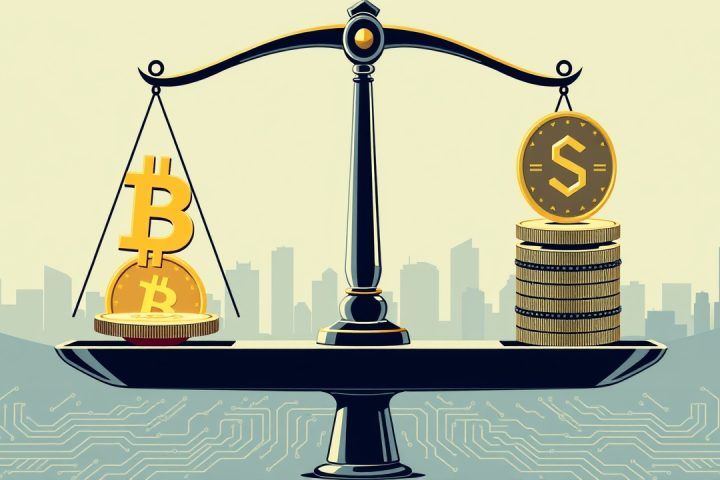
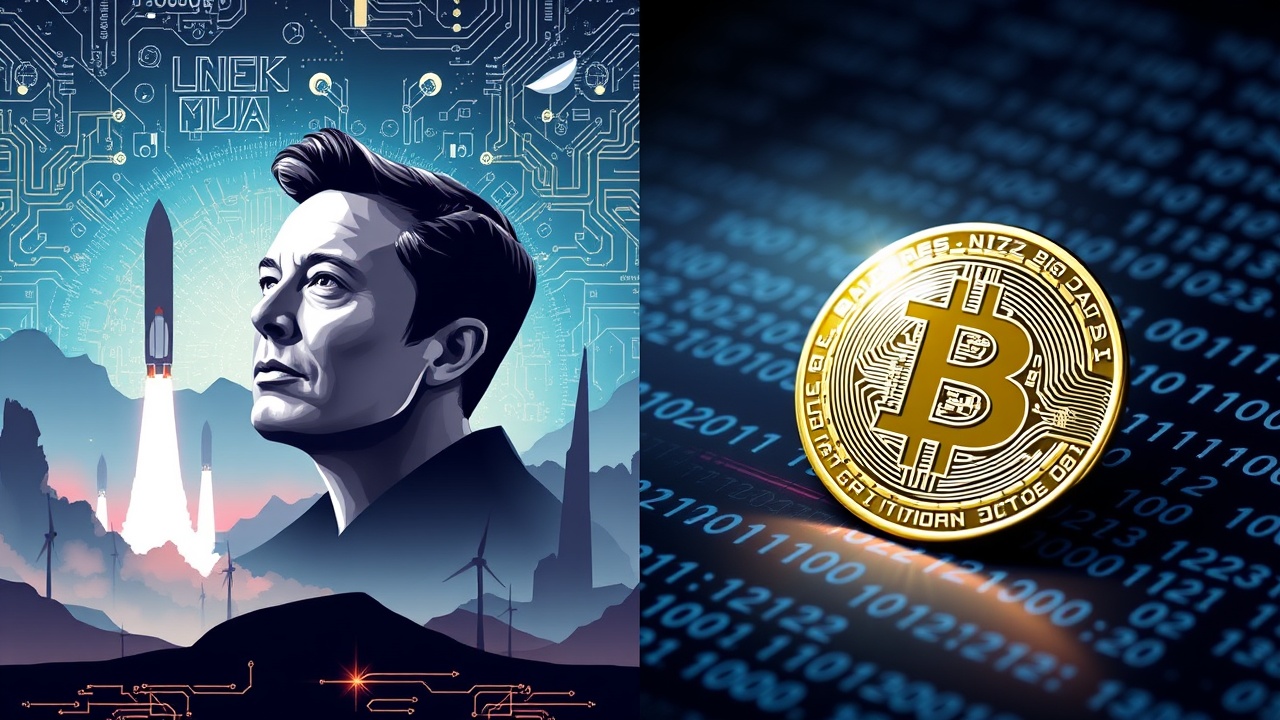
In an engaging social media commentary, Elon Musk recently expressed his belief that the essence of currency lies in energy. This assertion has been warmly received by proponents of Bitcoin, who interpret it as a validation of the pioneering cryptocurrency’s fundamental principle, which emphasizes proof-of-work. Supporters argue that Musk’s viewpoint indirectly recognizes Bitcoin as a more effective form of currency, given its intrinsic connection to energy usage—a stark contrast to traditional fiat currencies, which can be generated or altered through legislative measures.
Musk’s Insights on Energy and Bitcoin
Approximately three weeks ago, during a podcast discussion, Musk elaborated on this notion. He articulated the relationship between energy and Bitcoin, commending the cryptocurrency for being inherently tied to energy consumption. He made the point that energy production cannot simply be legislated or printed in excess.
Adding depth to his argument, Musk suggested that the advancement of civilization should be assessed based on how well societies harness energy, referencing the Kardashev scale. Interestingly, he also forecasted that conventional money might eventually fade into obsolescence as artificial intelligence and robotics pave the way for a post-scarcity environment.
Musk’s Evolving Relationship with Bitcoin
Musk’s views on Bitcoin are multifaceted. Back in 2021, Tesla made headlines by purchasing $1.5 billion worth of Bitcoin and allowed customers to use the cryptocurrency for transactions. However, this initiative was short-lived as Musk chose to discontinue accepting Bitcoin payments, citing concerns about its environmental impact, particularly due to the reliance on coal for Bitcoin mining occurring predominantly in regions such as Xinjiang, China.
Since then, the landscape has changed significantly. Following China’s mid-2021 ban on crypto mining, many operations relocated to areas with greener energy sources, such as Texas, known for wind and solar energy, and Iceland, which primarily utilizes geothermal energy. Perspectives on Bitcoin’s environmental footprint have shifted, and by 2025, studies from the Cambridge Centre for Alternative Finance indicated that over half of Bitcoin mining has transitioned to sustainable energy sources, enabling Musk to align his principles with the evolving nature of the cryptocurrency without compromising his commitment to sustainable practices.