European Commission’s New Sanctions Plan
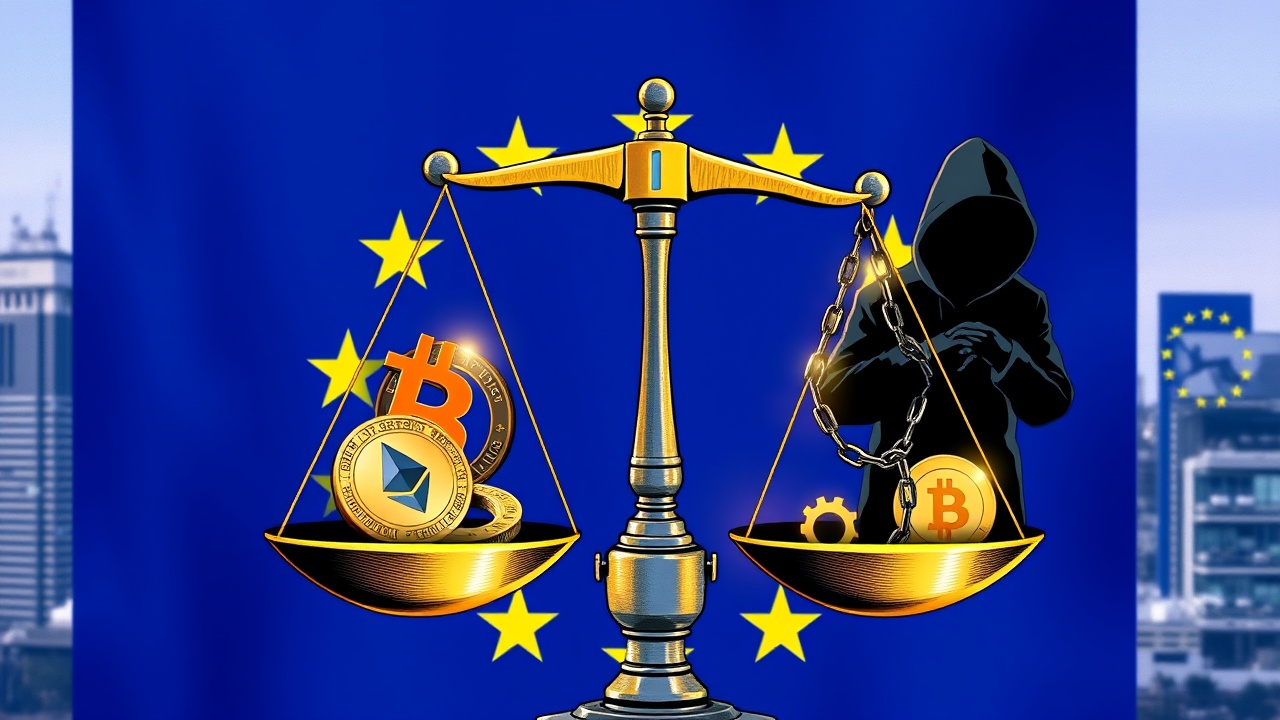
The European Commission has put forward a plan that could lead to the first country-specific prohibition on foreign cryptocurrency services that are allegedly aiding Russia in evading international sanctions. This initiative is part of a broader 21st sanctions package aimed at entities beyond the borders of the European Union, specifically targeting banks, oil traders, and cryptocurrency platforms accused of facilitating transactions for sanctioned Russian individuals and businesses.
Key Measures and Statements
Ursula von der Leyen, President of the European Commission, emphasized the importance of these latest measures in closing off avenues that might allow for the circumvention of existing sanctions. Under this proposal, transaction bans would encompass a range of non-EU entities, while the commission aims to secure the power to prohibit crypto services from entire countries if they are home to platforms that bolster the operations of sanctioned Russian individuals or organizations. Von der Leyen remarked that these actions would serve as a significant deterrent to nations hosting such platforms that enable Russia to bypass sanctions.
Regulatory Scrutiny and Financial Networks
This development coincides with heightened scrutiny from regulatory bodies in both Europe and the United States regarding the cryptocurrency infrastructure believed to facilitate support for sanctioned nations and unlawful financial networks. A report from Chainalysis revealed that illicit cryptocurrency addresses received a staggering $154 billion last year, with a notable $93.3 billion linked to the ruble-pegged stablecoin A7A5, indicating a large share of state-connected crypto transactions tied to Russia.
Previous Actions and Global Context
In earlier developments, the blockchain analysis firm Elliptic flagged five cryptocurrency exchanges suspected of providing financial routes that help bypass sanctions, operating outside the conventional banking system. Notably, the UK government imposed sanctions on Huobi Global S.A. earlier this year due to its alleged connections with the Russia-affiliated A7 network, instituting asset freezes and payment restrictions as part of its enforcement actions.
On the global stage, in June, the U.S. Treasury took action by sanctioning four Iranian cryptocurrency exchanges, accusing them of facilitating access to digital assets for sanctioned entities, further illustrating the increasing confluence between cryptocurrency and state financial activities.
Russia’s Response and Future Regulations
While European regulators are working towards stricter regulations, Russia is simultaneously laying the groundwork for its own comprehensive cryptocurrency regulations, anticipated to be introduced later this month. These regulations aim to create licensed domestic trading platforms, thereby establishing a formal structure for local cryptocurrency activities amidst growing international scrutiny over Russia’s digital asset transactions.
Holistic Approach to Sanctions
Additionally, the latest sanctions package from the European Commission includes measures targeting Russia’s energy and trade sectors, such as new restrictions on oil vessels and the introduction of sanctions on Russian fisheries, indicating a holistic approach to increasing economic pressure on Russia in response to its actions in Ukraine.