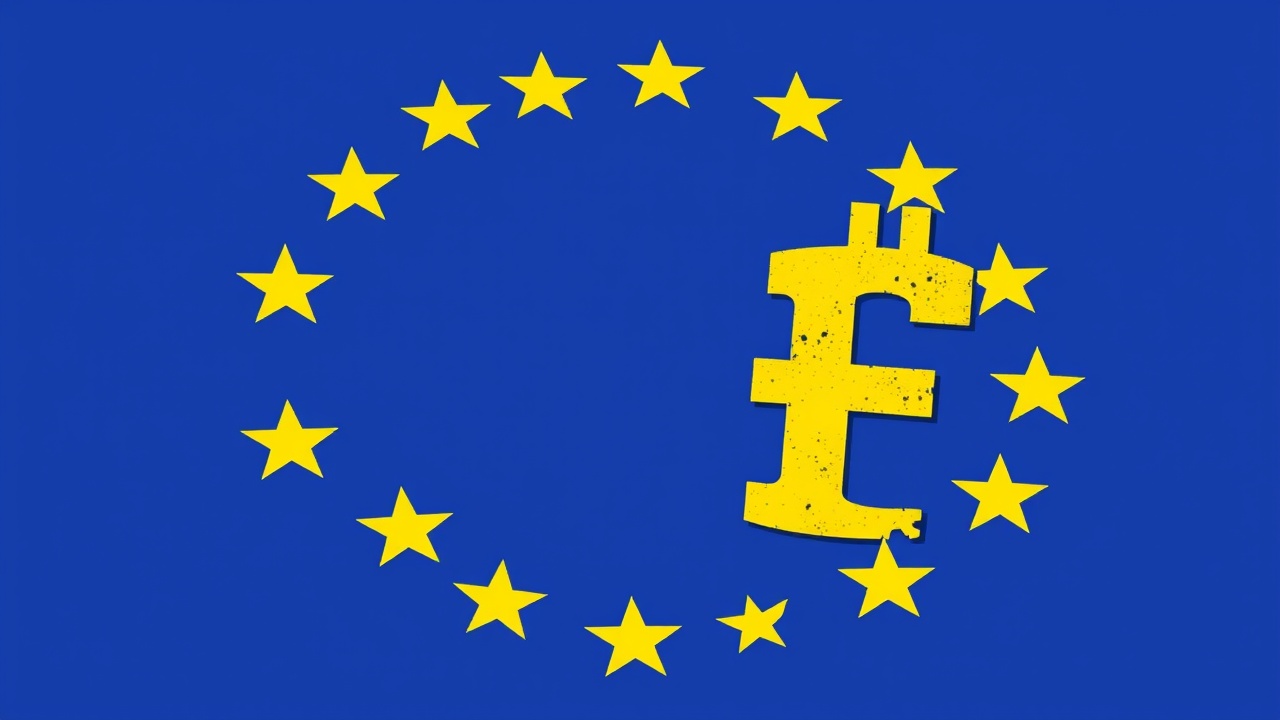
Europe’s Cryptocurrency Regulation Under Review
Europe’s regulatory watchdog has initiated a comprehensive review of its groundbreaking cryptocurrency legislation, signaling that policymakers are already preparing to refine rules that only recently entered full implementation. The European Commission launched the consultation process on May 20, with responses required by the end of August 2026, marking a crucial checkpoint in the evolution of the Markets in Crypto-Assets Regulation.
MiCA, which created the first harmonized digital asset framework across all 27 European Union member states, has transitioned from legal text to practical reality. The regulation governs everything from token issuance and cryptocurrency exchanges to wallet services and stablecoin operations, establishing consistent standards for firms and investors continent-wide.
Implementation Timeline and Current Review
The regulatory framework did not become effective overnight. Initial provisions targeting stablecoins took effect in mid-2024, while the complete rulebook became mandatory across the bloc on December 30, 2024. Now, barely months into full enforcement, Brussels is seeking input on whether the framework is functioning as intended or requires adjustment.
The review process encompasses two distinct tracks. A public consultation welcomes input from individual citizens and general stakeholders, while a parallel technical consultation targets specialized input from financial institutions, legal experts, market participants and regulatory authorities. This dual approach suggests Brussels views this as a substantive policy review rather than a perfunctory administrative exercise.
Scope and Future Considerations
Europe’s securities regulator, ESMA, notes that MiCA established uniform rules for digital assets previously outside traditional financial regulation, with provisions addressing market transparency, disclosure obligations, entity authorization and supervisory oversight. The framework’s scope encompasses asset-referenced tokens and electronic money tokens alongside conventional cryptocurrencies.
Industry observers anticipate that this review could expand MiCA’s scope significantly. During Paris Blockchain Week, EU officials indicated the consultation would operate with “no taboos,” suggesting that decentralized finance platforms, tokenized traditional assets and cross-border supervision mechanisms could all enter the next policy discussion.
For cryptocurrency businesses operating throughout Europe, this consultation represents a unique opportunity to influence regulatory development before rules calcify into precedent. Whether MiCA ultimately becomes more flexible or remains a static compliance requirement will significantly impact how digital asset firms navigate European operations.