Discussion at WAIB Summit Monaco 2026
In a recent discussion at the WAIB Summit Monaco 2026, Peter Kerstens, one of the key figures behind the Markets in Crypto-Assets Regulation (MiCA), expressed skepticism about the necessity of regulating decentralized finance (DeFi).
Focus on Comprehensive Digital Asset Framework
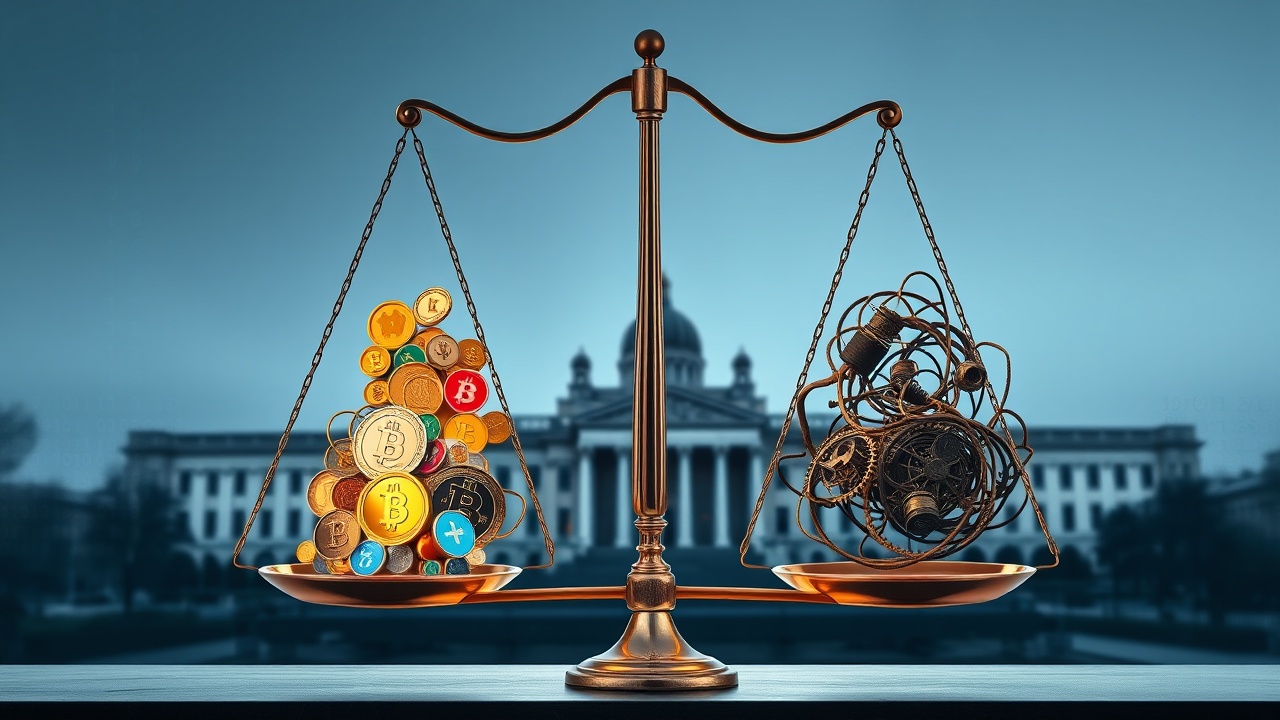
As the European Commission moves forward with a public consultation that aims to gather input on MiCA’s future, which runs until August 31, Kerstens argued that the greater focus should be on establishing a comprehensive digital asset framework that includes real-world assets and tokenization rather than creating a second version of MiCA specifically for DeFi.
Public Consultation Insights
The public consultation, initiated in May by the European Commission, is aimed at gathering insights on how MiCA should evolve. Kerstens articulated that while he personally believes MiCA is still relevant, he emphasized the importance of listening to the feedback received during this consultation process.
MiCA is set to enter a critical phase on July 1, when crypto asset service providers must acquire a MiCA license or cease operations for clients within the EU.
Challenges of Regulating DeFi
The topic of DeFi was brought into the conversation by the European Commission’s review, despite DeFi protocols falling largely outside of MiCA’s existing framework. Kerstens highlighted the complexities that arise in attempting to regulate DeFi, pointing out that existing laws can only be applied to entities or individuals, not the decentralized computer networks themselves.
“There is presently no need for regulatory measures targeting DeFi, characterizing it as an organic movement without centralized representation.”
Concerns About Decentralization
In a related note, a recent working paper published by the European Central Bank raised concerns about the true decentralization of decentralized autonomous organizations (DAOs). Analyzing leading DeFi protocols such as Aave, MakerDAO, Ampleforth, and Uniswap, it was found that a small number of governance token holders controlled a significant majority of supply within these platforms, which calls into question their classification as truly decentralized and whether they should be considered under MiCA regulations.
Conclusion
This ongoing dialogue around DeFi and digital assets indicates a critical juncture for regulation as the European Union grapples with how best to adapt their frameworks to fit an evolving financial landscape, balancing innovation with the need for oversight.