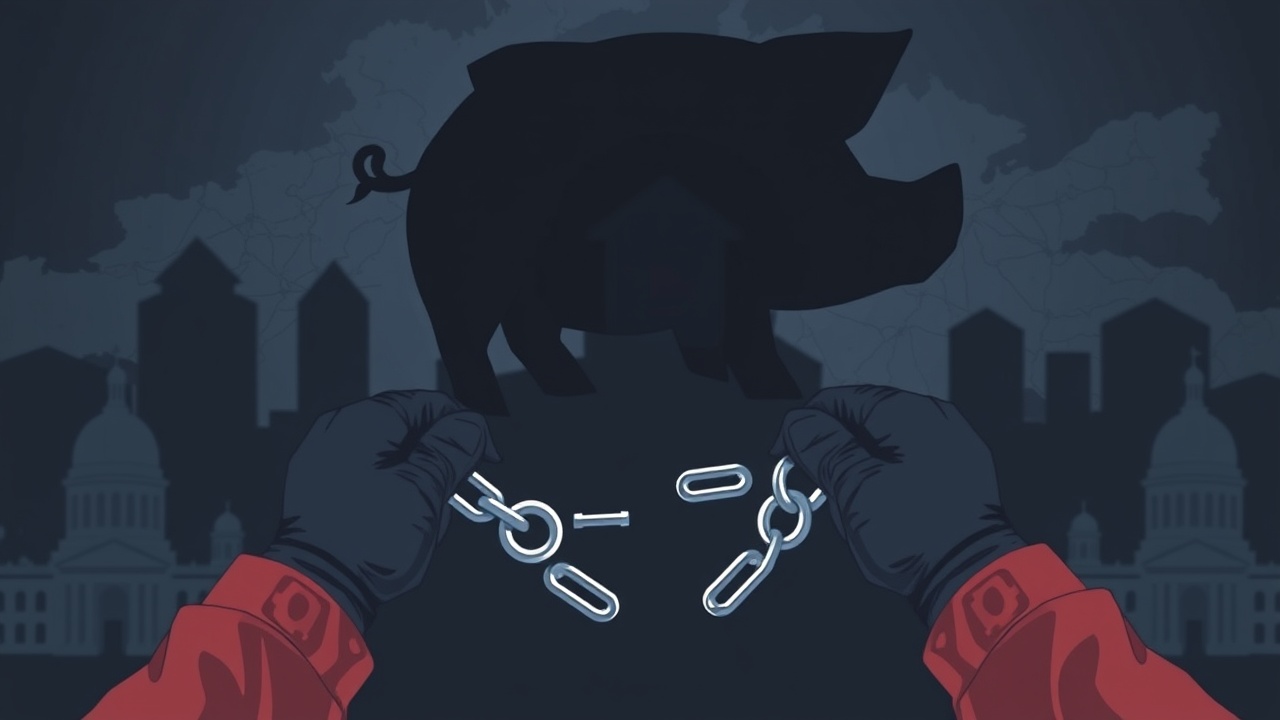
Pig-Butchering Scams: A Growing National Security Concern
The infamous scam operation referred to as “pig-butchering,” which initially was perceived strictly as a consumer fraud issue, has escalated to a matter of significant concern regarding national security. In a recent episode of a podcast, Andrew Fierman, who leads the national security intelligence division at Chainalysis, alongside Erin West, a former prosecutor and founder of the nonprofit Operation Shamrock aimed at combating scams, shed light on how these schemes pose a potential threat on a national scale.
Public Education and Awareness
West emphasized the critical need for public education regarding the dangers of cryptocurrency-related scams, stating,
“If you’re dealing with any monetary transaction, you’re inevitably affected by this problem. It’s crucial that we grasp the severity of the situation from a national security perspective.”
Understanding Pig-Butchering Scams
“Pig-butchering” scams involve long-term deception, where fraudsters establish a bond with their victims—often through romance or friendship—before directing them to counterfeit cryptocurrency investment platforms from which they are ultimately defrauded of their savings.
The podcast highlighted the alarming growth of these scams, particularly in Southeast Asia, where organized crime rings operate large-scale compounds where coerced workers target victims online, gain their trust, and lure them into fraudulent crypto investments. The U.S. Department of Justice reported that in 2023, it reclaimed approximately $112 million in cryptocurrency tied to these scams. Furthermore, Chainalysis reported a staggering 40% uptick in pig-butchering scams year-over-year, with total crypto scam revenues surpassing $9.9 billion in 2024.
Second Wave of Fraud and Evolving Crime Networks
Of notable concern is that many victims face a second wave of fraud. After being scammed, they often receive follow-up contact from fake recovery companies that promise to help recover their lost funds. West warned,
“Once a scammer gets to you, you’re placed on a list, making it much more likely you’ll be targeted again.”
Fierman and West described the evolution of these scams into a sophisticated transnational crime network that intertwines human trafficking, money laundering, and cryptocurrency transactions, complicating the landscape far beyond traditional fraud. However, they pointed out that the transparency inherent in blockchain technology presents regulators, cryptocurrency exchanges, and virtual asset service providers with a chance to combat these scams by intervening at critical cash-out moments.
Law Enforcement Response and Strategies
As these scams increasingly disrupt financial systems, law enforcement agencies worldwide are responding aggressively. On November 12, the DOJ unveiled a new initiative, the “Scam Center Strike Force,” aimed at dismantling Chinese-linked criminal organizations involved in such fraudulent activities in Southeast Asia. Concurrently, regional authorities have been engaged in freezing and sanctioning assets tied to these scams. For instance, on August 27, a collaborative effort involving law enforcement across the Asia Pacific, along with Chainalysis, Binance, Tether, and OKX, resulted in freezing $47 million believed to be linked to pig-butchering operations.
This comprehensive strategy to thwart scams focuses on disrupting the financial pathways utilized by scammers, imposing sanctions on facilitators, and fostering public-private collaborations. West noted,
“In addressing transnational organized crime, I advocate for leveraging all available resources—sanctions, legal action, and diplomatic pressure.”
Protecting Yourself from Scams
Being cognizant of red flags can help individuals protect themselves from falling victim to pig-butchering scams. Accusations of love expressed too quickly via online interactions—especially from someone you’ve never met—can indicate manipulation, especially if they refuse to disclose personal details or professional backgrounds. A prominent warning sign occurs when the individual solicits money for purported emergencies or offers enticing opportunities for risk-free investments, often including fabricated evidence of extraordinary financial gains to lure victims into making investments.