Florida’s Regulatory Measures for Stablecoins
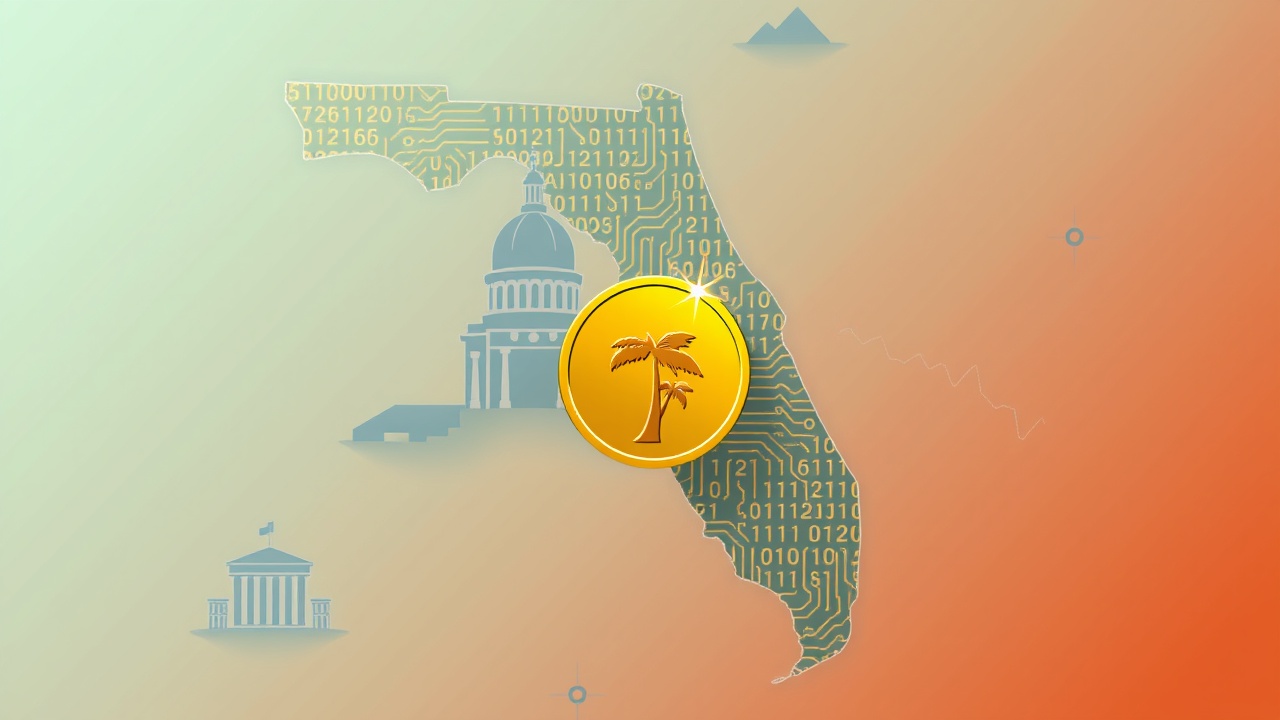
Florida is on the path to becoming one of the first states in the U.S. to establish regulatory measures for stablecoins, after the State Senate approved Senate Bill 314 last Friday. Sam Armes, the founder and president of the Florida Blockchain Business Association, hailed the approval as a groundbreaking development on social media, expressing confidence that Governor Ron DeSantis, a known supporter of cryptocurrencies, will endorse the bill within the next month.
A representative for DeSantis informed Decrypt that the legislation has yet to reach his desk for consideration. “Once it is delivered to his office, it will be reviewed in its final form,” she said.
Key Features of the Legislation
The recently passed legislation enjoys unanimous support and seeks to integrate stablecoins into Florida’s existing financial regulations by clearly identifying them as a type of “monetary value” under the Florida Control of Money Laundering in Money Services Business Act. Additionally, the bill permits the Florida Department of Financial Services to accept stablecoins for various payments, including taxes and state-issued licenses, and establishes a pilot program aimed at evaluating how the state government can effectively use stablecoins in the future.
Republican Senator Colleen Burton emphasized during discussions that the legislation is designed to align state oversight with federal standards, as delineated in the GENIUS Act, a federal framework for stablecoins that was enacted last year. “It’s important that we do this today,” she stated, highlighting that the bill would enable Florida’s Office of Financial Regulation to oversee payment systems utilizing stablecoins.
Comparison with Other States
Florida’s initiative reflects a regulatory landscape akin to that of conventional money transactions. For instance, the bill mandates that money services businesses maintain transaction records for stablecoin dealings exceeding $10,000, mirroring existing requirements for other digital assets categorized as “virtual currencies.” Notably, Texas paved the way in 2019 by being the first state to officially recognize stablecoins as a form of monetary value related to money transmission, as analyzed by the law firm Paul Hastings. Further regulations were introduced in Texas under the Money Services Modernization Act in 2023.