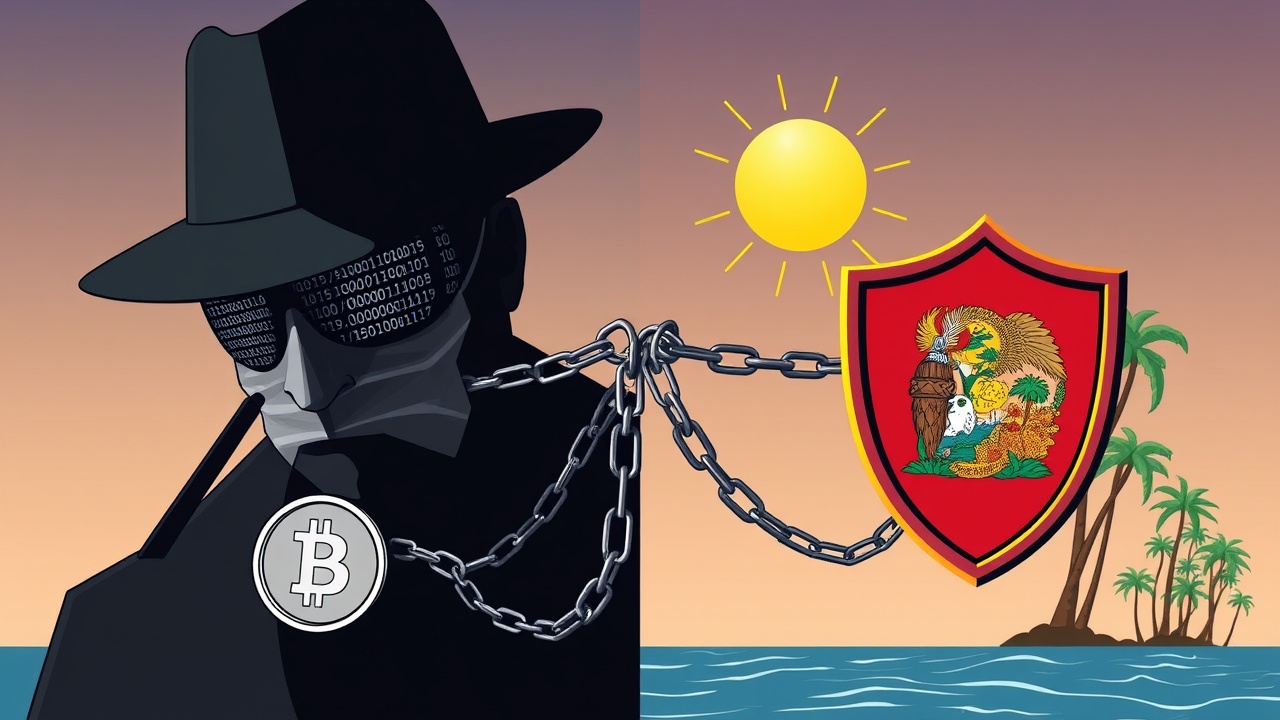
DeSantis and the CBDC Debate
As Florida Governor Ron DeSantis maneuvers to secure the Republican presidential nomination for 2024, he has painted an alarming picture regarding the potential implementation of central bank digital currencies (CBDCs). DeSantis has been vocal about his belief that a CBDC could be a tool for the federal government to impose what he terms “woke politics” on everyday Americans—suggesting risks like monitoring gas purchases and firearm transactions in the name of combating climate change. His stance against the Biden administration’s research into CBDCs dates back to a speech where he referred to it as a move toward a ‘Digital Dollar of Big Brother.’ Now, with developments in Florida under his leadership, the situation has taken a complex turn.
Legislation on Stablecoins
Just recently, legislation dubbed Bill 314 received unanimous approval from the Florida State Senate on March 6. This bill seeks to set up a regulatory framework for stablecoins in the state, enhancing Florida’s oversight of digital currencies. Stablecoins, unlike CBDCs, are private digital assets pegged to traditional currencies, typically using reserves of cash or Treasury securities to maintain their value. The new law mandates that transactions over $10,000 for stablecoins must be recorded, echoing anti-money laundering regulations, although this could present contradictions for DeSantis’s previously articulated anti-government overreach narrative.
Though it remains unclear whether he will sign this bill, a spokesperson indicated that he cannot yet comment on how it might conflict with his earlier position on CBDCs. His immediate past saw him prohibit the establishment of a centralized digital dollar in Florida, reinforcing his stance against federal digital currency initiatives.
Support and Criticism
State Senator Colleen Burton, who championed Bill 314, emphasized the urgency to implement these regulations before a mid-year deadline that allows states to seek independent authority over stablecoin regulation. She noted,
“We’re not looking to get our application rejected,”
indicating a proactive approach to align with potential federal rulings concerning digital currencies.
Empowered by this legislation, Florida’s Office of Financial Regulation could become a key player in the state’s digital asset landscape, able to enforce compliance and take action against misconduct. In a prior report, the Office acknowledged the challenges associated with seizing digital assets, especially due to the private nature of crypto wallets, yet highlighted steps taken by some companies to cooperate with law enforcement.
Critics, including analysts from the Cato Institute, caution against the paradox of political figures rejecting CBDCs while simultaneously supporting legislative measures that could result in heightened financial oversight and control. Nicholas Anthony of Cato noted that DeSantis’s support for this stablecoin framework presents a conundrum for a politician whose campaign has prioritized fighting government intrusion.
Broader Implications
Amidst ongoing discussions, figures like former Representative Marjorie Taylor Greene and Senator Ted Cruz have echoed similar concerns about government overreach in financial systems. Cruz has championed a legislative effort to permanently ban CBDCs, articulating that temporary halts on their development, such as those included in a recent housing bill, do not address the broader implications of government interference in individual financial autonomy.
Evolving discussions and actions around digital currencies illustrate a broader debate within American politics, particularly as the lines blur between safeguarding individual rights and allowing regulatory frameworks to take shape in the burgeoning world of digital finance.