Potential Integration of XRP into SWIFT
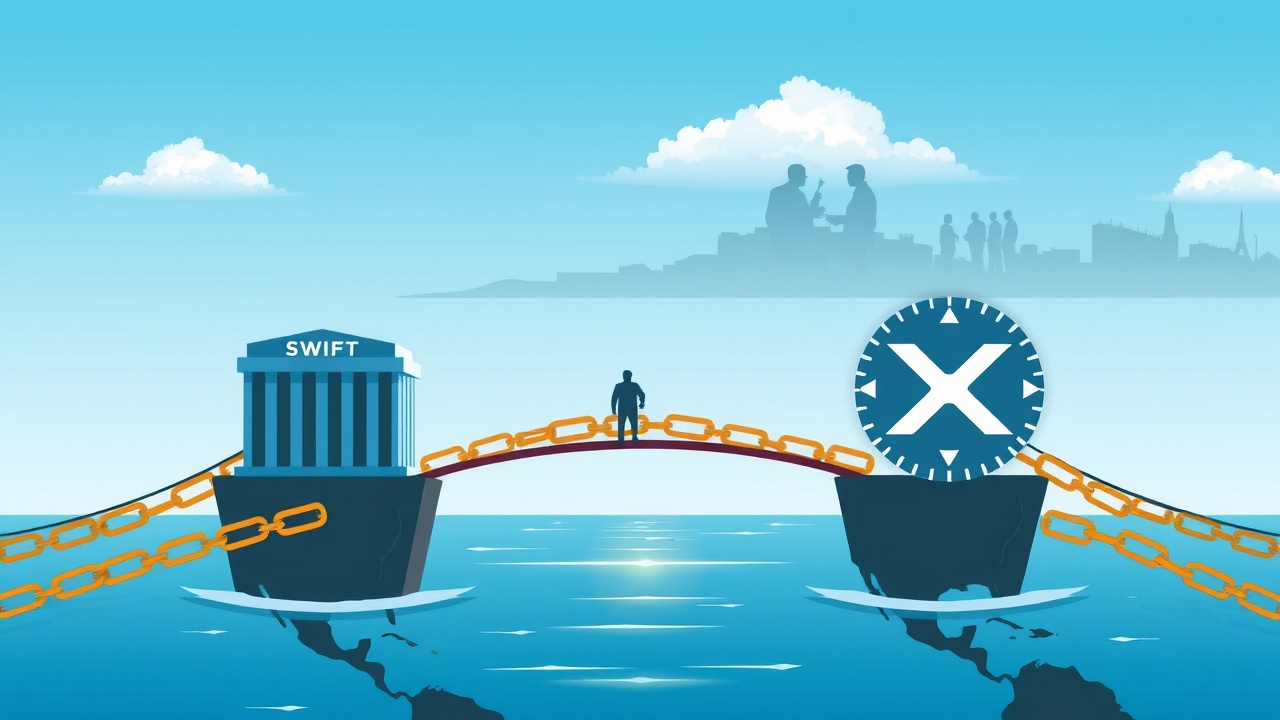
A prominent cryptocurrency analyst, known by the name SMQKE, has observed a significant shift in the financial sector—specifically, the potential assimilation of cryptocurrencies such as XRP by SWIFT as clarity around regulations improves. Former SWIFT Chief Executive Gottfried Leibbrandt underscored both the potential advantages and the hurdles associated with incorporating digital currencies into the existing financial infrastructure.
Challenges and Opportunities
Leibbrandt pointed out that a crucial element of Ripple’s appeal lies in its cryptocurrency, XRP. However, he also recognized the reluctance among banks to fully embrace it due to the inherent volatility associated with digital currencies.
This cautious attitude from SWIFT reflects a broader trend among financial institutions worldwide, where the prospect for more rapid and cost-effective international transactions is often countered by concerns over fluctuating asset values. The hesitance primarily stems from unresolved legal issues surrounding cryptocurrencies like XRP. As countries continue to refine their regulatory frameworks, conservative banks remain cautious, weighing potential legal risks against possible operational advantages.
Future of Digital Currency Adoption
Experts in the field argue that until there is a more defined regulatory landscape, the likelihood of widespread digital currency adoption among banks remains slim. Nevertheless, despite these challenges regarding regulation and market volatility, the integration of crypto into traditional finance is on the rise. XRP, designed specifically for cross-border payment solutions, offers benefits such as expedited transactions, reduced fees, and improved transparency in contrast to traditional banking methods.
SWIFT’s Monitoring of Cryptocurrency Developments
Leibbrandt mentioned that SWIFT is keeping a close eye on developments within the cryptocurrency realm. The organization may consider leveraging XRP once regulatory environments stabilize and market volatility diminishes, particularly as initiatives like the Crypto Clarity & Market Structure Bills advance. With the maturation of the ecosystem, leveraging digital currencies may evolve from merely a technological enhancement to an essential strategy for banks aiming to maintain a competitive edge.
Conclusion
In summary, while the integration of XRP into SWIFT’s offerings hinges on clearer regulations and a stabilized market, this transition could be revolutionary. It stands to combine the efficiencies of cryptocurrency with the traditional banking framework, paving the way for significantly faster, more affordable, and transparent international payment processes. As regulatory conditions enhance, this shift could represent a major move towards the mainstream acceptance of digital assets, placing XRP at the forefront of future global transactional systems.