House Financial Services Committee Hearing on Tokenization
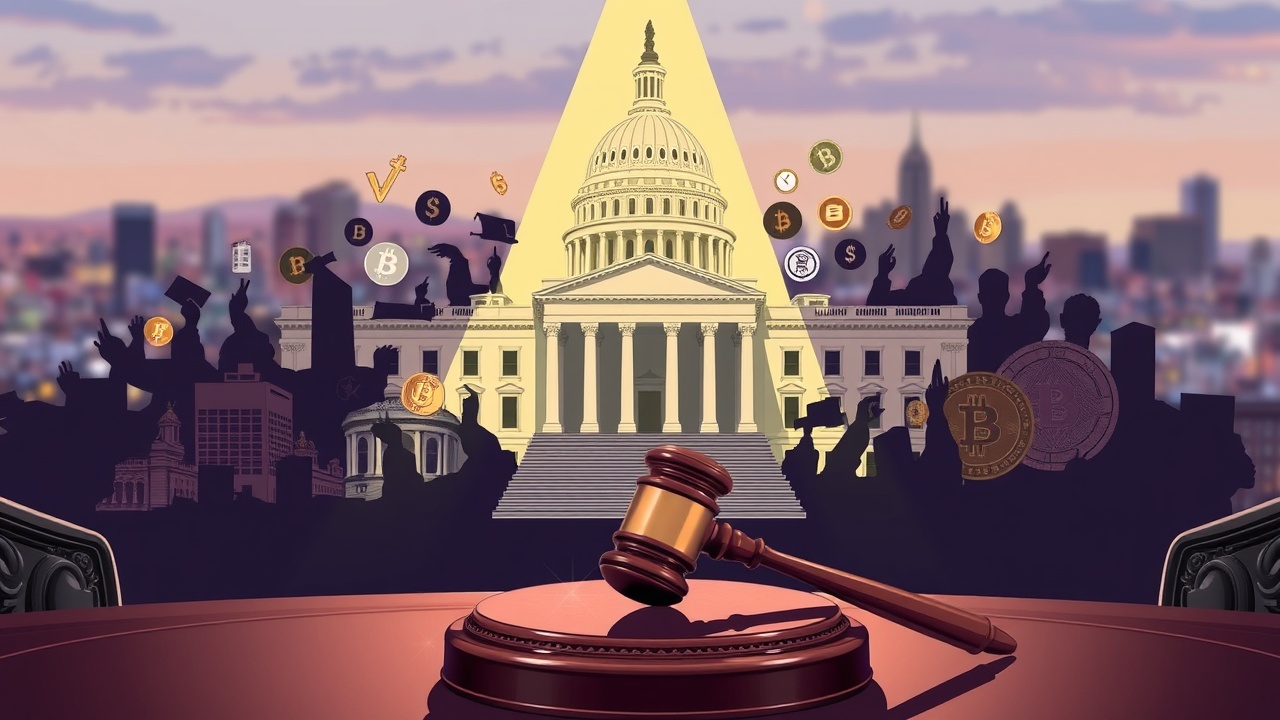
On Wednesday, the House Financial Services Committee will delve into the topic of tokenization, as various exchanges, market operators, and regulatory bodies look to progress their initiatives aimed at integrating stocks, bonds, and other securities into blockchain technology. Although the Committee’s agenda suggests a specific focus, the discussions will cover crucial legislative proposals which could shape the future of tokenized securities.
Proposed Legislative Changes
One proposed bill emphasizes a collaborative study by the SEC and CFTC to understand better the landscape of tokenized securities and derivatives, while another seeks to permit selected regulated firms to maintain blockchain-based records under forthcoming SEC regulations.
This examination comes on the heels of a notable shift in the regulatory treatment of tokenization and crypto assets. Back in January, the SEC clarified that tokenized stocks and bonds are still governed by established securities laws, even if their records are maintained on blockchain networks. Just recently, the agency updated its crypto asset framework, categorizing the majority of crypto assets outside of securities laws, while firmly placing tokenized securities under its jurisdiction.
Additionally, a recent agreement between the SEC and CFTC suggests a proactive approach by regulators to unify oversight as Congress considers these pressing issues.
Market Activity and Stakeholder Perspectives
Market activity amplifies the significance of this discourse, with tokenization efforts led by major players like Nasdaq, NYSE, and the DTCC progressing rapidly. The materials for the upcoming hearing indicate that lawmakers will primarily focus on integrating tokenized financial products into the current market regulatory framework.
Austin Campbell, founder of crypto risk advisory firm Zero Knowledge, remarked that this hearing is merely a part of a broader ongoing dialogue regarding the evolving landscape of financial markets. He pointed out lawmakers’ intentions to discuss current market realities, regulatory requirements, and future frameworks.
The hearing is expected to feature representatives from Wall Street, market infrastructure, and the crypto sector, with entities such as SIFMA, the Blockchain Association, DTCC, and Nasdaq set to give testimony.
Concerns Over Representation and Regulatory Gaps
However, critics note that the panel is predominantly comprised of industry veterans and trade associations, which may limit the scope of the discussions to the interests of established players. Andrew Rossow, a public affairs attorney, highlighted that the absence of consumer advocates, independent academics, or representatives from decentralized finance (DeFi) protocols from the witness list could constrain the examination of critical regulatory issues.
This gap becomes critical as lawmakers navigate the classification of tokenized financial products, a topic complicated by existing legal frameworks like the Howey Test, which was not constructed to address assets that can serve as both securities and payment mechanisms.
Rossow also cautioned that the proposed legislation, while appearing to be straightforward and operationally focused, is far more complex and disputed when it comes to stipulating the reliability of blockchain records and managing potential failures inherent to the technology, such as lost private keys or blockchain reorganizations.
Legal Questions and Future Implications
Notably, neither of the proposed bills tackles what Rossow identified as a pivotal legal question regarding the security classification of tokenized assets. Furthermore, key investor risks associated with potential software flaws, unexpected updates, and blockchain reorganizations seem to be overlooked in the current legislative draft.
This comprehensive examination highlights the intricacies involved in regulating the fast-evolving domain of tokenization and could impact future policies as the market continues to adapt to technological advancements.