IMF Calls for Enhanced Regulation of Brazil’s Stablecoin Sector
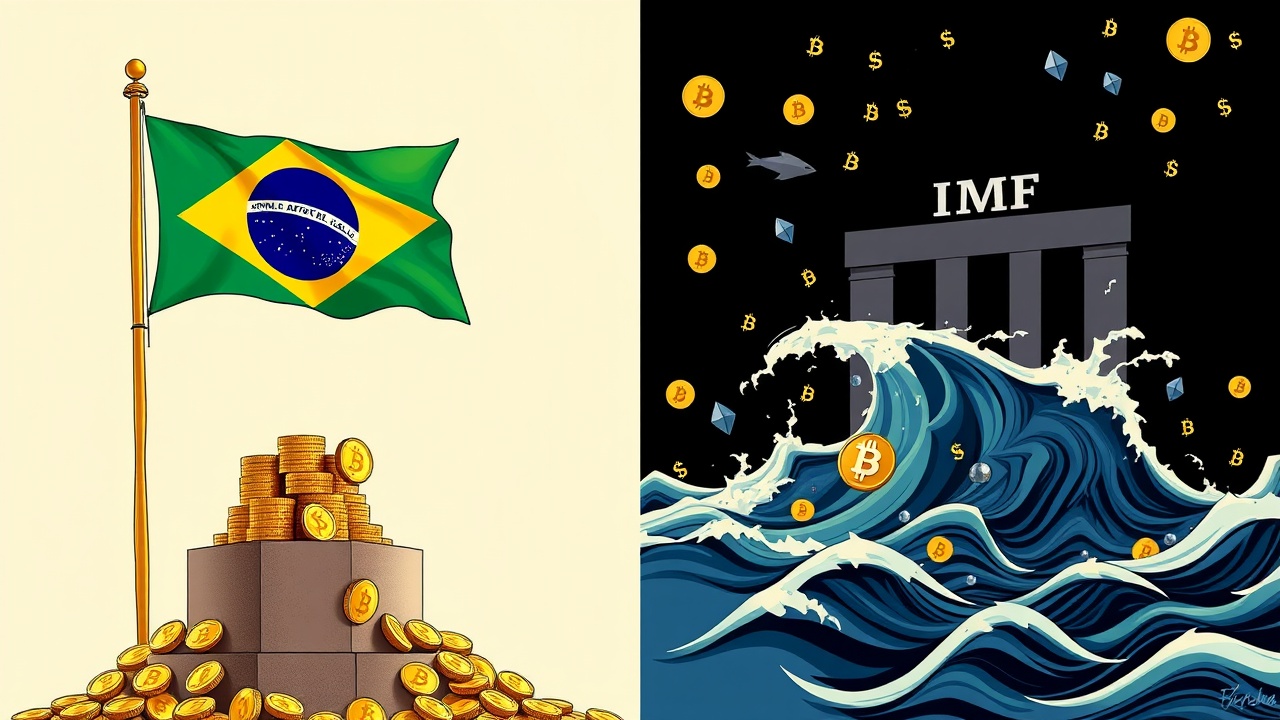
The International Monetary Fund (IMF) has emphasized the need for enhanced regulation of Brazil’s stablecoin sector, highlighting that cross-border cryptocurrency transactions are surging ahead of traditional capital flows. Since 2017, Brazil’s cryptocurrency market has seen significant growth, predominantly fueled by stablecoins pegged to the U.S. dollar.
Financial System Stability Assessment
In its recent Financial System Stability Assessment, the IMF noted that the rise in these digital assets warrants stricter regulatory scrutiny, especially as they increasingly intertwine with Brazil’s broader financial system. One of the report’s main points indicates that the purchase behavior of stablecoins is considerably more reactive to global financial disruptions compared to methods like portfolio investments or foreign direct investments. Specifically, stablecoin acquisitions are reportedly two to three times more influenced by external market fluctuations, prompting concerns about the rapid transmission of market volatility through these cryptocurrencies.
Brazil’s Leadership in Cryptocurrency
Brazil has established itself as a leader in cryptocurrency activity, particularly with stablecoins representing a major share of the market. The IMF further acknowledged that the country’s crypto landscape is becoming more intricately linked to the traditional banking sector, underscoring the urgent need for effective regulatory measures as crypto adoption continues to rise.
Regulatory Gaps and Recommendations
Banco Central do Brasil (BCB) has already undertaken initiatives aimed at regulating crypto asset service providers. Nevertheless, the IMF posits that there are still significant gaps that must be addressed. Key areas identified for improvement include:
- Consumer asset protection
- Regulations governing stablecoin issuance
- Adherence to anti-money laundering (AML) and counter-terrorist financing (CFT) standards
Interestingly, the IMF’s analysis did not advocate for outright restrictions on stablecoins but rather proposed that Brazil enhance its regulatory framework in light of the increasing integration of crypto markets with existing financial mechanisms. Among its findings, the report stated that the movement of cryptocurrencies across borders is accelerating at a pace greater than that of traditional capital flows.
Volatility and Risks of Stablecoins
The IMF suggested that stablecoin transactions tend to exhibit heightened volatility during global economic stress, elevating the risks associated with capital movements via cryptocurrencies. Concerns particularly relate to the dominance of U.S. dollar-pegged stablecoins in Brazil’s crypto landscape. Recent statements from BCB Governor Gabriel Galípolo indicate that approximately 90% of Brazil’s reported crypto transactions involve stablecoins, and regulators are vigilant regarding potential risks involving taxation, money laundering, and reserve management.
New Regulations and Transitional Measures
These recommendations from the IMF coincide with the introduction of new regulations in Brazil, which govern the interaction of digital assets with the country’s controlled foreign exchange ecosystem. In April, the Central Bank issued Resolution BCB No. 561 to modify the rules governing electronic foreign exchange (eFX) providers. This newly updated framework mandates that transactions between regulated eFX services and foreign entities occur through foreign exchange mechanisms or be executed within non-resident accounts in Brazilian reais.
This regulation specifically restricts the use of virtual currencies for settling transactions within supervised cross-border payment channels while leaving a wider berth for crypto trading and stablecoin transfers outside of these formal frameworks.
Existing firms operating without authorization as eFX providers can continue their businesses under transitional regulations, provided they seek approval from the central bank by May 31, 2027, although they must still adhere to settlement regulations during the interim.
Concerns Over Off-shore Stablecoins
Additionally, previous proposals have scrutinized stablecoins not governed by the central bank. In comments directed toward Brazil’s Congress, the BCB expressed concerns over off-shore issued stablecoins, particularly real-denominated tokens that elude its supervision, as they may threaten monetary sovereignty and disrupt regulatory consistency in capital flows.
Integration of Stablecoins in Domestic Payments
Despite this mounting regulatory scrutiny, the stablecoin market is penetrating Brazil’s domestic payment landscape. For instance, Oobit, a payment solution backed by Tether, has integrated with Pix, enabling users to deposit Brazilian reais, hold USDT, and make transactions through the Pix network using QR codes. This reflects how dollar-pegged stablecoins can coexist alongside Brazil’s popular instant payment framework without displacing it.
Conclusion
The IMF’s latest assessment emerges amid growing trade tensions between Brazil and the United States, which have brought attention to the country’s financial systems. A Section 301 inquiry from the U.S. Trade Representative referenced Brazil’s Pix payment system for alleged unfair practices against U.S. electronic payment services, although any resulting tariffs were primarily imposed on Brazilian imports rather than targeting the payment system itself.