Injective Seeks SEC Registration as Transfer Agent
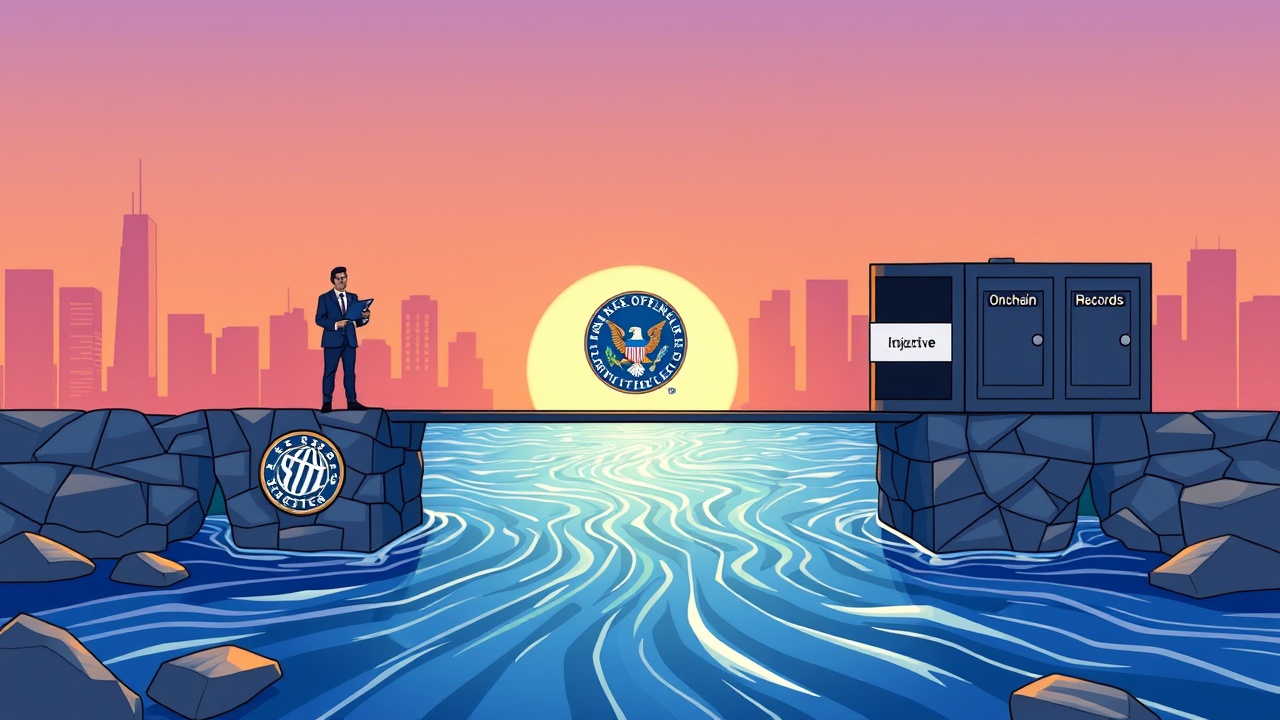
Injective has officially sought registration as a transfer agent with the U.S. Securities and Exchange Commission (SEC), aiming to create a regulated framework to manage ownership records for tokenized securities using blockchain technology. The blockchain-centric initiative announced this development on its X account on July 16, signaling a strategic effort to align with regulated systems governing the ownership of securities. However, the specific legal entity that submitted the application has not been disclosed, and an actual filing corresponding to this announcement was not found in the SEC’s publicly accessible documents at the time of this report.
Role of Transfer Agents
Transfer agents play a vital role in the U.S. securities market, performing essential functions such as documenting ownership transitions, maintaining records of security holders, and managing administrative tasks on behalf of issuers. According to SEC mandates, any transfer agent is required to register with the relevant regulatory body before engaging in transfer agent operations for eligible securities.
Significance of Injective’s Registration Attempt
This registration attempt by Injective is seen as a significant stride toward establishing itself as a prominent player in the blockchain domain with a pathway for issuing securities on-chain in accordance with regulatory standards. The initiative promotes the development of real-world asset (RWA) market infrastructure within the evolving New Internet Economy in the U.S. market. In a statement, Injective articulated a vision for its blockchain-based approach, asserting the necessity for “compliant ownership records on infrastructure that settles in less than a second” for tokenized securities and RWAs.
Pending SEC Approval
It’s worth noting that initiating the registration process does not equate to receiving SEC approval; that step remains pending. This move by Injective comes at a time when both blockchain enterprises and conventional financial institutions are working beyond the initial phase of merely issuing tokenized assets. Industry players are now actively exploring blockchain applications for various functions including trading data, settlement processes, collateral management, and securities administration.
Collaborations and Developments in the Industry
Recent reports highlighted the collaboration of Nasdaq and the Pyth Network, which commenced in June, to deliver Nasdaq’s TotalView order book data to blockchain applications, thereby enhancing access to institutional market data and contributing to broader efforts involving tokenized markets. Concurrently, the Depository Trust & Clearing Corporation (DTCC) is advancing its own blockchain initiatives, partnering with Chainlink on a Collateral AppChain designed to facilitate real-time collateral pricing, valuation, margining, and settlement; a system projected to launch in late 2026.
Evolving Tokenized Stock Markets
The landscape of tokenized stock markets is also evolving, with the New York Stock Exchange teaming up with Securitize to craft infrastructure for tokenized stocks and exchange-traded funds, while Nasdaq is independently pursuing regulatory frameworks for tokenization.
Future Prospects for Injective
Injective has tailored its network around decentralized finance and real-world assets, having previously collaborated with Republic in 2025 to broaden access to tokenized private-market investments. If the transfer agent application gains SEC approval, it could significantly expand Injective’s role beyond merely providing technology for the issuance or trading of tokenized assets to actively maintaining official ownership records for securities.