Iran’s Cryptocurrency Strategy
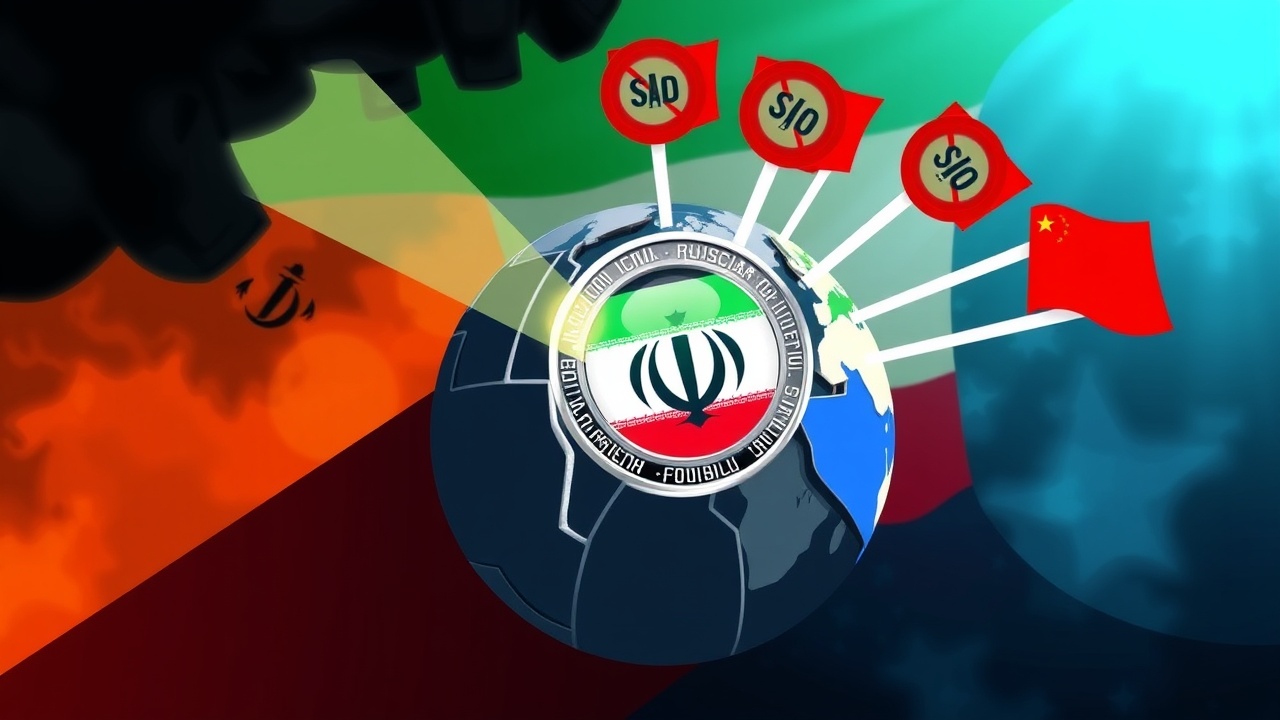
Iran is advancing its strategy to utilize cryptocurrencies for international trade as a means to evade U.S. and U.N. imposed sanctions. This initiative was highlighted during the deBlock Summit, the nation’s inaugural government-supported blockchain conference, where officials articulated the importance of digital currencies for an economy under pressure from sanctions. This push for crypto comes in the wake of a ‘snapback mechanism’ enacted by France, the U.K., and Germany in August 2025, which reinstated international sanctions against Iran.
Opportunities in Digital Currencies
During the summit, the Speaker of the Iranian Parliament, Mohammad Bagher Ghalibaf, emphasized that digital currencies create new opportunities for international trade and payment transactions.
“For independent nations, exploring these new financial channels is essential,”
he stated. He positioned the adoption of cryptocurrencies as vital for Iran’s economic endurance, indicating that relying on digital currencies for international transactions is not merely an option but a necessity.
Ghalibaf announced that the Iranian Parliament is looking forward to partnering with universities, tech companies, and researchers to enhance blockchain ventures. Furthermore, he underlined the government’s intent to attract foreign investment within the digital currency arena.
Global Tensions and Concerns
In a broader context, tensions have risen regarding cryptocurrencies and global financial systems, especially with former President Trump warning members of BRICS against forming an alternate currency system, threatened by potential hefty tariffs. Meanwhile, India’s foreign ministry expressed reservations as well, asserting that moving away from the dollar does not align with its financial strategies.
However, some experts within Iran voiced concerns regarding the country’s cryptocurrency regulations. Ehsan Mehdizadeh, the head of Iran’s leading crypto exchange, Wallex Iran, articulated during a panel discussion that the current regulations lack clarity and transparency, which hinders progress. He pointed out that for a nation under sanctions, adopting innovative financial solutions like blockchain is essential, especially noting Iran’s exclusion from the SWIFT banking system as a compelling reason to embrace digital currencies.
“Digital assets provide a means to navigate around restrictions in payment systems,”
Mehdizadeh pointed out.
Regulatory Oversight
As for oversight, the Central Bank of Iran retains exclusive authority over the cryptocurrency sector but has imposed limitations on converting the Iranian Rial into cryptocurrencies on local exchanges. Although crypto mining has received government approval, discussions continue regarding energy pricing for miners compared to residential users, as raised by Shamseddin Hosseini, Chairman of the Parliament’s Economic Committee.