Crackdown on Cryptocurrency Fraud
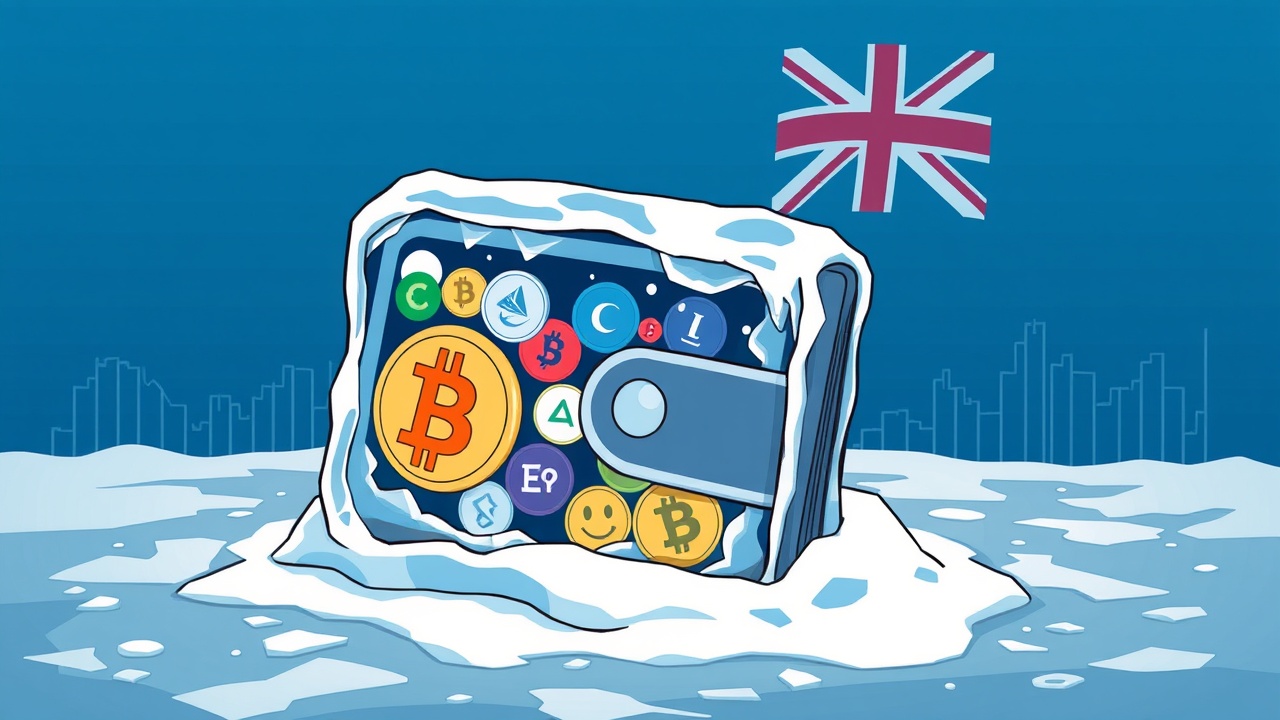
In a significant crackdown on cryptocurrency fraud, law enforcement agencies from the UK, US, and Canada have successfully frozen more than $12 million linked to scams in which victims were deceived into granting malicious access to their digital wallets. This coordinated effort, known as Operation Atlantic, was primarily spearheaded by the UK’s National Crime Agency (NCA) and involved collaboration with the U.S. Secret Service, local Ontario police, and the Ontario Securities Commission.
Details of Operation Atlantic
The operation, which took place over a week in March, targeted elaborate scams categorized as ‘approval phishing’—a scheme where attackers lure users into authorizing transactions that allow them to siphon funds directly from unsuspecting victims’ wallets.
Authorities have identified over 20,000 victims connected to these fraudulent activities, estimating the total illicit gains from related schemes to be around $45 million. In an innovative approach, the initiative aimed not only at tracing post-theft funds but also proactively sought to identify potential victims before further losses could occur.
Role of Blockchain Analytics
Chainalysis, a blockchain analytics firm that assisted in the operation, highlighted that this method is essential in combatting the emerging threat of approval phishing scams. They notably reported that the operation managed to secure and freeze around $12 million in suspected criminal proceeds while simultaneously tracking over $45 million comprising stolen cryptocurrency assets.
Private Sector Involvement
The involvement of private sector firms proved crucial in Operation Atlantic, with cryptocurrency exchange Binance notably providing on-the-ground assistance at the NCA’s London office. Binance’s Special Investigations team conducted live account assessments and offered insights into ongoing scam activities, though they noted that no funds linked to their platform were frozen during this operation.
They emphasized the severe impact of approval phishing, describing it as one of the most troubling scams afflicting the crypto community today, and praised the operation for demonstrating effective cooperation between public and private entities aimed at halting fraud at its inception.
Statements from Authorities
Miles Bonfield, Deputy Director of Investigations at the NCA, hailed the initiative as a vital step in safeguarding numerous victims across the globe while simultaneously disrupting criminal operations. He reiterated the NCA’s commitment to working collaboratively with international partners to tackle fraudsters, who often operate without boundaries.
Conclusion
Though the funds recovered represent a small fraction of the vast cryptocurrency market, the success of Operation Atlantic signifies a pivotal moment in the battle against sophisticated on-chain fraud and underscores the imperative for crypto users to remain vigilant in scrutinizing transactions they authorize themselves.