Overview of Cyber Threats by the Lazarus Group
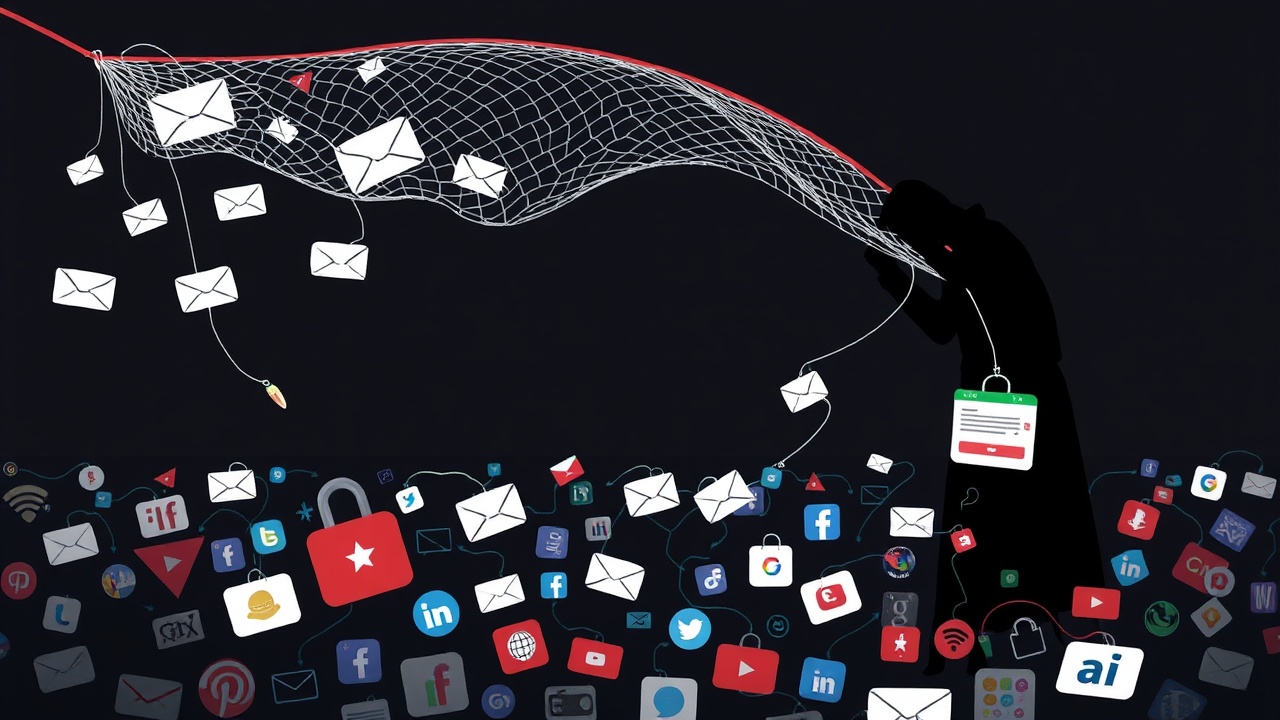
In a recent report by AhnLab, a cybersecurity firm based in South Korea, the notorious Lazarus Group—believed to be linked to the North Korean government—has been identified as a leading threat actor over the past year, particularly utilizing spear phishing techniques to siphon off funds. This specific method of cyberattack involves meticulously crafted emails, often masquerading as legitimate invitations for lectures or job interviews, to deceive their targets.
Key Findings from AhnLab’s Report
Notably, AhnLab’s November 26, 2025, “Cyber Threat Trends & 2026 Security Outlook” report highlights that the Lazarus Group has been implicated in a range of cybercrimes that extend across multiple sectors, with a significant focus on cryptocurrency. Among its high-profile exploits are the February 21 theft of $1.4 billion from Bybit and a more recent breach of South Korean crypto exchange Upbit, where $30 million was stolen.
Understanding Spear Phishing Attacks
Spear phishing attacks stand out due to their targeted nature; cybercriminals undertake research on their victims to impersonate familiar entities and gain sensitive information, install malicious software, or infiltrate secure systems. To mitigate these risks, Kaspersky, another prominent cybersecurity firm, suggests several proactive measures:
- Using a virtual private network (VPN) for online activities.
- Safeguarding personal information online.
- Confirming the legitimacy of emails through alternative contact methods.
- Implementing multi-factor or biometric authentication when possible.
The Scope of Lazarus Group’s Attacks
The scope of the Lazarus Group’s attacks has primarily included cryptocurrencies, financial institutions, IT sectors, and defense, making it a formidable adversary. Within the timeframe between October 2024 and September 2025, AhnLab reported 31 instances linking back to the group in the wake of cyber incidents, significantly more than that of other groups such as Kimsuky, which had 27 disclosures, and TA-RedAnt with 17.
Recommendations for Enhanced Cybersecurity
To bolster defenses against such sophisticated threats, AhnLab advocates for companies to establish a robust, multi-layered defense strategy that includes:
- Regular security audits.
- Timely software updates.
- Staff training on potential attack methods.
Moreover, individuals are encouraged to practice heightened vigilance by maintaining up-to-date security software, refraining from clicking on unverified URLs or attachments, and exclusively downloading from recognized sources.
Future Outlook on Cyber Threats
Looking ahead to 2026, AhnLab warns that the landscape of cyber threats will become increasingly treacherous due to the integration of artificial intelligence in the operations of cybercriminals. Hackers are already leveraging AI to generate phishing emails and websites that closely mimic legitimate ones, complicating detection efforts. The report suggests that advances in AI technology will not only enhance the efficiency of spear phishing schemes but will also pave the way for more advanced deepfake attacks. This evolution emphasizes the urgent need for heightened security measures to protect sensitive data from potential leaks and breaches.