Overview of the Pardon Controversy
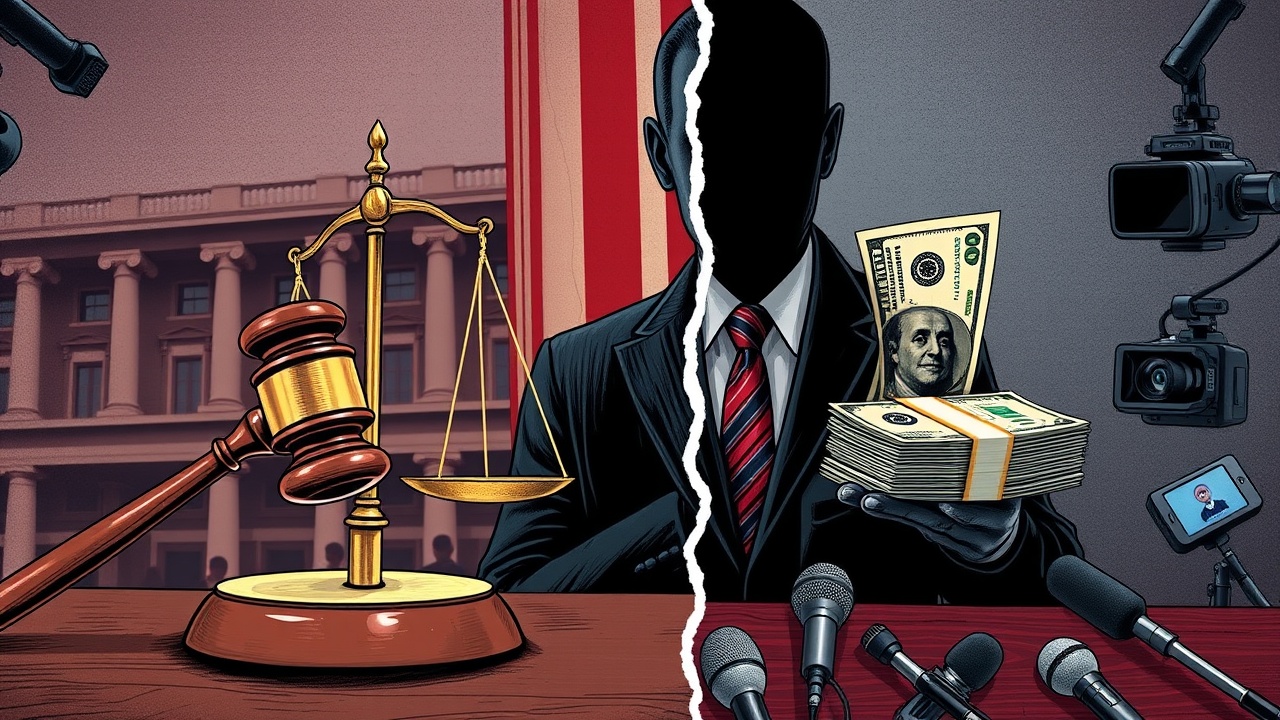
In the midst of escalating scrutiny over claims of corruption surrounding Changpeng “CZ” Zhao’s presidential pardon, attorney Teresa Goody Guillén has vigorously disputed the allegations. She characterizes the media narrative alleging pay-for-play arrangements as “false statements” based on misconceptions about blockchain technology and industry practices. The pardon, issued by former President Donald Trump in October after Zhao admitted to anti-money laundering violations, has ignited strong critiques from Democratic legislators who allege that Zhao’s ties to Trump’s family’s cryptocurrency projects undermined the integrity of the decision-making process.
Defense of Zhao’s Pardon
Guillén defended Zhao’s pardon during her recent appearance on the Pomp Podcast, stating that the legal treatment her client received was unprecedented compared to executives from traditional financial sectors who faced similar compliance issues without facing prosecution.
“He was pardoned because there was never a reason to prosecute him in the first place,”
she asserted, highlighting that his case involved no fraud or victims, and that he had no prior criminal offenses. She emphasized that the regulatory actions against Zhao were influenced by the previous administration’s aggressive stance on cryptocurrency, especially in light of the fallout from the FTX scandal.
Legal Consequences and Allegations
In November 2023, Zhao entered a guilty plea related to inadequate anti-money laundering protocols, incurring a hefty $4.3 billion settlement from Binance, with Zhao himself paying $50 million and serving a four-month prison sentence before his release in September 2024.
Guillén also addressed suspicions linking the pardon to business arrangements between Binance and World Liberty Financial—a cryptocurrency platform associated with Trump’s family—pointing out that allegations stem from misinterpretations of typical blockchain operations. Critics have identified USD1, a stablecoin by World Liberty Financial launched on Binance Smart Chain, and a $2 billion investment from Emirati firm MGX involving this token as indicative of corrupt dealings. Guillén argued that such parallels are erroneous, asserting that listing a product on an exchange does not imply a special relationship with that platform’s management.
Political Reactions and Legislative Proposals
Concerns about the implications of Zhao’s pardon have ignited a call for investigations among Democratic lawmakers. Senator Elizabeth Warren has emerged as a vocal opponent, expressing alarm over what she views as troubling connections between Zhao’s pardon request and Binance’s financial relationships with Trump’s family. Alongside other Democratic senators, she urged the Attorney General to clarify how this pardon might affect future prosecutions of corporate crimes, claiming it sends a dangerous signal that high-ranking officials can avoid accountability as long as they financially benefit the president.
Representative Maxine Waters labeled the pardon an “appalling but unsurprising” representation of Trump’s presidential conduct, highlighting the perceived prioritization of “crypto criminals” who enrich the former president while ordinary Americans struggle with rising costs amid government shutdowns. To combat the implications of such actions, Representative Ro Khanna announced intentions to propose legislation that would prohibit elected officials from owning or launching cryptocurrencies, describing the current climate as an example of glaring corruption.
Trump’s Response and Future Plans for Binance
In a surprising twist, during a recent “60 Minutes” episode, Trump distanced himself from Zhao, claiming to be unaware of his identity despite issuing the pardon, and downplayed the alleged Binance-U.S. relationship by suggesting he was “too busy” to be informed. He dismissed the prosecution as a politically motivated effort described as a “witch hunt”. White House spokeswoman Karoline Leavitt stated that the pardon had been thoroughly vetted by legal counsel and framed it as a corrective measure against what she termed heavy-handed tactics from Democrats targeting the crypto sector.
Zhao expressed his appreciation for the pardon and declared his commitment to making the U.S. a leader in cryptocurrency and advancing web3 technology globally. He emphatically denied allegations of funding Trump’s stablecoin operation, branding such claims as “misinformation” propagated by competitors. Meanwhile, with the pardon now behind him, Binance is eyeing its strategy to re-enter the U.S. market, contemplating approaches that might integrate its U.S. affiliate with its global operations or facilitate direct access for American users to its primary platform.