Introduction
In the world of cryptocurrency, discussions often center around buying and acquiring assets like Monero (XMR), while the process of selling or converting these assets back into more liquid forms receives much less scrutiny. This oversight is significant since many investors eventually seek to exchange their privacy coins for traditional cryptocurrencies, mainly Bitcoin (BTC).
The Transition from Monero to Bitcoin
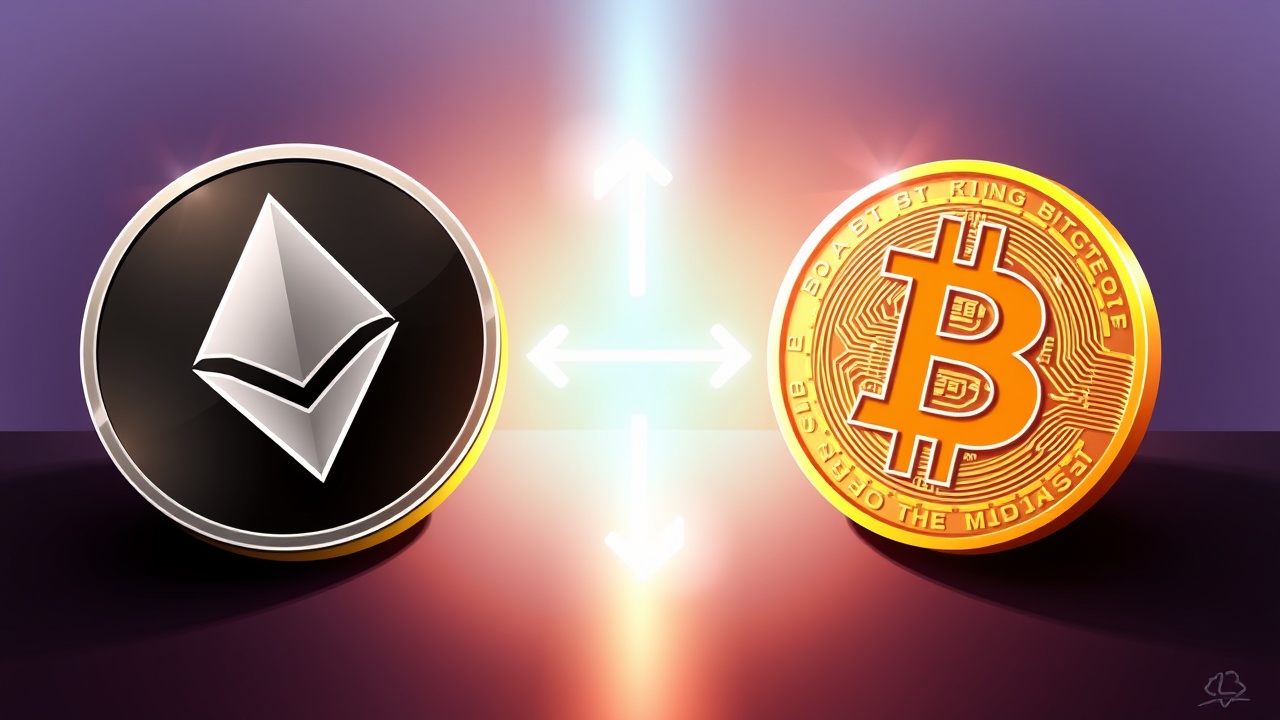
The transition from Monero to Bitcoin, although straightforward in principle, has become increasingly complicated in practice due to a considerable decline in available options after many exchanges de-listed XMR. So far, over seventy exchanges have decided to withdraw Monero since 2024, and with upcoming European regulations slated to tighten restrictions on privacy cryptocurrencies by 2027, the situation may worsen.
Investors who purchased XMR from centralized platforms a few years ago may find themselves unable to trade back into Bitcoin on the same exchange. Therefore, engaging in non-custodial swaps has emerged as the primary method of converting Monero back into Bitcoin, replacing previous mainstream practices.
Mechanics of Non-Custodial Swaps
The mechanics of this non-custodial swap are relatively simple: users select the XMR/BTC trading pair, enter a Bitcoin address to receive the funds, and transfer their Monero to the designated address for the exchange. Generally, the settlement is completed within approximately ten minutes once the transaction is confirmed on the Monero network.
Understanding Privacy and Transparency
When making this exchange, it’s important to recognize that converting Monero to Bitcoin entails transferring value from a privacy-focused platform to one that is entirely public. While the Bitcoin you end up with is located on a transparent blockchain, making its movements visible to anyone, the privacy of your original Monero transaction is maintained; that relation between the two currencies remains undisclosed.
It’s crucial to understand that the anonymity associated with Monero does not indefinitely cloak the Bitcoin output, contradicting a popular misapprehension.
Costs and Considerations
For those exploring the Monero to Bitcoin pairing, there’s usually sufficient liquidity and competitive spreads. However, users should be aware of two different costs involved: the service fees for the swap, which are disclosed upfront, and the applicable network fees for both the Monero and Bitcoin transactions. Monero fees are generally low, but Bitcoin fees can vary based on network congestion, especially for smaller transactions.
As custodial exchange options continue to dwindle, it is advisable for participants in larger trades to confirm that the estimated output amount matches the actual Bitcoin they will receive and to ensure that there are no unexpected deductions at the settlement phase.
Investor Strategies
Interestingly, many investors do not perceive their decision to convert Monero as final or irreversible. Instead, a common strategy involves maintaining a balance of Bitcoin for liquidity while periodically transferring some funds into Monero to preserve privacy for specific transactions, returning to Bitcoin when necessary for larger exchanges.
Conclusion
Both swap processes utilize the same framework, providing services like GhostSwap which facilitate seamless transitions. The ability to convert Monero back into Bitcoin remains viable via non-custodial methods, completing the round trip without the need for an exchange account. By setting a refund address, verifying destination details, and accounting for Monero’s confirmation times, users can effectively manage their trades and protect themselves against market volatility by opting for fixed rates when necessary. Though the landscape for exchanging Monero has indeed narrowed at centralized venues, it remains open through decentralized solutions.