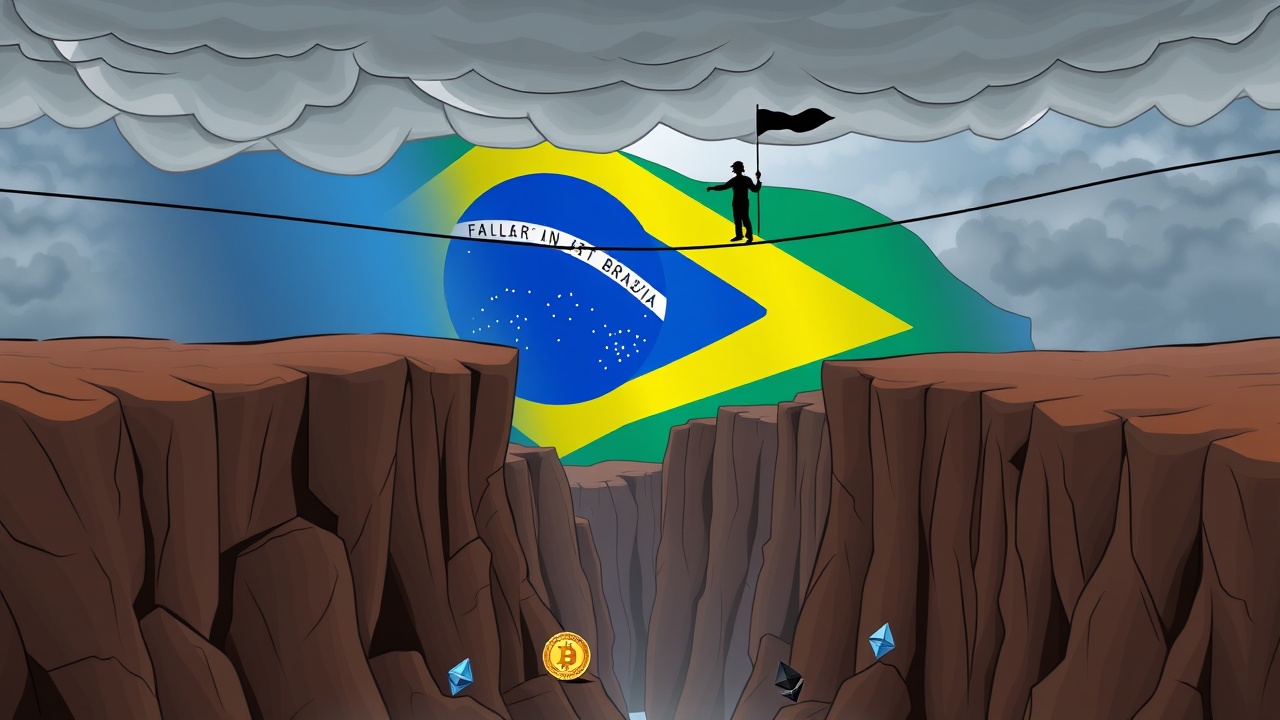
New Regulations for Crypto Service Providers in Brazil
The Central Bank of Brazil has instituted new regulations requiring independent audits for crypto service providers looking to obtain or renew their operating licenses. Under these updated guidelines, which were reported on recently, crypto companies must now submit an auditor’s report conducted by professionals accredited by Brazil’s securities regulatory body, the Comissão de Valores Mobiliários (CVM) as part of their application. This move is aimed at ensuring that these platforms have adequate compliance measures in place prior to receiving authorization from the central bank.
Scope of Independent Audits
The independent audits will scrutinize a range of critical compliance systems, such as:
- Anti-money laundering (AML) efforts
- Counter-terrorism financing (CTF) protocols
- Customer asset segregation practices
- Internal risk management strategies
- Employee compliance training
The failure to pass these audits may hinder a firm’s ability to secure operational approval, marking a significant shift from the previous reliance on company-submitted documentation alone.
Impact on Existing Platforms
For existing operational platforms within Brazil, this new audit requirement emphasizes that licensing will now be contingent on third-party assessments rather than self-reported compliance. While the central bank has not disclosed the anticipated costs associated with these audits, experts indicate that expenses can vary widely—from tens of thousands to potentially several hundred thousand dollars—depending on factors such as transaction volumes and the size of the company.
While larger exchanges might manage these additional expenses without much difficulty, smaller firms and startups are likely to experience a more significant financial strain. This heightened scrutiny comes as Brazil enhances its regulatory framework surrounding virtual assets, which began to take shape in 2022 when the government established its first legal framework for digital currencies.
Evolution of Regulatory Framework
Just a year later, regulatory authority was centralized in the Central Bank for overseeing crypto service providers. In 2025, additional regulations were introduced that targeted custody standards, AML compliance, stablecoin regulations, and corporate governance measures, with an adaptation period extended to existing providers until October 2026. The introduction of independent audits represents the latest development in a comprehensive regulatory landscape that now includes various compliance checks and oversight mechanisms.
Brazil’s Position in the Global Crypto Market
Despite the tightening regulations, Brazil remains a key market for global crypto exchanges, contributing significantly to the digital asset sector. A report from Chainalysis highlighted that the country processed $318 billion in crypto transactions during 2024 and 2025, solidifying its position as one of the foremost players in the world of digital assets. However, it is noteworthy that these regulatory changes come at a time when the global cryptocurrency market is experiencing volatility, as Bitcoin has reportedly seen a drop of over 10% recently, trading at approximately $68,960 at the time of reporting.