Introduction to OUSD
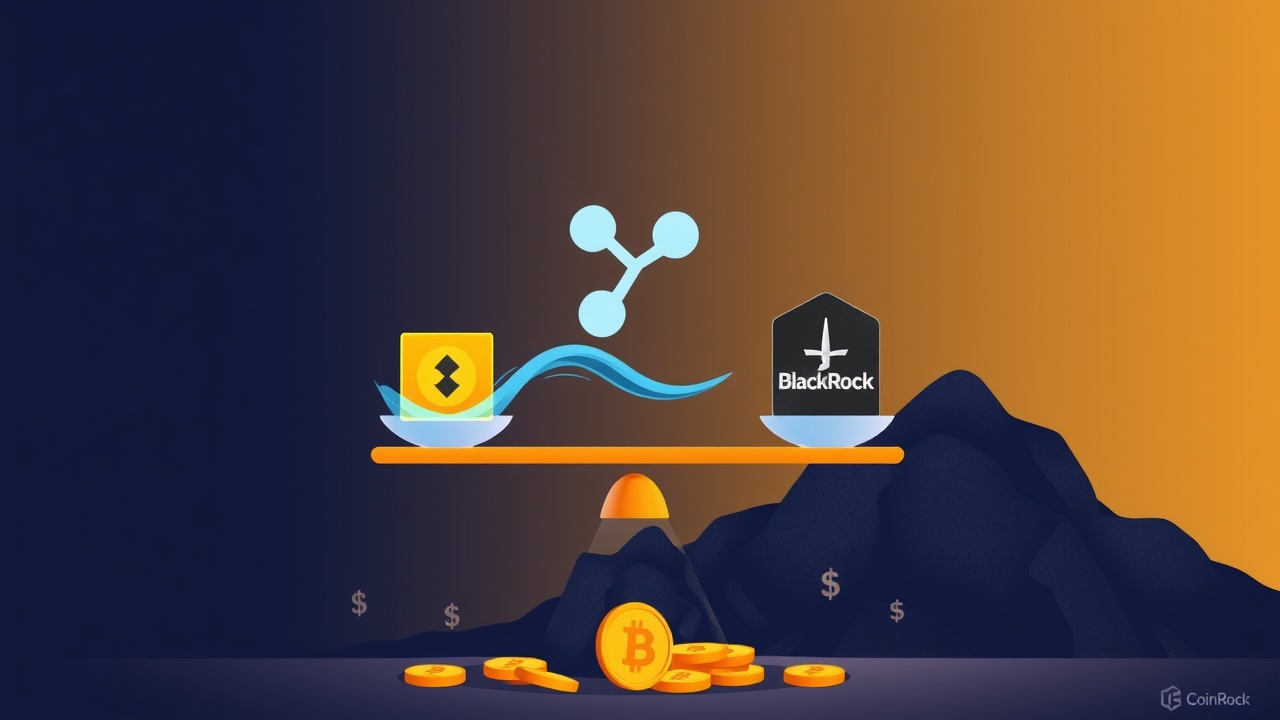
In an innovative venture that aims to reshape the stablecoin landscape, a consortium of notable financial entities, including BlackRock, Coinbase, Ripple, and Mastercard, has teamed up to introduce OUSD—a new stablecoin designed to share revenue from reserve assets with its partner institutions. The anticipated rollout of OUSD is set for later this year, with a unique governance approach that incorporates collective decision-making among participating firms rather than relying solely on a single issuer.
Challenges Addressed by OUSD
Open Standard, the organization behind OUSD, aims to tackle significant challenges that businesses face when integrating stablecoins into their operations. Many existing stablecoins impose substantial fees on large-scale minting and redemption, and companies typically see little benefit from the income derived from the underlying reserves. OUSD intends to change this by allowing partners to mint and redeem tokens without incurring transaction fees or volume limits.
Once operational costs are covered by a minimal management fee, any reserve income will be distributed among partners that participate in the governance of the stablecoin through a collaborative board.
Decentralized Launch and Governance
Further supporting the decentralized ethos, OUSD is set to launch on major layer-1 blockchains, including Solana and Tempo, with Solana confirming its native support right from the start. This aligns with the broader intentions of creating a governance model that reflects the interests of multiple stakeholders.
Industry Trends and Collaborations
The consortium reflects a growing trend among financial institutions to innovate and expand the practical utility of cryptocurrencies in traditional markets. Last month, similar companies, including Ripple and Coinbase, actively joined forces in endorsing Mastercard’s AI-driven payment system that utilizes stablecoins for transactions conducted by AI agents.
Ripple has also been advancing the XRP Ledger‘s infrastructure, proposing a lending protocol aimed at enabling institutions to borrow digital assets without divesting their holdings, thereby enhancing the liquidity and utility of tokenized assets such as U.S. Treasuries and stablecoins.
Expert Insights
Samara Cohen, who serves as BlackRock’s Global Head of Market Development, expressed optimism regarding the potential of stablecoins supported by reliable infrastructure and practical uses. Cohen noted that Open USD is a significant move toward empowering businesses with greater flexibility in navigating tokenized resources within digital ecosystems.
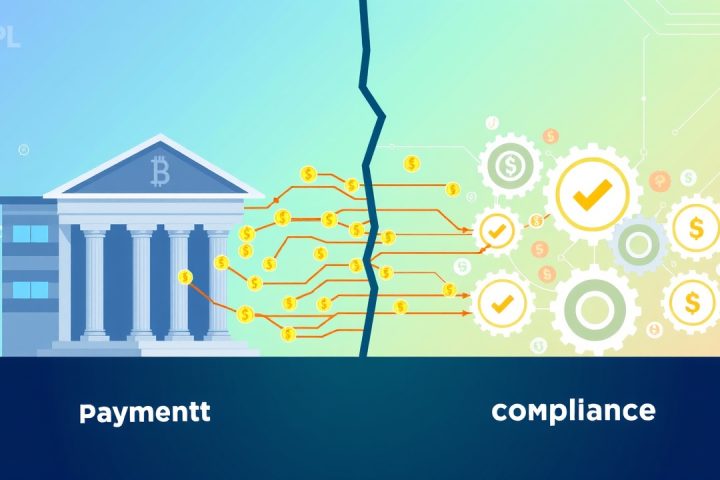
Meanwhile, Shan Aggarwal, Coinbase’s Chief Business Officer, emphasized the importance of stablecoins in payments, suggesting that advancements in shared infrastructure could bridge the gap between existing payment systems and what blockchain technology can offer.
Conclusion
As OUSD prepares for its launch, it enters a burgeoning market where institutional stablecoins are not only focusing on payment and settlement functionalities but are also introducing innovative models that include governance participation and revenue-sharing opportunities tailored for large-scale financial entities.