Insights on Bitcoin by Nick Szabo
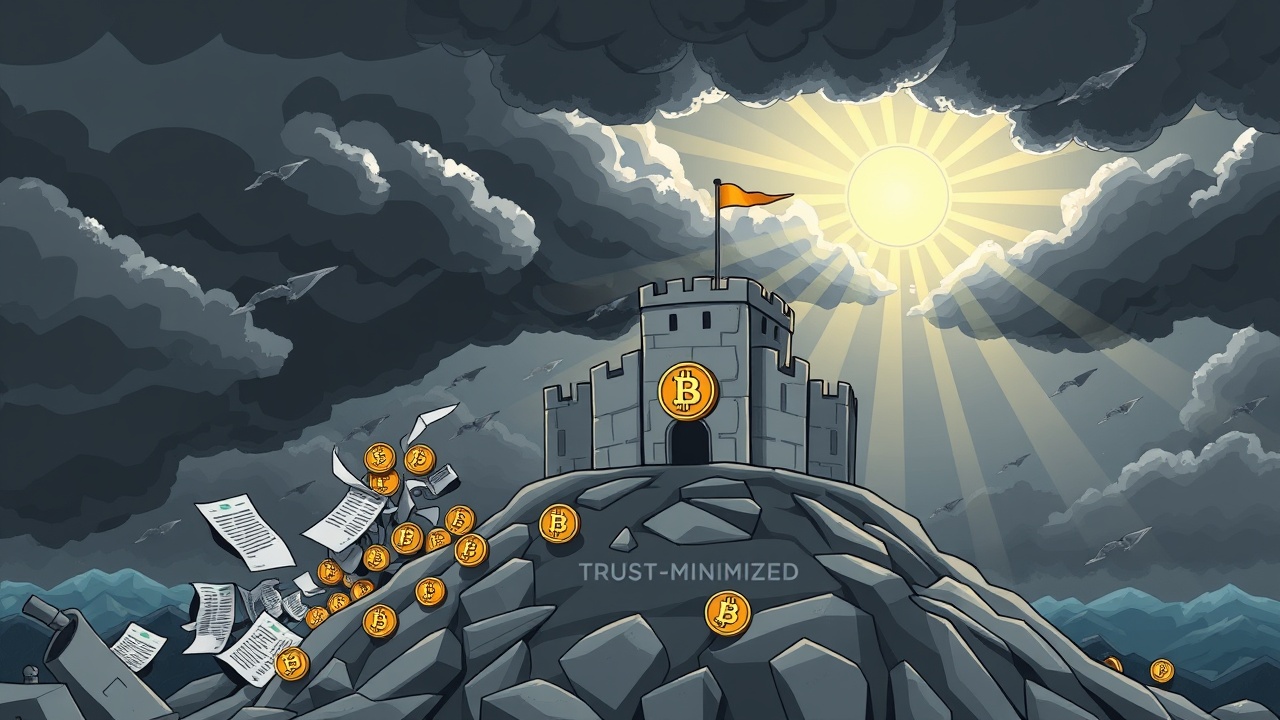
Nick Szabo, a prominent figure in computer science and legal scholarship, has shared his insights on Bitcoin, suggesting it should be viewed as a form of “trust-minimized insurance.” He emphasizes that the most prudent individuals will retain their Bitcoin through self-custody, allowing them to safeguard this asset from potential disruptions.
“Those who understand economic history know that extreme events are conceivable, and holding Bitcoin directly protects against them,”
he stated.
Bitcoin vs. Traditional Financial Institutions
In contrast to traditional financial institutions like banks and governments that necessitate reliance on third parties, Bitcoin operates without such dependencies. By self-custodying Bitcoin, individuals eliminate the risk of external seizure or devaluation through inflation, which can alter the value of fiat currencies like the US dollar or the euro. In this light, Bitcoin emerges as a safeguard against severe economic crises.
Responses to Fred Krueger’s Perspectives
Szabo’s comments come in response to Fred Krueger, who classified Bitcoin futures into two perspectives. One viewpoint, dubbed the “dark side” school, warns that Bitcoin could be compromised, manipulated, or overly regulated, thus eroding user trust in organizations or wrapped financial solutions. Conversely, the “Joe” school envisions Bitcoin as a powerful monetary instrument that integrates seamlessly into banking systems, facilitated by various custody methods and financial products while still upholding trust-minimization principles through meticulous structuring.
The Importance of Self-Custody
Although Szabo aligns himself with the “Joe” perspective, he remains firm on the necessity of self-custodying Bitcoin as the primary means of achieving a truly trust-minimized safeguard. He argues that even if Bitcoin becomes incorporated into the financial services sector, individuals should still consider maintaining personal holdings. This approach endorses a hybrid financial strategy whereby institutions incorporate low-risk Bitcoin as a buffer against the dilution of fiat currencies due to demographic changes, while individuals protect themselves against hyperinflation or a potential economic breakdown by holding their Bitcoin directly.