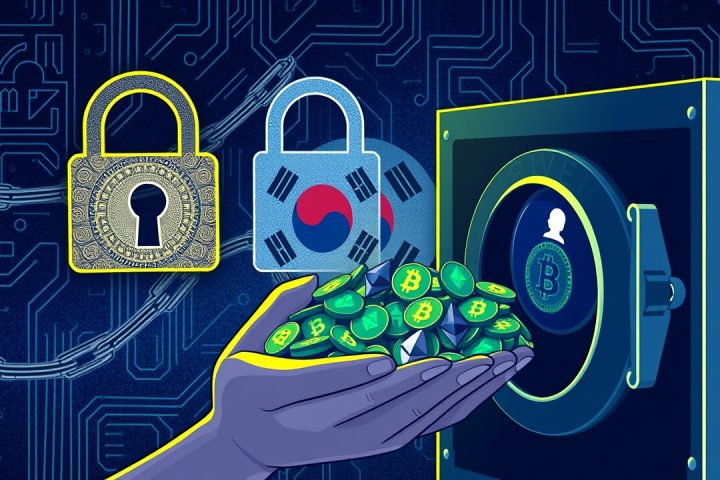
Historic Theft in Cryptocurrency Sector
In an alarming development for the cryptocurrency sector, hackers with ties to North Korea executed a historic theft in 2025, pilfering an astonishing $2.02 billion worth of cryptocurrency. This figure represents a staggering 51% increase compared to the previous year, as detailed by the analytical platform Coin Bureau. Even as the overall count of cyber attacks dipped, the North Korean cybercriminals zeroed in on fewer but more lucrative attacks, including a significant breach of the Bybit platform that alone accounted for $1.5 billion in losses.
Rise in Cumulative Theft
This latest data brings the cumulative amount of cryptocurrency stolen by these actors to an estimated $6.75 billion, solidifying their status as the most active perpetrators in the realm of global crypto theft. Not only did the hackers secure larger sums, but they also demonstrated enhanced strategy and sophistication in their tactics. By integrating IT insiders within cryptocurrency firms and utilizing social engineering techniques to gain privileged access, they notably improved their success rate.
Tactical Evolution of Cyber Attacks
Instead of spreading resources thin over various minor hacks, these state-sponsored groups concentrated their efforts on high-impact service infiltrations, which resulted in approximately 76% of all service-level crypto thefts last year. This tactical evolution towards fewer but much more profitable breaches underscores a critical reality: substantial financial windfalls can stem from just a handful of successful attacks.
Money Laundering Techniques
Moreover, the North Korean operatives have made extensive use of sophisticated laundering methods through mixers and cross-chain bridges, cleverly masking the trajectories of their illicitly acquired funds over time.
Threats to the Cryptocurrency Industry
The considerable $2 billion theft accentuates the ongoing and significant threat posed by nation-state hackers to the cryptocurrency industry. The vulnerabilities evident in centralized exchanges and custodial services reveal systemic flaws within the crypto ecosystem, which are exposed by such massive thefts. In response, the cryptocurrency community—encompassing regulators, exchanges, and analytics companies—is actively bolstering defenses. Initiatives include enhanced on-chain monitoring, stricter compliance measures, and improved collaboration with law enforcement agencies.
Challenges Ahead
However, the operations conducted by North Korean groups highlight a stark reality: the regime’s continued financial needs to circumvent sanctions facilitate their persistent operations. This underscores the complex challenge of securing a decentralized financial system against well-resourced and politically motivated adversaries. As cyber threats escalate, there is an urgent demand for more robust security strategies, global collaboration, and anticipatory risk management to protect the expanding cryptocurrency landscape from such determined entities.