Significant Shift in Cryptocurrency Regulation
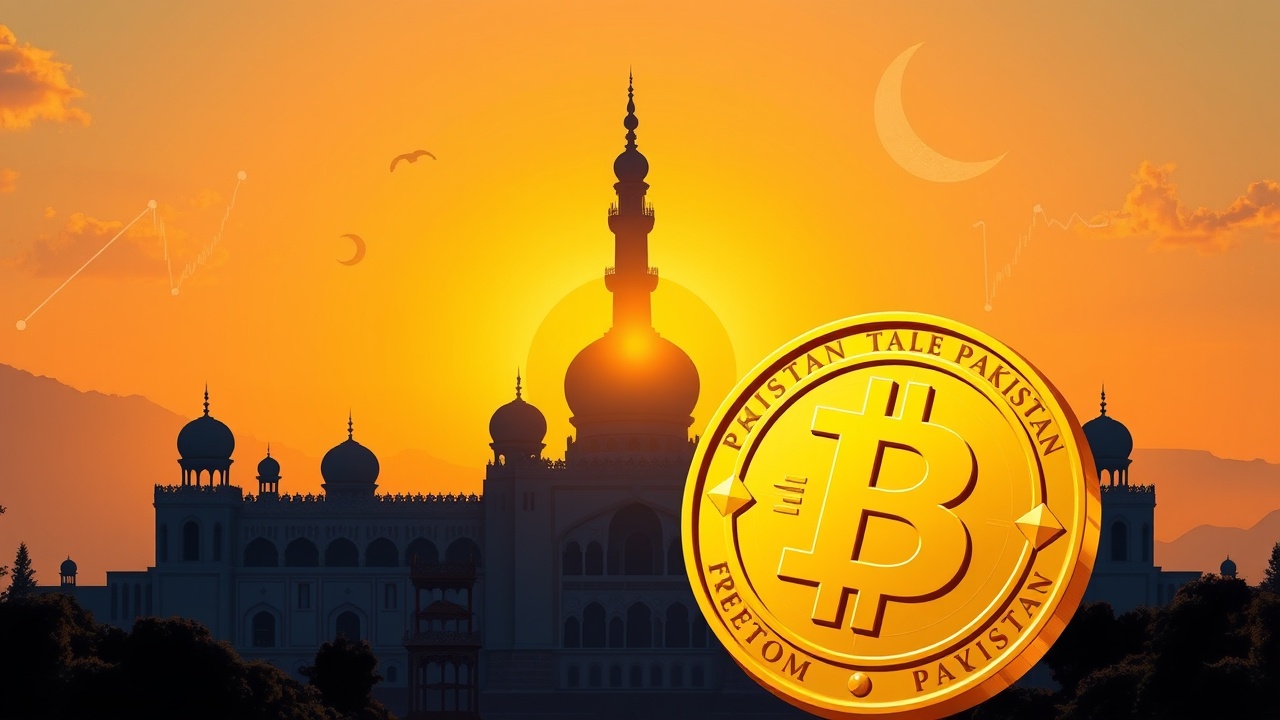
The State Bank of Pakistan (SBP) has made a significant shift in its approach to the cryptocurrency sector by lifting an eight-year ban that restricted banks from engaging with digital currencies. This policy change, officially enacted on April 14, 2026, permits banks to open accounts for licensed virtual asset service providers (VASPs) registered with the Pakistan Virtual Assets Regulatory Authority (PVARA). The decision is a direct result of the recent enactment of the Virtual Assets Act 2026, which has replaced the stringent regulations imposed since the complete prohibition in 2018.
Regulatory Parameters and Risk Mitigation
Despite this newfound allowance, the SBP has laid down specific parameters to mitigate risks associated with digital assets. Banks are explicitly forbidden from utilizing their own funds or customer deposits to engage in trading or investment activities involving virtual currencies. Their role is strictly limited to facilitating services for licensed firms, without entering the market as direct participants.
To protect public funds, financial institutions must now utilize Client Money Accounts (CMAs). These accounts, denominated in Pakistan Rupees, are designed to keep customer money completely separate from the operational funds of VASPs, thereby minimizing the risk of fund commingling. Furthermore, the SBP has reiterated that agreements with VASPs do not exempt banks from adhering to national laws regarding foreign exchange and anti-money laundering measures.
Due Diligence and Monitoring Requirements
Banks are required to perform comprehensive due diligence on each licensed provider, necessitating verification of PVARA credentials and consistent monitoring of the relationship. In instances where activity raises red flags related to suspicious transactions, banks are obligated to promptly inform Pakistan’s Financial Monitoring Unit.
Future Prospects and Technological Integration
This regulatory reform is the culmination of extensive groundwork laid over recent years, including dialogues with major global exchanges such as Binance and HTX, initiated in late 2025, aimed at enhancing the country’s trading ecosystem. The Pakistani government is not stopping at retail trading; it is also exploring the integration of blockchain technology within public services and is actively investigating the adoption of stablecoins to improve efficiency in cross-border payment systems.
The transition marks a significant milestone in Pakistan’s regulatory landscape regarding digital assets, and it reflects a broader trend toward accepting and regulating innovative financial technologies.