Stablecoins: A Key Discussion at Binance Blockchain Week
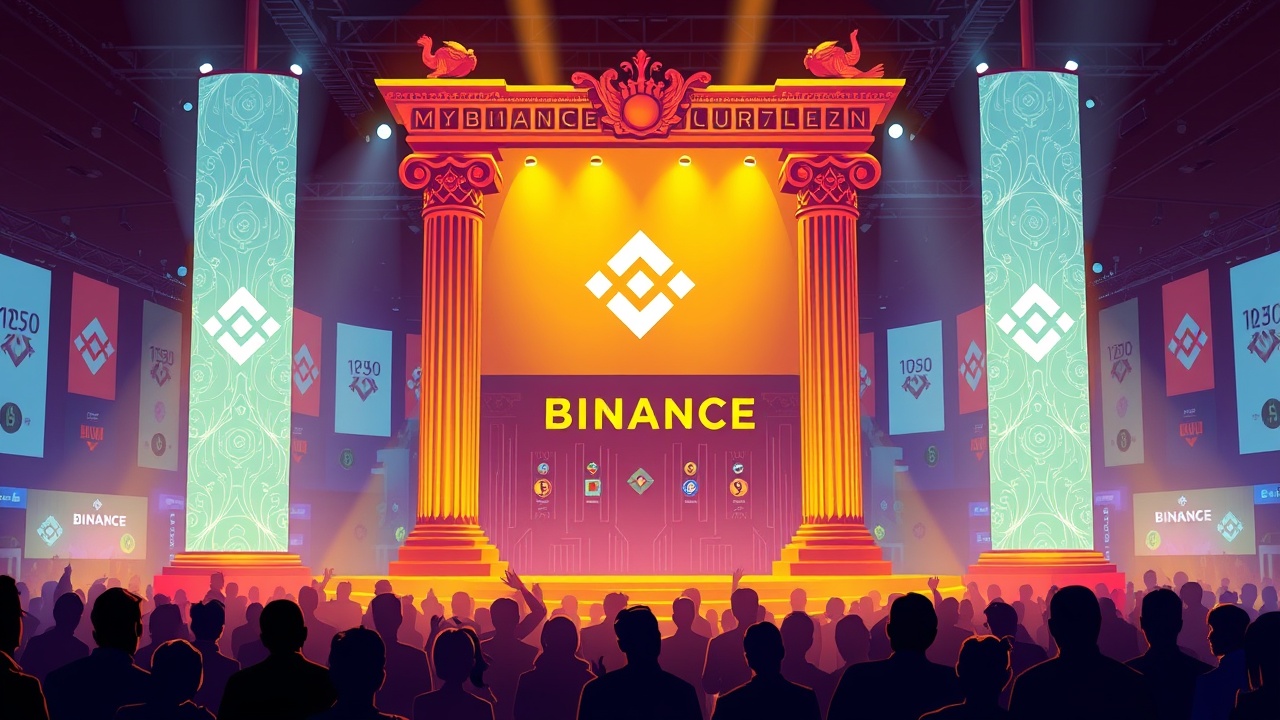
At the recent Binance Blockchain Week, a panel discussion hosted by CryptoNews delved into the burgeoning world of stablecoins, highlighting their integration in various economic activities like retail use, international transactions, and institutional frameworks. Among the expert speakers were notable figures such as Sam Elfarra from Tron DAO, Marcelo Sacomori representing Braza Bank, and Daniel Lee from Banking Circle.
The Rise of Stablecoins
Stablecoins have emerged as a pivotal element within the digital asset landscape, with the moderator pointing to a remarkable increase in issuance and the number of wallets—up by approximately 50%—and a daily trading volume outpacing that of Visa. The dialogue centered on the practical applications of stablecoins, their reliability in turbulent markets, the rise of bank-issued digital currencies, and the infrastructure necessary for effective tokenized settlements.
Insights from Industry Experts
Marcelo Sacomori provided insights into Brazil’s advantageous regulatory environment as it pertains to stablecoins, detailing Braza Bank’s issuance of tokens tied to the Brazilian real and the US dollar, motivated primarily by foreign exchange demands and corporate transactional needs. He emphasized the importance of maintaining transparent reserves, conducting independent audits, and ensuring liquidity to bolster trust among consumers. According to Sacomori, Brazil’s clarity in regulations has effectively spurred both institutional involvement and consumer confidence.
“Once you experience the convenience of stablecoin transactions, reverting to traditional methods seems unlikely. In two years, stablecoins will transcend their current niche status,” he predicted.
Daniel Lee from Banking Circle elaborated on the necessity of a tokenized settlement system that allows for nearly instantaneous transfers, asserting that the scalability of real-world tokenized assets hinges on this infrastructure. He also differentiated between tokenized deposits and stablecoins capable of being transferred like cash, while highlighting the European Union’s frameworks for electronic money tokens as facilitating regulated, bankruptcy-proof systems that are ideal for financial institutions.
Sam Elfarra offered a perspective on the robust growth in various regions, including Latin America, Africa, Southeast Asia, and the Middle East, where users are increasingly drawn to the affordability, reliability, and stability offered by dollar-pegged stablecoins. He noted that Tron has managed to maintain high transactional throughput even amidst market fluctuations due to its resilience and operational capacity.
Conclusion
In conclusion, participants agreed that stablecoins have shifted from being experimental to becoming a foundational aspect of the global financial system, likely transforming the future of monetary transactions and the settlement of tokenized assets altogether.