Regulatory Shift in the Philippines
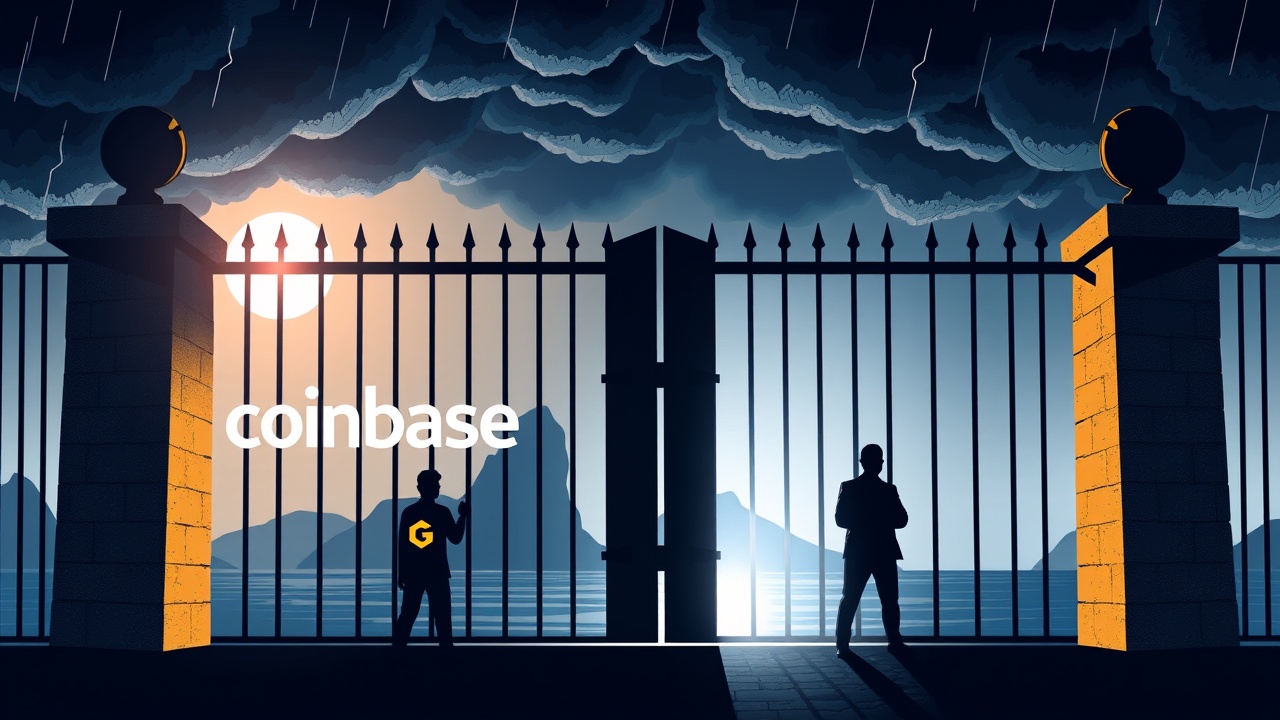
In a significant regulatory shift, authorities in the Philippines are taking firmer action against unauthorized cryptocurrency exchanges, marking a new phase in the management of digital asset markets. The National Telecommunications Commission (NTC) has begun instructing internet service providers across the nation to restrict access to prominent global platforms such as Coinbase and Gemini, resulting in widespread inaccessibility for users as of December 24, 2025.
New Compliance Requirements
The enforcement actions highlight a shift towards a system where regulatory compliance is a prerequisite for market participation in the Philippines. As a result, the landscape for cryptocurrency users is becoming increasingly regulated, with officials urging operators to obtain the necessary licenses before they can offer their services.
Targeted Exchanges
According to reports from the Manila Bulletin, the NTC targeted a list of 50 trading platforms that have been flagged by the Bangko Sentral ng Pilipinas (BSP) for lacking the appropriate authorizations. However, the complete list of the implicated exchanges has not been made public, leaving the broader implications for the market open to interpretation by stakeholders.
Government Clampdown
The latest restrictions are part of a broader trend where the Philippine government is intensifying its clampdown on unlicensed crypto activities. This follows previous actions against Binance, where regulators had previously granted a 90-day compliance period in late 2023, advising users to withdraw their funds if the platform could not meet regulatory standards. Subsequently, Binance was ordered to be blocked by the ISPs in March 2024, and in April of that same year, the NTC mandated the removal of its app from major app stores.
Opportunities for Compliant Firms
Despite the heightened enforcement for non-compliant platforms, firms that adhere to licensing requirements are finding opportunities for expansion. For instance, regulated exchange PDAX entered into a partnership with payroll provider Toku in November 2024, allowing remote employees to receive their salaries in stablecoins with seamless conversions to local currency. Similarly, GoTyme digital bank partnered with Alpaca in December 2024 to introduce nine different cryptocurrencies to its banking application.
Conclusion
This dual approach—tightening restrictions on unlicensed performers while fostering innovation among compliant businesses—demonstrates the Philippine government’s strategic emphasis on regulatory oversight in the cryptocurrency sector. As authorities move to uphold financial integrity and protect consumers, it is clear that only those platforms willing to comply with local laws will thrive in this evolving landscape.