Poland’s Struggle with Cryptocurrency Regulation
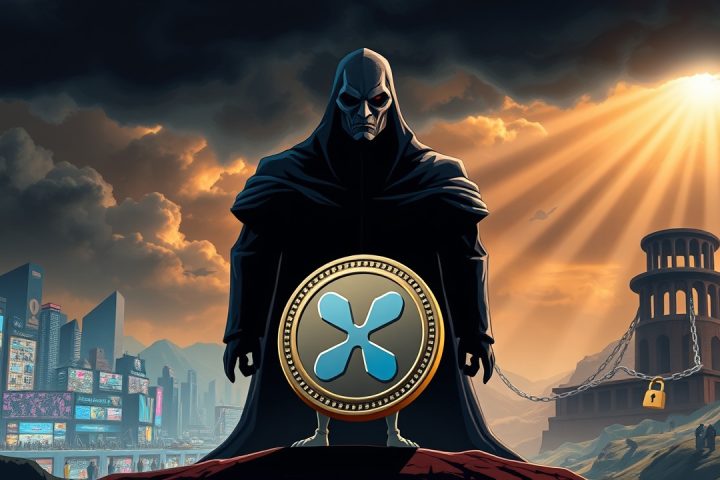
Poland continues to lag behind its EU counterparts in establishing a framework for cryptocurrency regulation, having failed once again to override President Nawrocki’s veto on proposed legislation. During a recent vote held on September 4, 2026, the Sejm was unable to secure the required three-fifths majority, falling short by 25 votes. This leaves Poland as the only member state of the European Union without a local licensing system in place for cryptocurrency service providers, resulting in approximately 2,000 firms entering a state of regulatory limbo.
Legislative Challenges and Political Stalemate
Over the past several months, the country has faced significant legislative challenges surrounding the Markets in Crypto-Assets Regulation (MiCA), with multiple bills and vetoes creating a political stalemate. Each version of the proposed law has been met with objections from President Nawrocki, who suggests that the bill imposes undue burdens on small firms while failing to adequately address potential fraud risks.
The proposed Act on Crypto-Asset Markets aimed to align with EU regulations, establishing regulations for licenses, enforcement, and consumer protections. Under the legislation, any entity wishing to operate a crypto service in Poland would need to obtain a license from the Polish Financial Supervision Authority (KNF). This framework would parallel existing systems in neighboring countries like Germany and France, which successfully began issuing MiCA licenses in late 2025. However, the KNF remains unable to grant these licenses due to the lack of enacted legislation.
Impact of MiCA and Regulatory Environment
As the transitional period for MiCA ended on July 1, 2026, any European business providing crypto services must now be licensed by their home regulator. Poland’s inability to create an effective regulatory environment forces its firms to look outside the country for licensing opportunities—many are now applying for licenses in countries like Lithuania and Latvia, which have more favorable regulatory environments. These movements threaten to shift jobs and resources away from Poland, complicating the nation’s position within the competitive European digital asset market.
The Zondacrypto Scandal and Urgent Need for Regulation
The ongoing crisis is exacerbated by the fallout of the Zondacrypto scandal, where the collapse of what was once the largest crypto exchange in the region left thousands of Polish customers with substantial financial losses. Investigations into this collapse have put significant pressure on the government and have underscored the urgent need for a coherent regulatory framework for cryptocurrencies.
Future Implications for Polish Firms
Industry experts and political analysts are closely watching the situation as the Sejm grapples with potential solutions. With significant economic implications tied to the crypto sector and a growing trend of Polish firms looking abroad for regulatory compliance, the country faces pressing questions regarding its future in the digital asset landscape. If Polish firms are unable to secure local licenses, they may either have to cease operations that serve the EU market or navigate a potentially lengthy and costly licensing process in other member states.
Conclusion: The Stakes for Poland’s Crypto Landscape
The Sejm’s recent override vote results—241 in favor, 198 against, and three abstentions—illustrate the increasing frustration among policymakers and industry players alike. Analysts assert that Nawrocki’s vetoes, which emphasized concerns about small business hardships and fraud prevention, do not account for the pressing need for regulation that aligns Poland with its EU partners.
As the debate continues, the stakes for Poland’s crypto landscape grow higher, with clear implications for innovation, consumer protection, and the broader economy. It remains to be seen how lawmakers will address the president’s concerns while also ensuring Polish businesses can participate fully in the evolving landscape of cryptocurrency regulation in Europe.