Escalating Threat from North Korean Hackers
A recent report from Chainalysis highlights the escalating threat posed by hackers from North Korea, also referred to as the Democratic People’s Republic of Korea (DPRK), who have pilfered an astonishing $2.02 billion in cryptocurrencies within the first months of 2025. This figure marks a staggering 51% increase compared to the previous year and sets a new record for illicit crypto thefts attributed to DPRK actors.
Impact on the Cryptocurrency Sector
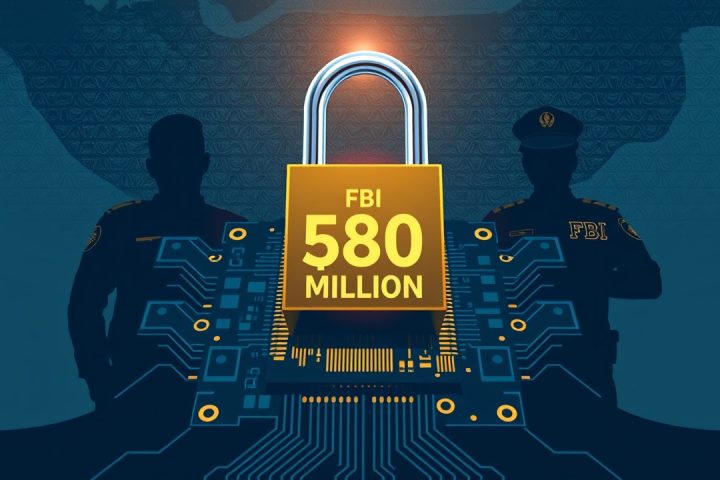
Overall, the cryptocurrency sector is reeling from thefts totaling $3.4 billion this year, with DPRK-related activities accounting for an alarming 59% of this total. The report suggests a significant transformation in North Korean tactics, indicating that while the frequency of attacks may have decreased, their severity and impact have markedly intensified. A prime example is the February attack on Bybit, linked to North Korean operatives, which resulted in a massive loss of $1.5 billion.
“This evolution necessitates heightened awareness around vulnerable high-value targets and better monitoring of North Korean money laundering practices,” the report explains.
It points out that North Korean hackers have particular preferences for specific services and transaction sizes, which can help investigators trace their distinct patterns and behaviors on the blockchain.
Unique Laundering Techniques
Chainalysis has identified a unique laundering technique used by these threat actors, which follows a three-wave, 45-day cycle. This process often involves accessing Chinese-language services, leveraging cross-chain asset transfers to obscure tracking efforts, and employing crypto mixing services to hide their tracks—behaviors that have remained consistent over time. However, Chainalysis did not disclose how exactly they attribute these attacks to the DPRK as opposed to other malicious groups.
Contracting Cybercriminals
Moreover, a growing trend reveals that these cybercriminals are increasingly being contracted by cryptocurrency firms, wherein they gain unauthorized access to steal sensitive data or assets. As reported by Binance earlier in the summer, North Korean hackers are known to apply for jobs at major exchanges daily, using sophisticated tools such as AI-generated video conferencing and voice alteration technologies to appear legitimate. Binance’s chief security officer, Jimmy Su, highlighted that they’ve recognized various indicators of these DPRK hackers and actively share this intelligence with other exchanges through secure channels like Telegram and Signal.
Risks for Developers
Additionally, it’s been uncovered that North Korean hackers have been compromising NPM packages—frequently utilized public code libraries—further heightening the risks for developers in the space. Binance acknowledged the hazard this poses, stating that its developers now meticulously vet every code library to shield against such infiltrations.
Future Challenges
The Chainalysis report firmly emphasizes that as North Korea continues to leverage crypto theft for its state objectives and to evade international sanctions, the cryptocurrency industry must recognize that these adversaries employ differing tactics from conventional cybercriminals. The DPRK’s record-breaking activities in 2025—achieved with a 74% reduction in recognized attacks—suggest that we may only be witnessing the tip of the iceberg in their operations.
Looking ahead, the challenge for 2026 will be to detect and hinder these high-stakes operations proactively, preventing another incident on the scale of the Bybit attack from occurring.