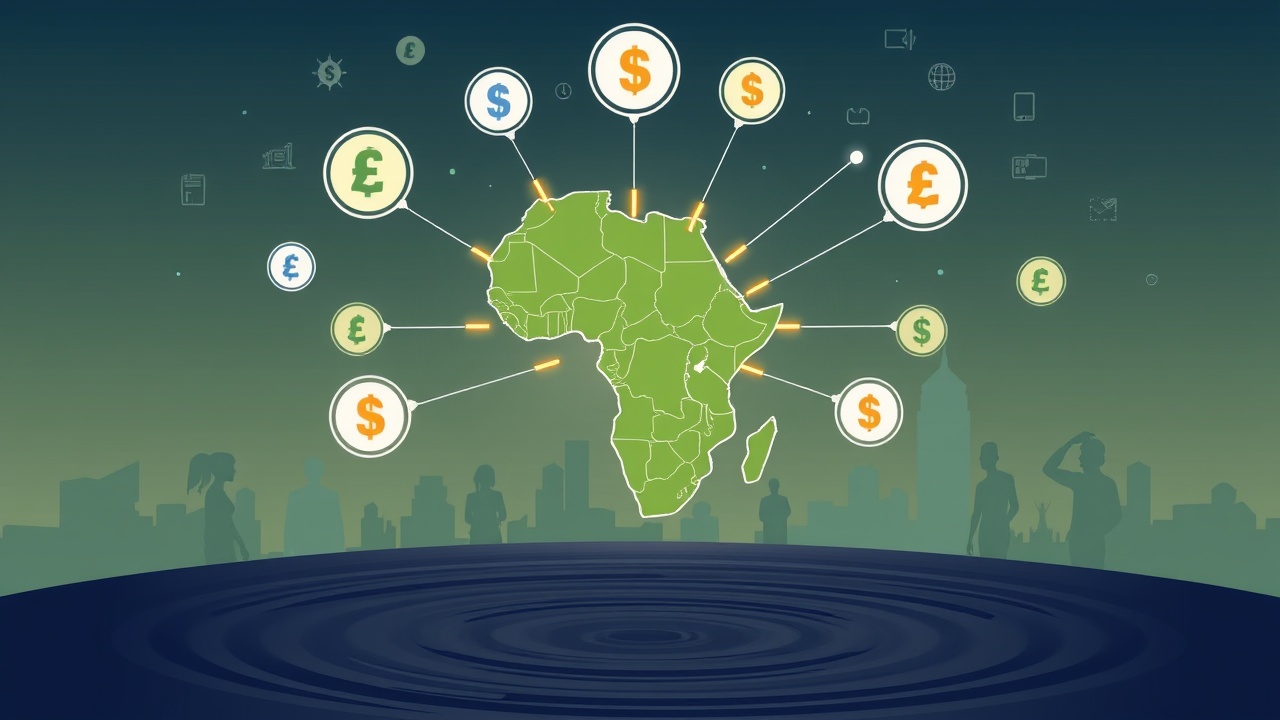
Stablecoin Adoption in Africa
Reece Merrick, the Managing Director for Ripple Labs in the Middle East and Africa, has highlighted that Africa is at the forefront of global stablecoin adoption. During a recent webinar focused on stablecoins and their impact on the region’s digital infrastructure, Merrick shared insights with local industry leaders regarding the transformative potential of these digital currencies.
Current Adoption Rates and Uses
Merrick noted that Africa boasts an impressive 9.3% adoption rate for stablecoins, particularly in cross-border transactions, which are crucial for enhancing trade and promoting financial inclusion across the continent.
In Africa, many individuals leverage stablecoins primarily for international remittances, sending money to family members living abroad. These digital currencies are also favored by locals as a safeguard against depreciating national currencies due to their stability, as they are often pegged to the value of the U.S. dollar. Additionally, traders involved in cross-border commerce utilize stablecoins to streamline payments for goods and services, eliminating the necessity for USD bank accounts when settling accounts with international suppliers.
Benefits of Stablecoins
Merrick emphasized the importance of stablecoins as practical payment solutions, claiming they enable faster and cost-effective remittance options and trade settlements. According to him, this growing adoption illustrates Africa’s pioneering role in providing real-world applications of blockchain technology, already solving critical issues related to international trade and financial accessibility.
Future Growth and Partnerships
Identifying Africa as a pivotal market for growth in stablecoin use, Merrick expressed confidence in the ongoing increase in adoption rates. He explained that Ripple’s own stablecoin, the Ripple USD (RLUSD), is readily available and affordable for the African population, supporting transactions efficiently. Partnerships with local firms such as Chipper Cash, Yellow Card, and VALR have been established to enhance stablecoin utility within the region.
Regulatory Commitment and Central Bank Engagement
Merrick indicated that Ripple is committed to promoting regulatory transparency and oversight to facilitate institutional acceptance of stablecoins for payment processes. Furthermore, he noted a shift in central banks’ engagement with cryptocurrency innovators to better grasp the crypto landscape, alleviating previous concerns regarding the potential for stablecoins to be misused for illicit activities.
Impact of the Diaspora
The Ripple USD’s success is significantly bolstered by the substantial remittances sent back to Africa by its significant diaspora, who utilize RLUSD alongside other popular stablecoins like Tether (USDT) and Circle’s USDC. In addition to its focus on Africa, Ripple has expanded its collaboration portfolio by working with Zand, a bank based in the UAE, to support the development of its own stablecoin, AEDZ, while integrating RLUSD into Zand’s operations as well.