Ripple Advocates for FDIC Insurance on Stablecoin Reserves
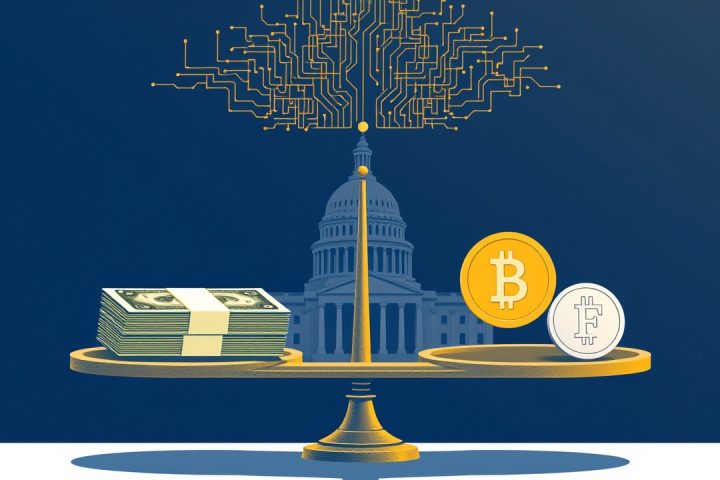
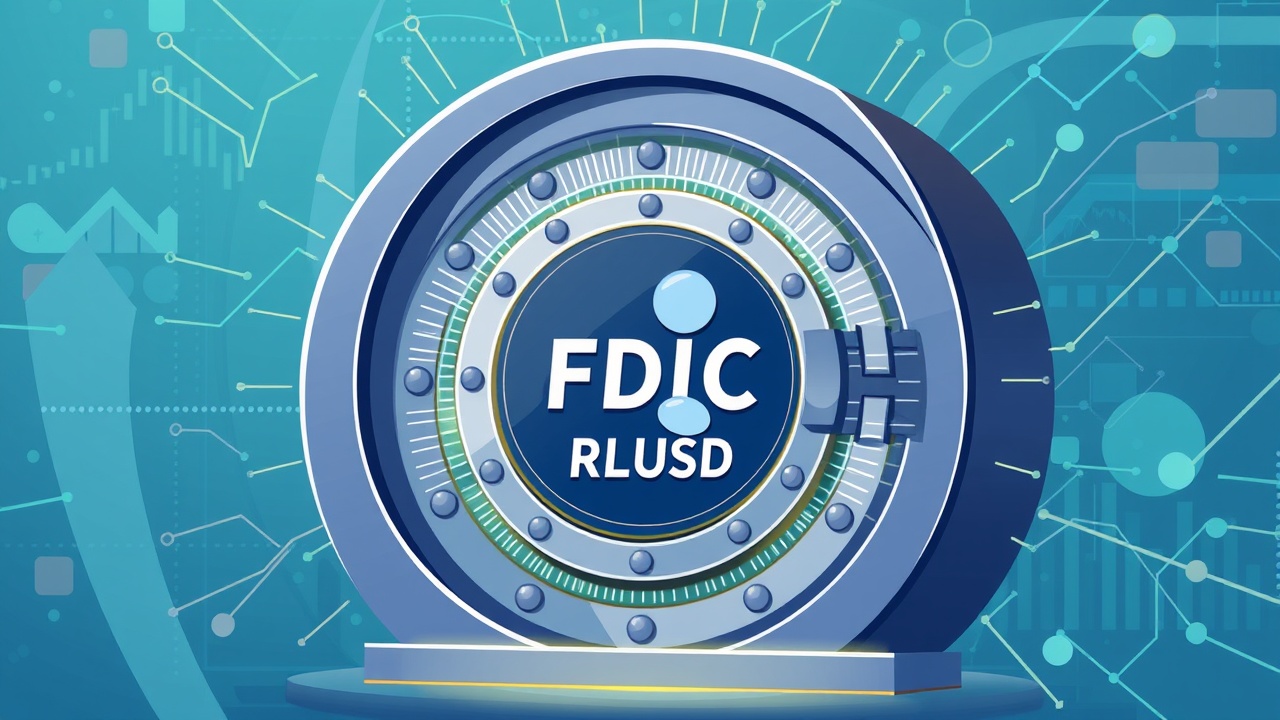
In a strategic move to enhance trust in its stablecoin, RLUSD, Ripple is advocating for the implementation of pass-through Federal Deposit Insurance Corporation (FDIC) insurance on qualifying reserve deposits. This initiative is articulated in a letter sent to the FDIC on June 9, 2026, concerning the proposed GENIUS Act.
Strengthening Financial Protections
Ripple posits that providing insurance coverage for stablecoin reserves could significantly fortify protections for financial institutions while simultaneously diminishing counterparty risks. This proposal directly tackles a major obstacle that has hindered institutional adoption of stablecoins: the need for assurance regarding the safety of reserve funds.
Ripple believes that by ensuring FDIC-backed reserves, banks, payment service providers, corporate treasuries, and asset managers would gain more confidence that the financial assets backing RLUSD are secure, even in scenarios involving bank insolvency. Such a safeguard could have considerable ramifications for RLUSD, which is designed for enterprise use.
Implications for Adoption and Liquidity
Enhanced reserve protection could increase its appeal for various applications, including payments, liquidity management, and international transactions. Furthermore, cultivating institutional trust in RLUSD could lead to a surge in adoption rates, deeper liquidity sources, and heightened demand within the XRP Ledger ecosystem.
This initiative fits seamlessly into Ripple’s overarching goal to bridge traditional finance with blockchain technology. By improving the security of reserves, RLUSD stands to provide the advantages of digital assets while ensuring the familiar protective measures prevalent in conventional banking.
Challenges and Future Prospects
Ripple’s request to the FDIC arises from current limitations within the GENIUS Act, which currently does not permit pass-through insurance for stablecoin holders, leading to apprehension from regulators that such coverage could be beyond the scope of existing legal frameworks. This highlights Ripple’s dedication to promoting institutional engagement with its products.
Should Ripple’s proposal succeed, it could secure RLUSD a position as one of the most appealing stablecoins for institutions, significantly influencing the future landscape of global payments and digital finance.