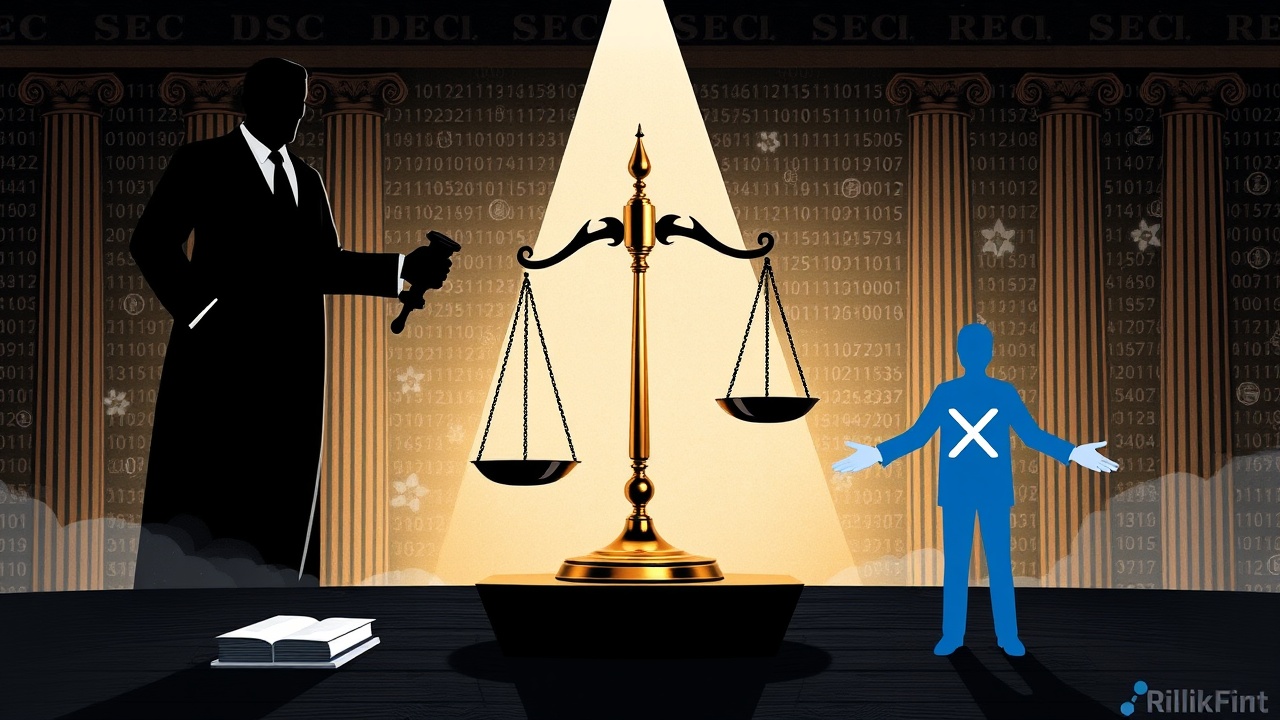
The Legal Saga of Ripple Labs and the SEC
The legal saga involving Ripple Labs and the U.S. Securities and Exchange Commission (SEC) continues to draw attention as it approaches its sixth anniversary. This landmark case began in December 2020 when the SEC accused Ripple of unlawfully raising funds through the sale of XRP, arguing that the cryptocurrency should have been registered as a security under federal law.
Pivotal Moments in the Case
A pivotal moment occurred in July 2023 when Judge Analisa Torres ruled that XRP itself does not qualify as a security. This significant decision was celebrated by many in the cryptocurrency sector, as it assured that XRP holders were not implicated in securities violations. Judge Torres emphasized that the case did not involve any allegations of fraudulent activity and rejected the SEC’s demand for Ripple to return $125 million in profits from these sales.
Resolution and Regulatory Clarification
The contentious lawsuit reached a resolution in 2025, where Ripple agreed to pay $125 million—considerably less than the nearly $2 billion the SEC had initially sought. Fast forward to 2026, the SEC provided much-anticipated clarification on which digital assets are regarded as securities, representing a critical move to define regulatory boundaries in the swiftly evolving cryptocurrency market.
Insights from Former SEC Official
Recently, Marc Fagel, a former official with the SEC, addressed a question raised on social media regarding the absence of attempts by former SEC Chair Gary Gensler to engage with retail investors concerning Ripple. Users asked why there were no efforts made to convert XRP into equity for those investors. In response, Fagel pointed out that the SEC lacks the authority to mandate a company to issue equity and reaffirmed that retail investors had always been free to trade XRP without limitation.
New Guidelines and Industry Implications
Additionally, the SEC’s new guidelines suggest that the majority of cryptocurrency assets do not qualify as securities, a change considered vital by the crypto industry which has long grappled with the classification and regulatory requirements different from traditional commodities. Fagel commented on the guidance, acknowledging its value but indicating that it may not legally resolve all issues. He stressed the importance of Congressional action, stating that while guidance is beneficial, enforceable laws take precedence over advisory opinions.