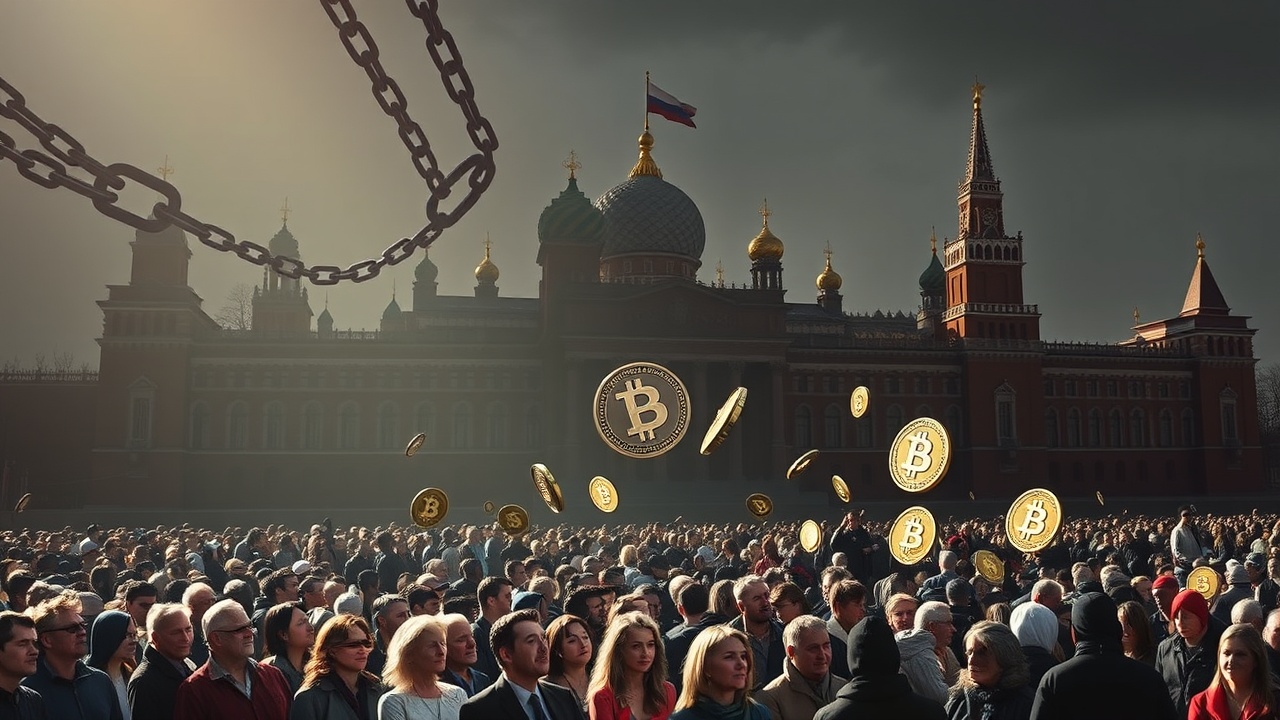
Regulating the Cryptocurrency Market in Russia
In a significant move to regulate the cryptocurrency market, the Russian government has greenlighted a series of draft laws aimed at directing domestic crypto trading through officially licensed intermediaries while placing restrictions on retail investors. The initiative, announced by the Finance Ministry, is designed to legitimize the crypto trading landscape in Russia, emphasizing the necessity for participants to engage only with regulated entities.
New Legal Framework for Investors
The new legal framework is set to maintain some access for non-qualified investors, albeit in a limited capacity, while expanding opportunities for qualified investors. Specifically, retail investors will only be allowed to trade in a select group of highly liquid digital currencies, as defined by the Bank of Russia. Additionally, they must pass a qualifying exam to engage in trading and are capped at purchasing up to 300,000 rubles per annum via a single regulated intermediary.
Foreign Transactions and Compliance
While domestic trading will face these constraints, individuals will still have the option to acquire cryptocurrencies through foreign exchanges. However, all foreign transactions must be declared to tax authorities to ensure compliance.
Licensing and Regulatory Standards
The legislative package also revises certain existing laws and introduces modifications to the nation’s administrative offenses code. Under the proposed regulations, entities engaged in crypto-related activities—including exchanges and custodians—will be mandated to secure licenses under a newly proposed regulatory framework. Additionally, banks and brokerage firms will be permitted to initiate crypto operations, provided they adhere to specific regulatory standards.
Enforcement and Future Legislation
To ensure adherence, the framework will impose administrative penalties for violations by those involved in trading activities, seeking to suppress unregulated operations within the crypto market. This initiative is part of a broader effort by Russian regulators to bring various aspects of the digital asset sector under comprehensive supervision. Concurrently, there have been indications that the Finance Ministry is working on additional legislation to establish a formal regulatory structure for digital assets linked to conventional fiat currencies.