Russia’s New Digital Asset Regulation
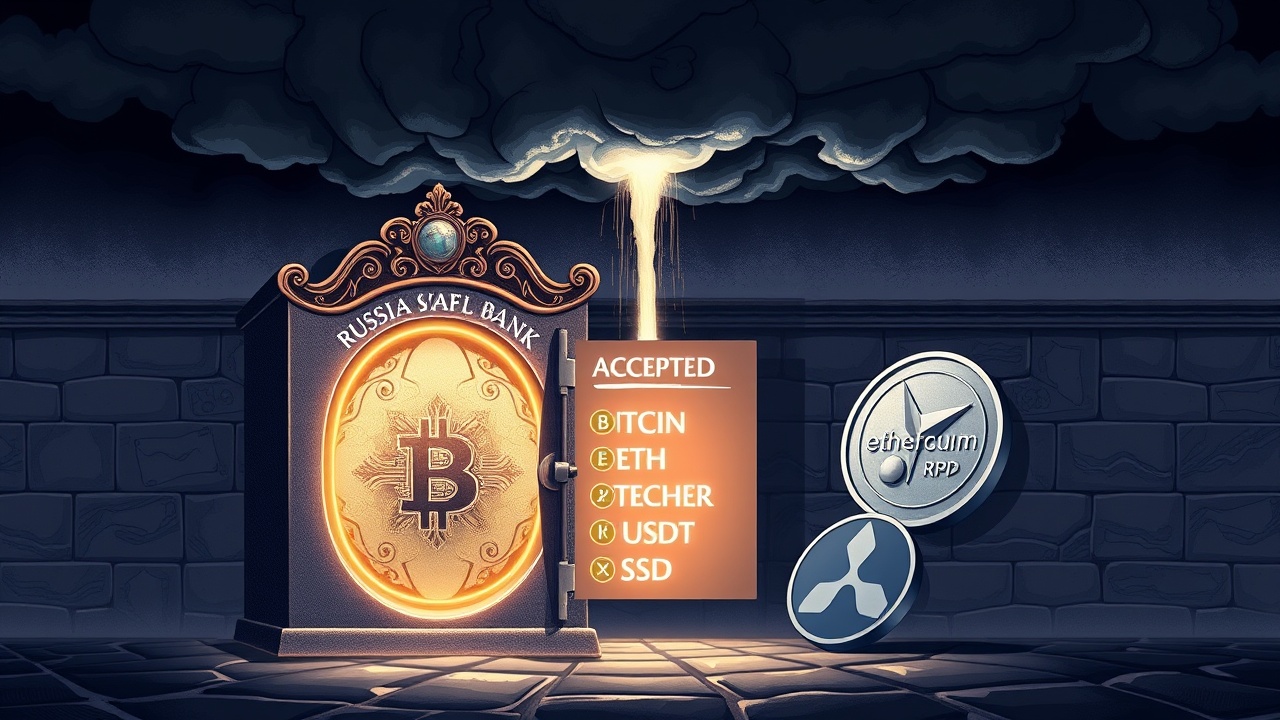
In a strategic move regarding its new digital asset regulation, Russia’s central bank has decided to limit the availability of cryptocurrencies for retail investors to only Bitcoin, Ethereum, and USDT, excluding XRP, which has been gaining traction in the nation’s financial ecosystem. This decision comes as part of the implementation of the “Digital Currency and Digital Rights” law, which has recently successfully passed its first reading in the State Duma and is set to take effect on July 1, 2026.
Regulatory Framework and Limitations
Vladimir Chistyukhin, First Deputy Chairman of the Bank of Russia, emphasized that the institution considers digital currencies to be highly volatile and risky, opting to keep retail exposure to cryptocurrencies limited during this stage of market maturation. Presently, the framework allows only for three types of cryptocurrencies, firmly stating that no expansions to this list are anticipated at the time of the law’s launch.
Interestingly, earlier discussions had entertained the idea of including a broader range of digital currencies and domestic stablecoins in the initial offerings, but Chistyukhin confirmed that they will not be included immediately. The annual investment limit for professional participants remains at 300,000 rubles (approximately $4,000), a measure intended to protect retail investors from significant financial losses. In fact, many retail investors’ accounts currently average under this threshold, suggesting that the limit is more than adequate for their protection.
Concerns and Future Developments
Concerns surrounding stablecoins were raised by Chistyukhin, who noted the risks associated with USDT—mainly its vulnerability to being frozen or blocked, yet retained approval for its liquidity and market prevalence. Retail investors will have no direct access to digital assets like XRP, Solana, and Cardano during the initial regulation phase but will eventually gain access to these products, albeit only as qualified investors.
Despite its exclusion from the list for retail trading, XRP has not been sidelined entirely. The Moscow Exchange has adopted the MOEXXRP index, a benchmark designed to streamline XRP-related products for institutional traders and also launched ruble-settled XRP futures, facilitating qualified investors’ exposure to XRP within Russia.
This development illustrates XRP’s growing role within the operational frameworks of Russian financial markets.
Guidelines for Trading Digital Currencies
Looking forward, the draft law aims to establish thorough guidelines for trading digital currencies while designating involved parties such as exchanges, brokers, and management companies under its regulatory purview. Notably, both professional and non-qualified investors will be mandated to undergo knowledge assessments prior to engaging in digital asset transactions, ensuring a regulated entry to the market with investor protections in place.
Additionally, Deputy Finance Minister Ivan Chebeskov is advocating for the inclusion of stablecoins from jurisdictions friendly to Russia, mentioning those linked to the ruble created outside the country, particularly in Kyrgyzstan. Moreover, at least one Russian enterprise has developed a token intended for international transactions, demonstrating a budding innovation in the field that officials will scrutinize before potentially broadening the list of approved assets.