SEC Chair Endorses Efficient Disclosure Standards
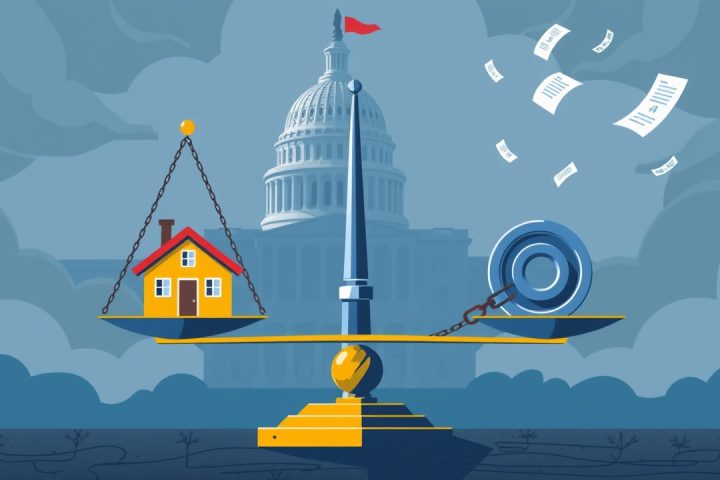
The Chair of the U.S. Securities and Exchange Commission (SEC), Paul S. Atkins, recently expressed his endorsement for more efficient disclosure standards and limited trials involving equity tokenization during a speech at the SEC’s Investor Advisory Committee gathering. He emphasized the need for a regulatory approach that minimizes unnecessary disclosure, advocating for what he termed a “minimum effective dose” methodology. This strategy focuses on ensuring regulations are primarily centered around essential information, customized to the size and specific needs of companies.
Proposed Changes to the JOBS Act
Atkins also suggested extending the provisions of the JOBS Act, particularly the “IPO on-ramp”, to provide small and mid-sized enterprises with a more gradual transition into public markets through enhanced reporting flexibility, thereby encouraging more companies to pursue public offerings.
Critique of Corporate Governance Practices
In a critical perspective on corporate governance, Atkins objected to the SEC’s reliance on “comply or explain” disclosure rules, considering them a method of “shaming regulation” that nudges firms into adopting certain governance practices due to external pressures rather than legal mandates. He asserted that governance matters—such as decisions about board composition and ESG metrics—ought to be left to the discretion of shareholders and directors, free from the influences of dictated disclosure requirements.
Exploring Tokenization
On the topic of tokenization, Atkins adopted an experimental outlook, discussing the potential for transforming equity securities into digital tokens as a means to enhance the efficiency of transactions, diminish settlement risks, and eliminate superfluous intermediaries. He indicated that the SEC is exploring a potential “innovation exemption mechanism” that would permit limited trading of certain tokenized securities through carefully designed pilot programs. This could pave the way for these tokenized equity initiatives to proceed under regulated conditions while a comprehensive regulatory structure is developed.
Conclusion
Atkins’ remarks signal that while the SEC is not poised to overhaul securities legislation for tokenization, it is open to offering specific exemptions that could facilitate the advancement of regulated, decentralized equity settlements.