Introduction
In a groundbreaking move for the financial sector, the Securities and Exchange Commission (SEC) has sanctioned the Depository Trust Company (DTCC) to embark on an innovative pilot program. This initiative allows DTCC, which is responsible for clearing the majority of U.S. stock transactions, to experiment with recording certain securities on designated blockchain networks over a trial period of three years. This development marks a significant milestone as it is the first instance of using a blockchain-based system for recordkeeping at such a foundational level of the American financial infrastructure.
SEC Approval and Pilot Program Details
The SEC’s approval came through a No-Action Letter issued on Thursday, indicating that the regulatory body will refrain from enforcement actions against the DTCC if it proceeds to create and eliminate blockchain-based tokens that symbolize security entitlements currently under its custody. Essentially, this means that starting in the latter half of next year, the DTCC can mint and retire tokens that will accurately represent the securities it manages.
To facilitate this pilot program, certain regulatory requirements have been relaxed. Notably, this includes exemptions from the SEC’s usual specifications regarding market infrastructure security and reliability, as well as the requirements for 19b-4 filings and specific standards for clearing agencies. Utilizing blockchain technology, the DTCC expressed its ambition to connect traditional finance (TradFi) with decentralized finance (DeFi) to enhance the robustness, inclusivity, and efficiency of the global financial system, according to their statement on social media platform X.
Tokenization Process and Reporting
Participating entities within the DTCC will have the option to convert their conventional book-entry holdings into blockchain-based “tokenized entitlements.” As part of the program’s framework, DTCC is required to deliver quarterly reports that will detail various metrics, including the number of participants, the value of the tokenized entitlements, information about the blockchains utilized or discarded, any outages experienced, and the count of registered wallets. Securities eligible for this pilot include components of the Russell 1000 index, U.S. Treasury bonds, and leading exchange-traded funds (ETFs) that track major market indices.
The tokenization process involves the DTCC debiting securities from its centralized ledger, transferring them into a newly created digital omnibus account, and then minting a corresponding token into a blockchain wallet that is under the control of the participant. This service is expected to simplify reconciliation needs and permit entitlement transfers at any time outside the typical market hours while still adhering to the necessary safety protocols for the nation’s securities infrastructure.
Blockchain Compliance and Security
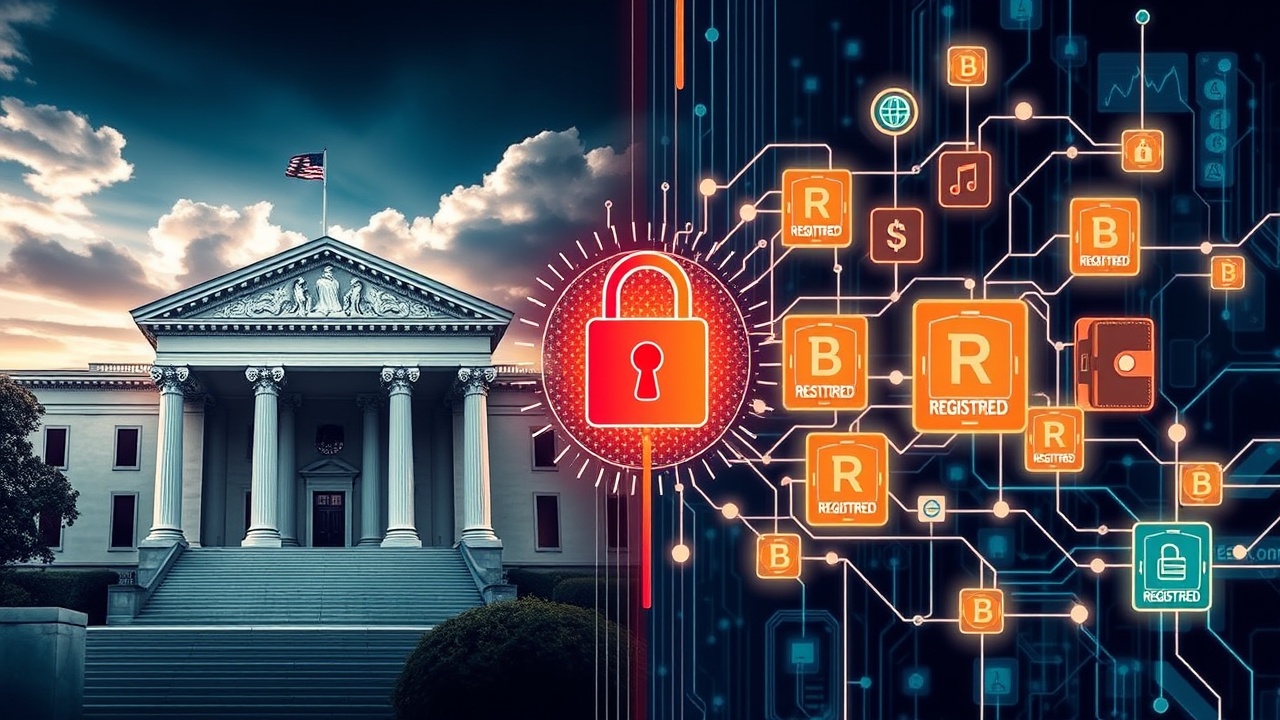
These tokens can be kept on either public or private blockchains that comply with DTCC’s technology requirements. Despite being on open ledgers, the system ensures a permissioned environment: tokens can only be exchanged between wallets that are “registered” with the DTCC. Additionally, the DTCC maintains a “root wallet” that grants the ability to reverse or rectify transactions in the case of errors or misconduct. The company has stated that it will soon disclose a list of the supported blockchain networks, further clarifying that the regulatory framework pertains to its custodial duties rather than dictating a specific blockchain format. DTCC representatives have yet to comment on this aspect of the pilot initiative.