Introduction
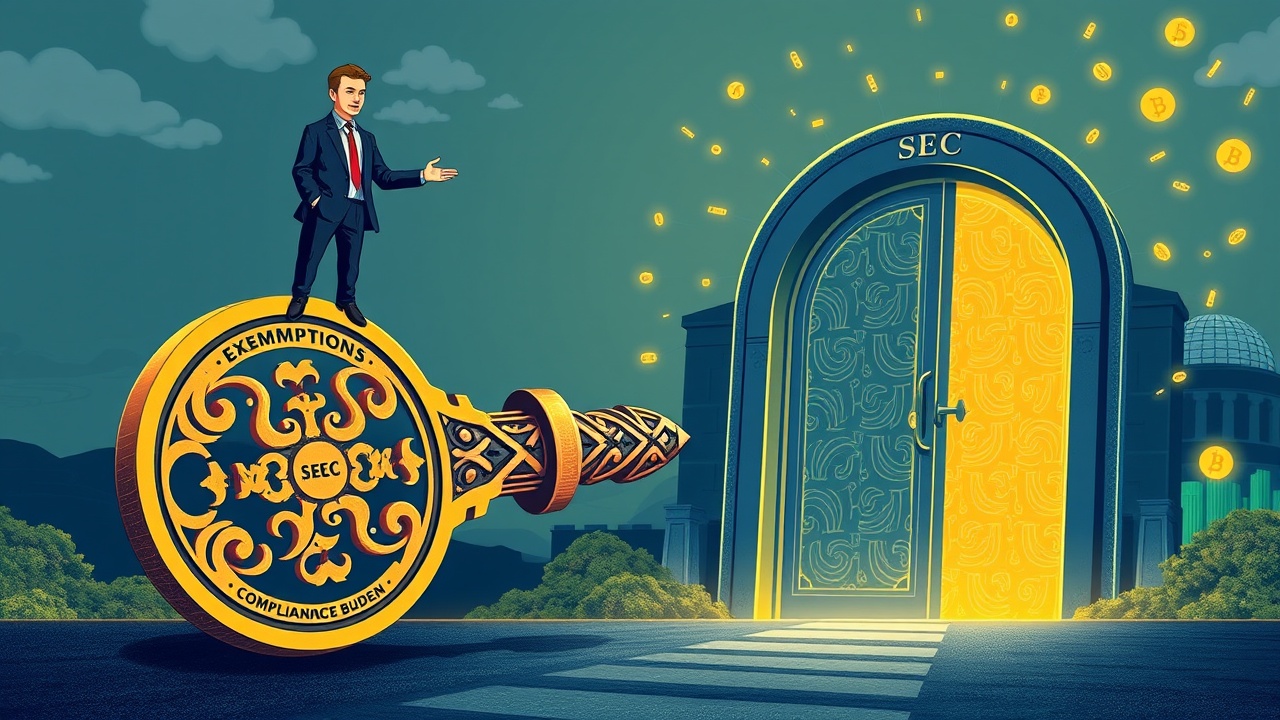
In a bid to alleviate regulatory constraints on cryptocurrency businesses while maintaining federal oversight, Paul Atkins, the Chair of the U.S. Securities and Exchange Commission (SEC), has unveiled a new framework dubbed the “safe harbor” initiative. Delivered during his remarks at the DC Blockchain Summit in Washington, Atkins emphasized the potential for this framework to create tailored pathways for innovators in the cryptocurrency sector to secure funding in the United States while ensuring adequate protections for investors.
Background
This concept is not new, as SEC Commissioner Hester Peirce has previously championed similar safe harbor solutions, advocating for a more customized regulatory approach that allows crypto initiatives time to mature before falling under full securities regulations.
Key Proposals
Atkins detailed a specific proposal aimed at nascent projects, which he termed a “fit-for-purpose startup exemption”. This would permit cryptocurrency developers to raise a limited sum of capital without undergoing the extensive process of securities registration, thus delaying compliance demands temporarily. He referred to this exemption as providing a “regulatory runway,” enabling projects to establish their networks more effectively prior to being fully subjected to compliance checks.
To qualify for this exemption, companies would be required to make “principles-based disclosures” via public channels, resonant with the industry’s common practice of sharing white papers and technical updates.
Additionally, Atkins put forth a “fundraising exemption” designed for more mature projects, allowing them to access capital up to $75 million within a year, necessitating structured disclosures that include financial statements.
Investment Contract Safe Harbor
One crucial aspect of Atkins’ proposal is the “investment contract safe harbor.” This initiative seeks to clarify when tokens are no longer classified as securities, indicating that such a safe harbor could be applied when issuers complete or discontinue all major managerial responsibilities initially promised under investment contracts. This provision aims to enhance clarity regarding the classification of tokens as projects evolve toward decentralized frameworks.
Future Outlook
Looking ahead, Atkins noted that the SEC will soon release draft regulations for public comment, although he emphasized that only Congress can ensure these regulations remain relevant and protective through enduring market structure legislation. His statements coincided with a joint interpretation released by the SEC and the Commodity Futures Trading Commission on the categorization of crypto assets within U.S. law.
Notably, Atkins highlighted that only one category of crypto assets is currently subject to securities legislation, specifically “traditional securities that are tokenized.” Additionally, the SEC is seeking public input on proposed adjustments to Rule 15c2-11, which would restrict reporting requirements for broker-dealers in over-the-counter markets to equity securities, thereby addressing concerns that this rule could inadvertently cover crypto assets.